
A Norman classic from the Channel port of Dieppe: poached fillets of sole napped in a white-wine cream sauce and garnished 'à la dieppoise' with mussels, peeled shrimp and button mushrooms. The mussels are steamed open in white wine, their liquor strained into the poaching stock so the whole sauce tastes of the sea. It is a richer, more maritime cousin of the white-wine fish dishes, and distinct from the soupy mussel-and-fish stew Marmite Dieppoise from the same town.
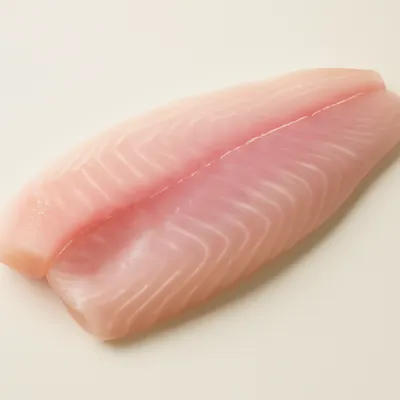

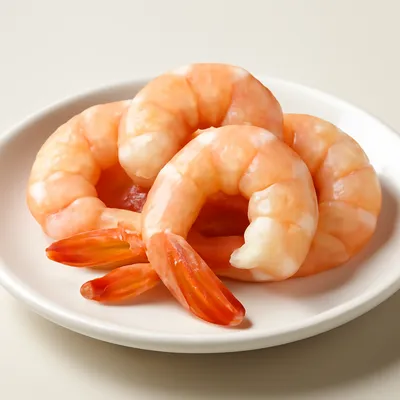

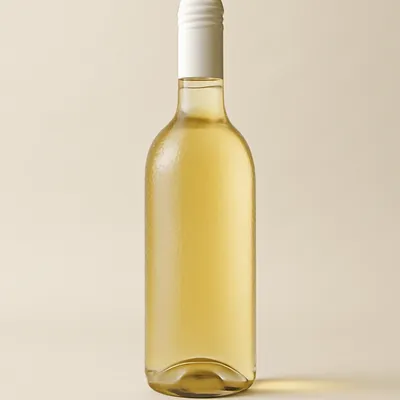

The 'à la dieppoise' garnish — mussels, shrimp, mushrooms and a white-wine cream sauce — is named for Dieppe in Normandy, one of France's historic fishing and oyster ports, and codified in the classical repertoire and in Escoffier's Le Guide Culinaire (1903). It reflects the Norman larder: Channel shellfish bound with the region's cream. The garnish is applied to sole most famously, but also to other poached white fish. It should not be confused with the marmite dieppoise, a substantial fish-and-shellfish soup-stew that is a separate Dieppe dish.
Silky sole under a pale, glossy cream sauce, crowded with orange shrimp, plump golden mussels and ivory mushroom caps. Each shellfish brings its own salt and sweetness; the sauce is rich but lifted by the white wine and the briny mussel liquor. The fish is barely set, the garnish warm. Bread or steamed potato takes the sauce. A sauce that tastes only of cream, not the sea, means the mussel liquor was not used.
The dish is layered, not stewed. Mussels are steamed open separately in white wine and shallot; that briny liquor is strained and becomes the backbone of the sauce, carrying the dish's maritime depth. The sole is poached gently in fish stock and wine; the combined liquor is reduced and bound with cream (and often a velouté or egg-yolk liaison) into a sauce vin blanc. Shrimp and pre-cooked mushrooms are warmed in the finished sauce, never boiled, so the shellfish stays tender. Each element is cooked to its own point, then assembled.
Variations
The same 'à la dieppoise' garnish dresses other poached white fish, brill or whiting among them. Some kitchens add a little of the mushroom cooking liquor for body, or finish with an egg-yolk liaison for a silkier glaze. The garnish can also be served in vol-au-vent cases. The hearty marmite dieppoise treats the same Channel ingredients as a soup-stew instead.
On the Palate
Where Sole Dieppoise sits in the French flavor cloud
Ingredients
Serves 4


How it's made
7 steps · 50 min active + 10 min waiting
- 112 min
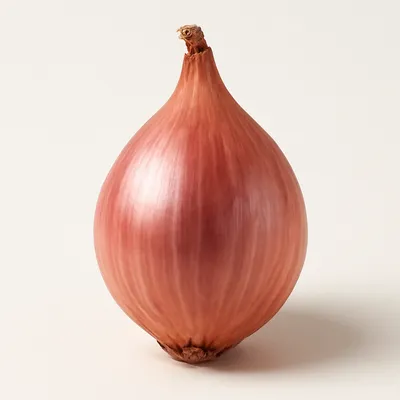
Steam the cleaned mussels open in white wine with chopped shallot; shell most of them and strain and reserve the liquor.
- 26 min
Fold the seasoned sole fillets into a buttered pan; add fish stock, the mussel liquor and a little wine to barely cover.
- 38 min
Poach the sole gently until just set; lift out and keep warm with the shellfish garnish.
Watch outPoach the sole only until it just sets, then lift it out — leave it in the hot liquor and the delicate fillet overcooks and breaks.
- 48 min
Reduce the combined poaching liquor hard until concentrated.
- 56 min
Bind into a sauce with cream and, if using, an egg-yolk liaison; check the seasoning.
- 64 min
Warm the peeled shrimp, mussels and pre-cooked mushrooms in the sauce without boiling.
Watch outWarm the shrimp and mussels in the sauce without boiling — a boil toughens the already-cooked shellfish to rubber.
- 76 min
Coat the fillets with the sauce, arrange the garnish over them, and glaze briefly under the grill.
Archive tool suggestions — not reviewed
These legacy suggestions have not been evidence-reviewed and are not presented as required tools.


