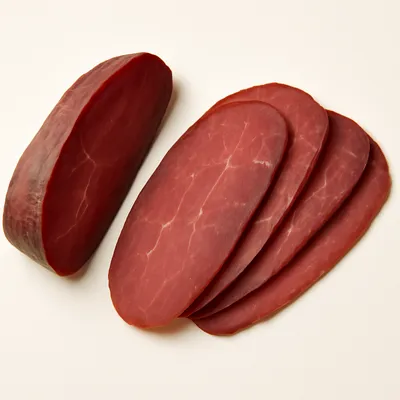
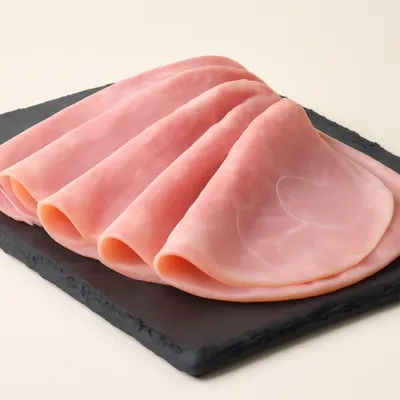
An Alpine communal meal built around raclette, a washed-rind, semi-firm cow's-milk cheese from Savoie and Haute-Savoie. A half-wheel is set cut-face toward a heat source, and as the surface softens it is scraped (French racler, to scrape) straight onto a plate over potatoes boiled in their skins. The French Savoyard table rounds it out with charcuterie — dried beef, cured ham, saucisson — and a dish of cornichons and pickled pearl onions to cut the richness, with a glass of Savoie white alongside. The modern home version uses a table-top electric grill with little pans, so each diner melts their own.




Melting cheese at the fire is an old herders' habit in the Alps: a Sion apothecary recorded Valais shepherds going up to the high pastures to eat melted cheese as early as 1574. The name comes into common use only in the 1870s — the Swiss writer Eugène Rambert praised the dish in 1874, and a recipe in the Sion paper Le Villageois uses the noun raclette from 1875. The cheese exists on both sides of the border as two distinct products: the Swiss Raclette du Valais is a protected-origin cheese (registered 2007), while the French Raclette de Savoie won a Protected Geographical Indication (IGP) on 27 January 2017. The table-top electric grills that made it a household meal date to the 1950s. Charcuterie is a French addition to the spread; the older Valais service was cheese, potatoes and pickles alone.
The scraped cheese comes off in a hot, stretchy, faintly browned sheet and drapes over the potato, smelling of warm milk and the washed rind's gentle funk. It should be molten and supple, not oily or rubbery — pull it too far past melting and the fat weeps out and the curd turns to elastic. The boiled potato is starchy and bland by design, a soft bed for the cheese; the cornichon and pickled onion snap in with sharp acidity, and a slice of dried beef adds salt and chew. Each round is eaten the moment it is scraped, before it stiffens.
Raclette is a washed-rind, pressed, uncooked cow's-milk cheese ripened only a few months, so it keeps enough moisture and an intact calcium-protein structure to melt into a smooth, flowing mass rather than separating. It runs best at roughly 60 to 70°C: hot enough that the fat and the protein network soften together and the cheese flows, but not so hot that the proteins tighten, squeeze out the fat, and turn the melt greasy. The cut face is held close to radiant heat so only the surface melts while the body of the wheel stays firm and can be scraped clean; the brushed, brine-washed rind contributes the savoury, slightly pungent aroma.
Variations
The cross-border cousin is the Swiss Valais service, traditionally cheese, potatoes and pickles without charcuterie, eaten with Fendant wine. The German-Swiss name for the roasted-cheese practice is Bratchäs, literally roasted cheese. At home the dish splits into the open-fire or vertical-element half-wheel for a crowd and the small-pan electric grill where each diner melts a slice; cooks vary the spread with mushrooms, cured sausages and regional dried hams. Tartiflette and fondue savoyarde are the other great Savoyard cheese dishes built on the same mountain larder.
On the Palate
Where Raclette Savoyarde sits in the French flavor cloud
Keep the heat gentle — raclette flows smooth at about 60–70°C but turns greasy and grainy if you push it hotter; hold only the cut face to the heat so the surface melts to a molten sheet while the wheel behind stays firm enough to scrape clean.
Ingredients
Serves 6

How it's made
7 steps · 20 min
- 125 min
Boil unpeeled waxy potatoes in salted water until just tender, and keep them warm.
- 25 min
Arrange the charcuterie on a board and set out bowls of cornichons and pickled pearl onions.
- 35 min
Set a half-wheel of raclette with its cut face toward the heat of a raclette fire or vertical grill, or heat the small pans of a table-top electric grill.
- 44 min
Let the exposed face of the cheese soften and bubble until molten but not browned hard, about a few minutes.
Watch outThe face is ready when it softens, bubbles gently and glistens molten — pull it before it browns hard or skins over.
- 52 min
Scrape the melted layer straight onto a warm plate over a split potato, one portion per diner.
Watch outScrape fast, straight onto the hot potato — the cheese starts to set the second it leaves the heat.
- 65 min
Eat at once with the potatoes, charcuterie and pickles, then return the wheel to the heat for the next round.
- 72 min
Grind black pepper over the cheese and pour a chilled Savoie white to serve.
Archive tool suggestions — not reviewed
These legacy suggestions have not been evidence-reviewed and are not presented as required tools.