A rectangular puff-pastry parcel filled with marinated pork-and-veal mince (white wine, shallots, parsley, thyme) — eaten warm, not cold; bakery staple of Meurthe-et-Moselle.


Pâté lorrain is the oldest documented specialty of Lorraine: it appears in Taillevent's Viandier (c.1392-1396) as 'petits pâtés lorrains', and was originally a refined feast/pig-slaughter-season dish before becoming an everyday bakery staple in Meurthe-et-Moselle and the Vosges — bakeries used wood-oven residual heat after the morning bread bake to slow-bake savoury pastries. The dish is distinct from pâté en croûte (cold, aspic-set, sliced) and from quiche lorraine (custard tart) — pâté lorrain is hot, dry, and uses no aspic or custard. The 1903 cookbook Cuisine Lorraine by Pierre Mainbourg fixed the modern proportions, and the Pâté Lorrain artisan label was created by Lorraine bakers in the 1990s to defend against industrial mince-meat versions.
Bakery item that crystallized in 18th-19th-century Meurthe-et-Moselle and Vosges, using wood-oven residual heat after the morning bread bake. Distinct from pâté en croûte (cold, aspic-set) and quiche lorraine. Hand-diced 5mm cubes are non-negotiable — ground meat releases too much liquid and the pastry goes soggy. 12-hour wine marinade.
Cross-section: a 3cm rectangle of dark-flecked cubed meat — visibly diced, not pasted — bordered by 5mm of layered amber pastry. The pastry shatters; juice runs onto the plate; the meat is moist with flecks of green parsley and translucent shallot. Pork sweetness, veal restraint, wine acidity in the back. Warm, the fat is liquid and lubricates each bite; cold, the same dish becomes leaden. Bakeries reheat at 8 a.m. for the lunch trade for exactly this reason.
The hand-diced meat is structurally non-negotiable. Ground meat releases too much liquid during baking, soaking the bottom pastry into a soggy slab and producing a uniform pasty filling that loses the contrast between pork, veal, and herbs. Diced 5mm cubes hold their juice inside each piece until cut on the plate, keeping the pastry crisp and the texture readable. The 12-hour wine marinade is also functional — wine acid lightly denatures surface proteins, helping the meat hold cohesion as a log without pasty binders.
Variations
Maison Adam in Baccarat (the Vosges benchmark since 1924); Maison Daniel in Lunéville; the rougher fermier-style version in farmhouses around Épinal; Pâté Lorrain artisan label (1990s) defends against industrial mince versions.
On the Palate
Where Pâté Lorrain sits in the French flavor cloud
Ingredients
Serves 6



How it's made
5 steps · 50 min active + 11 hours 10 min waiting
- 115 min
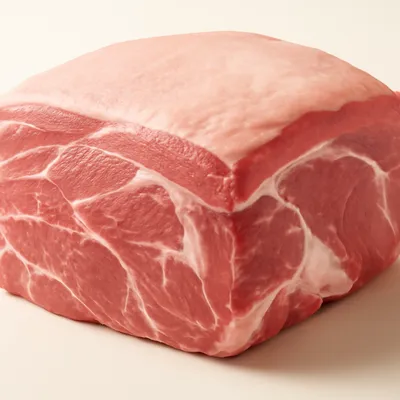
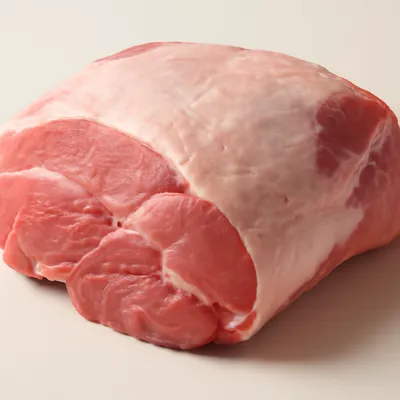
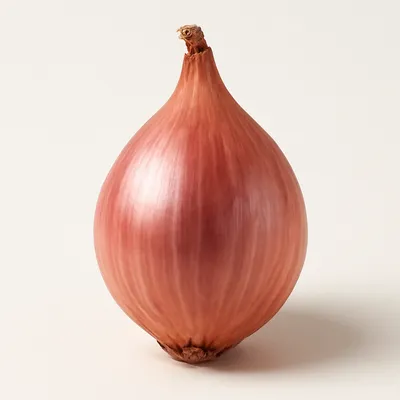
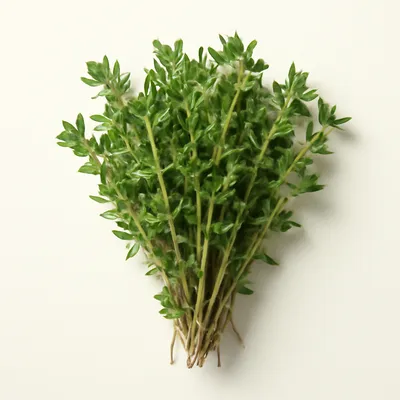
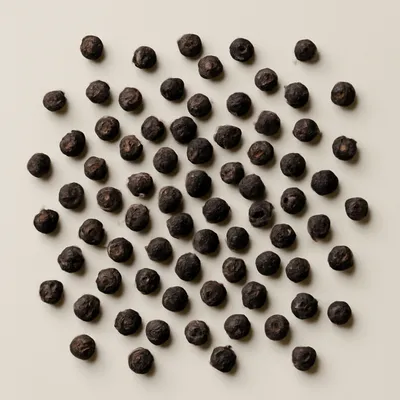
Marinate the day before: combine 250g pork shoulder + 250g veal shoulder, both diced 5mm (NOT ground — coarse hand-cut is the Lorraine texture), with 200ml dry Riesling, 2 minced shallots, 3 tbsp chopped parsley, 1 tsp thyme leaves, 1 minced garlic clove, 8g salt, 3g pepper, pinch of nutmeg. Cover and refrigerate 12 hours.
Watch outDice the meat by hand into 5mm cubes — never grind it; ground meat weeps liquid and sogs the pastry, the coarse cut keeps its juice inside each piece.
- 25 min
Drain the meat well — reserve the marinade. Discard most of the wine; the meat keeps the herbs and shallots clinging.
Watch outDrain the meat well and tip out most of the wine — only the herbs and shallots should cling; extra liquid steams the pastry from within.
- 310 min
Roll 500g all-butter puff pastry to 3mm. Cut a base rectangle 12x25cm and a top rectangle 14x27cm (the lid is bigger). Place the meat in a tight log down the centre of the base, leaving 2cm border. Egg-wash the border.
- 48 min
Drape the larger top rectangle over, tuck under the base edges, crimp tightly with fork tines or a pinched seal. Cut two 1cm steam vents in the top. Egg-wash all over. Score parallel diagonal lines for decoration.
Watch outMake sure to cut steam vents to prevent the pastry from bursting.
- 550 min
Bake at 200°C for 35-40 minutes — pastry deeply golden, internal meat 72°C. Rest 10 minutes. Slice with a serrated knife in 3cm thick portions; some juice will run — that's Lorraine, not a defect. Serve warm.
Watch outPull it at deep golden with the centre at 72 degrees; some juice running when you slice is Lorraine done right, not a leak.
Archive tool suggestions — not reviewed
These legacy suggestions have not been evidence-reviewed and are not presented as required tools.