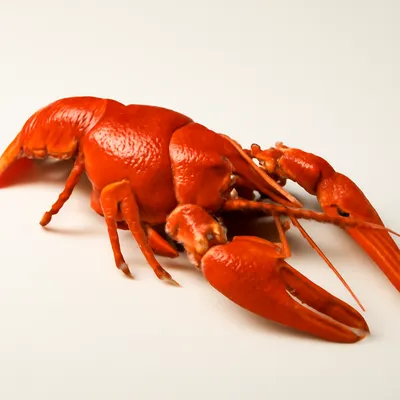
Codified in 19th-century Lyon, where the Saône-Rhône confluence supplied pike (brochet) and crayfish in quantity, and the city's bouchon culture turned river-fish quenelles into a Lyonnais identity dish. The version with sauce Nantua was named after the town of Nantua in the eastern Bugey region, where freshwater crayfish bisque was a local specialty; the pairing was set in restaurant menus by the 1880s.
Codified in 19th-century Lyon with pike from the Saône-Rhône confluence; the sauce Nantua pairing came from the Bugey crayfish town and was menu-fixed by the 1880s.
Two long ovals of pike-fish mousse, almost cloud-light, sitting in a pool of sauce Nantua — pink-orange crayfish bisque enriched with butter. The quenelle gives way under a fork like a soufflé that hasn't fallen, and absorbs sauce as it sits. Faintly sweet from the freshwater fish, faintly iodine from the crayfish. Heavy or rubbery quenelles mean too much flour or not enough whipping; the texture is the entire point.
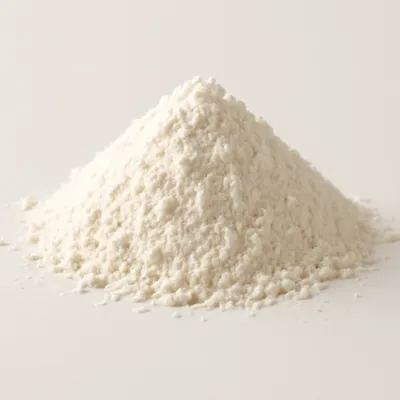
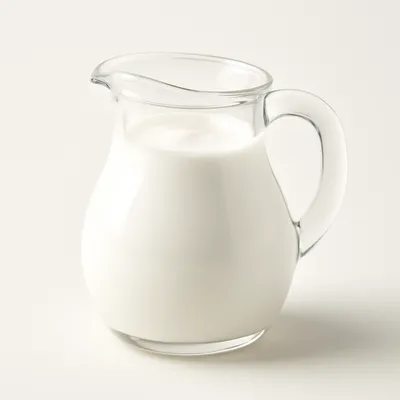
The panade — a paste of milk, butter, flour, and egg cooked together before the pike is folded in — is what holds the quenelle. Without it the fish mousse won't poach without breaking. The ratio is ruthless: too much panade and the quenelle goes pasty, too little and it collapses in the simmering water. Lyonnais cooks weigh, never eyeball.
Variations
Quenelles de volaille (chicken) appear at La Mère Brazier; Giraudet of Bourg-en-Bresse runs the industrial benchmark; semolina-bound 'quenelle de semoule' is the Sunday family format that skips the panade entirely.
On the Palate
Where Quenelles de Brochet sits in the French flavor cloud
Nail the panade-to-pike ratio by weight, not eye — too much and the quenelle turns pasty, too little and it disintegrates the moment it hits the simmering water.
Ingredients




How it's made
5 steps · 37 min
- 15 min
Begin by preparing the panade. In a saucepan, melt butter over medium heat, then add flour, stirring continuously until it forms a paste. Gradually incorporate milk, stirring until the mixture thickens and pulls away from the sides, about 5 minutes.
Watch outThe paste is ready when it balls up and pulls cleanly off the pan sides, leaving a thin film — that's the flour fully cooked.
- 210 min
Transfer the panade to a bowl and let it cool slightly. Mix in the pike fish, which has been finely processed into a paste, along with eggs, salt, pepper, and a pinch of nutmeg. Blend until smooth and well combined.
- 37 min
Shape the mixture into quenelles using two spoons, forming oval shapes. Poach them gently in simmering water until they float to the surface, about 5-7 minutes.
Watch outDone when they bob up and float — a quenelle that's still sinking hasn't set inside yet.
- 410 min
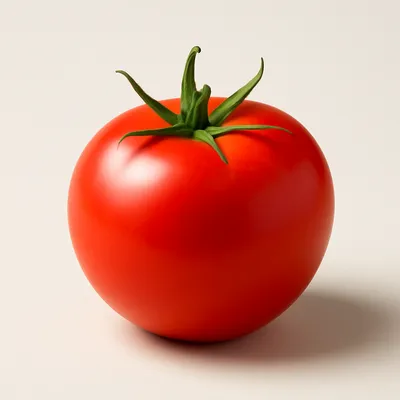
In a separate saucepan, prepare the sauce. Melt butter and add chopped crayfish and tomato, cooking until the crayfish is pink and fragrant. Stir in heavy cream, reducing until the sauce is slightly thickened, about 10 minutes.
Watch outThe crayfish shells flush deep coral and smell sweet-toasty — that color is your cue the sauce has its flavor.
- 55 min
Serve the quenelles hot, draped with the crayfish cream sauce, and garnish with a sprinkle of freshly ground black pepper.
Archive tool suggestions — not reviewed
These legacy suggestions have not been evidence-reviewed and are not presented as required tools.