




The Croque Monsieur appeared on the menu of Café Bel Âge on Boulevard des Capucines in Paris in 1910 — a quick sandwich for late-arriving theatre crowds. The Madame variant, topped with a fried egg, came later (often dated to the 1960s). The egg is the only difference, and the name's gendered logic is folk etymology: the rounded yolk reads as a woman's hat. Brasserie staple, rarely homemade in France — usually eaten with a green salad and a glass of Sancerre.
Paris café 1910s — a croque monsieur with a fried egg on top (the 'madame's hat'). Béchamel inside, gruyère gratinéed on top, jambon de Paris between. The egg yolk is the sauce.
Knife through the egg first — yolk floods over the cheese crust into the béchamel below. The bread is crisp on the outside, soaked-soft in the middle from the white sauce; the ham is salty against the nutty melted Gruyère. Hot, rich, faintly sweet from the milk reduction, with the runny yolk doing the work of a sauce. Best eaten with a fork and knife within five minutes — the yolk firms and the bread sogs past that point.
Béchamel inside AND out is the structural trick: inside it bonds bread to ham and ham to cheese during the bake, preventing the slip-and-slide of a dry sandwich; outside it shields the crust and lets the top cheese gratiner without scorching the bread. Pain de mie matters — its tight crumb absorbs the sauce without falling apart. A baguette-based croque is structurally wrong; the open crumb soaks through and tears.
Variations
Croque monsieur skips the egg; croque norvégien uses smoked salmon instead of ham; croque tartiflette adds reblochon and potato (Savoie tweak); croque provençal swaps in tomato and tapenade.
On the Palate
Where Croque Madame sits in the French flavor cloud
Ingredients
Serves 2

How it's made
5 steps · 20 min active + 5 min waiting
- 18 min
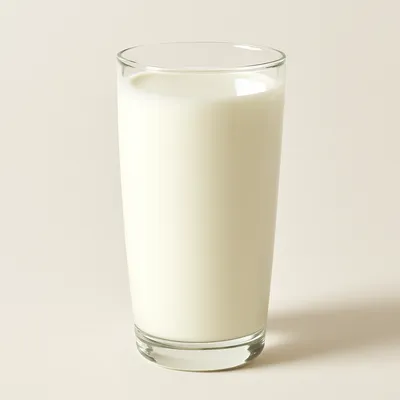
Make béchamel: melt 30g butter, whisk in 30g flour, cook 1 minute. Slowly whisk in 300ml warm whole milk. Simmer 5 minutes until thick. Season with salt, white pepper, grated nutmeg.
Watch outWhisk the milk in slowly and simmer until it coats the back of a spoon — too thin and it runs out of the sandwich in the oven.
- 23 min
Lightly toast 4 slices of pain de mie (1.5cm thick) in a dry pan until pale gold on one side only.
Watch outWatch closely to avoid burning, as the toast can go from pale to dark quickly.
- 33 min
Spread béchamel on the toasted side of two slices. Layer 80g sliced jambon de Paris and 60g grated Gruyère. Top with the other slices, toasted side down.
- 48 min
Spread more béchamel on the top of each sandwich. Pile 40g grated Gruyère on top. Bake at 220°C for 8 minutes until cheese is blistered and brown at the edges.
Watch outPull it when the top cheese is blistered and just browning at the edges — the béchamel coat is what keeps the bread from scorching underneath.
- 53 min
Fry 2 eggs sunny-side in 15g butter — whites just set, yolks runny (3 minutes). Slide one onto each sandwich. Finish with cracked black pepper.
Watch outSet the whites but keep the yolk loose and runny — it's the sauce that cuts through the rich cheese.
Archive tool suggestions — not reviewed
These legacy suggestions have not been evidence-reviewed and are not presented as required tools.


