A thick Savoyard pancake of grated potato bound with a flour-egg-milk batter and fried in a heavy pan until deep gold and crusted on both faces. Matafan (also matefaim, matafam) is a whole family of Alpine peasant pancakes found across the Franco-Provençal lands; the Savoyard one is the substantial potato form, often studded with lardons and sometimes a little cheese. The name is from "mate-faim" — "hunger-killer" — and that is exactly the role it played: a cheap, filling slab eaten by farm workers to hold them until the next meal. It is served hot, cut into wedges, on its own or with a green salad and charcuterie.





Matafan is an old peasant pancake of the Franco-Provençal-speaking regions of eastern France — Savoie, Dauphiné, Bresse, Forez and the Lyonnais — and the name (Francized to matefaim around Lyon and the Loire) is read as "mate la faim," to beat down hunger. The word is far older than the dish in its present form: a recipe titled matafeam appears in the Modus viaticorum preparandorum et salsarum, written in Occitan and Latin around 1380-90, though that medieval version was a spiced affair of chicken, pork, mutton, egg and cheese; "matafanos" is glossed as a thick omelette around 1540, and Rabelais uses matafain in the Tiers Livre of 1546. Because the word predates the potato's arrival in French kitchens, the original matafan was flour-based and the grated-potato Savoyard form is the later, mountain rendering, born where potatoes became a staple crop. It was a workers' and family dish, eaten early before a day in the fields; no single inventor or town claims it.
The crust crackles — a dark-gold, faintly chewy skin where the cut potato starch has caramelized against the hot pan — and inside it is dense, moist and tender, holding together in a single sliceable slab rather than loose shreds. Lardons give salty, smoky pockets; a thread of melted cheese, if used, pulls as you cut. It is honest, starchy and rich, eaten in hearty wedges. The whole point is heft: it sits warm and solid in the stomach, which is how it earned its name.
Two things must happen at once: the batter has to set into a sliceable cake, and the surface has to crust. Egg proteins coagulate around 65-70°C and the wheat and potato starch gelatinizes, knitting the grated shreds into a coherent disc. At the pan face, the exposed potato starch dehydrates and browns past about 150°C through caramelization and the Maillard reaction, giving the dark crust and savory flavor. Squeezing the grated potato dry first matters — surface water cools the pan and steams rather than fries, so dried shreds crisp instead of going soggy. The pancake is cooked thick and slow, often pressed flat with a spatula, so heat reaches the centre before the crust burns; it is flipped once, cooked hard on both faces, and left to firm slightly before cutting.
Variations
The Savoyard potato matafan can be plain, or carry lardons, grated cheese, or chopped herbs. Across the neighbouring Franco-Provençal regions the same name covers a flour-only batter pancake (Bresse, the Lyonnais) and a sweet version raised with a little yeast and folded with sliced apples — eaten at Candlemas, sometimes splashed with génépi. In the Dauphiné and the northern Ardèche a closely related grated-potato cake goes by the name crique, and in the Belgian Ardennes a cousin is called matoufet. The line between a thick savoury crêpe, an omelette and a potato cake is deliberately blurry — every valley fixes the proportions its own way.
On the Palate
Where Matafan Savoyard sits in the French flavor cloud
Ingredients
Serves 4
How it's made
8 steps · 30 min active + 5 min waiting
- 18 min
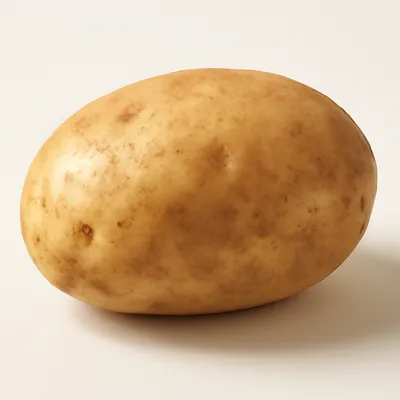
Peel the potatoes and grate them coarsely; squeeze the shreds firmly in a towel to wring out as much water as possible.
Watch outWring the grated potato really hard in the towel until barely any water drips — leftover water cools the pan and steams the shreds soggy instead of letting them crisp.
- 24 min
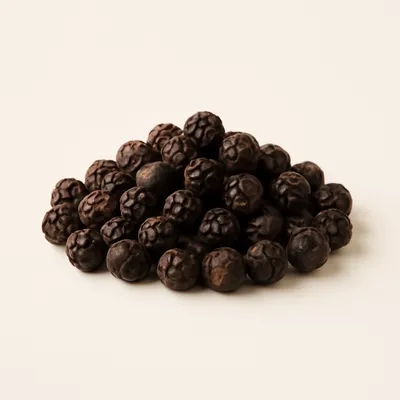
In a bowl, whisk the flour, eggs and milk into a smooth, fairly thick batter and season with salt and pepper.
- 32 min
Stir the dried grated potato into the batter, along with the lardons.
- 42 min
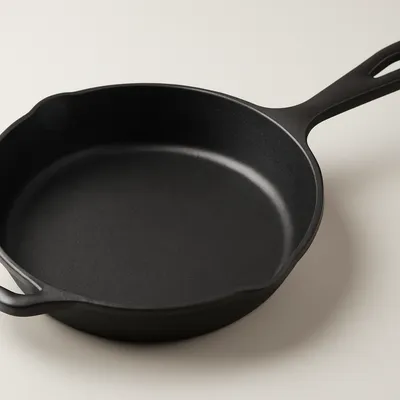
Heat a generous knob of butter or a film of oil in a wide heavy skillet over medium heat until it shimmers.
- 51 min
Pour in the mixture and press it flat with a spatula into an even thick disc that fills the pan.
- 69 min
Fry slowly for 8-10 minutes until the underside is deep golden and crusted, pressing now and then.
Watch outFry slow and don't rush the flip — wait until the underside is deep golden and set into a firm crust, or the cake tears apart when you turn it.
- 71 min
Flip the pancake in one move (slide onto a plate and invert back if needed) and fry the second side another 8-10 minutes.
Watch outFlip in one confident move — hesitate and the half-set disc folds or cracks; if it feels loose, slide it onto a plate and invert it back instead.
- 83 min
Let it firm for a minute off the heat, then cut into wedges and serve hot with a green salad.
Archive tool suggestions — not reviewed
These legacy suggestions have not been evidence-reviewed and are not presented as required tools.