An old Cantal skillet dish of stale bread and fresh tomme cheese: crustless bread is softened in milk or broth, then worked in a buttered pan with garlic and crumbled tomme fraîche until the cheese melts and pulls into long elastic strands through the bread. The mass is pressed and browned so the underside crisps. It is the bread-based ancestor of the truffade and aligot — made when bread, not potato, was the everyday staple of the high Cantal — and comes out rich, stringy and golden.





A traditional dish of the Cantal in the volcanic Auvergne, born in the burons — the stone summer huts of the high pastures where herdsmen made tomme during the season the cattle grazed up the mountain. There, fresh unsalted tomme fraîche and stale bread were both at hand, and the patranque used them up together. It is widely held to be the predecessor of the truffade and aligot, which do the same thing with potato: when the potato spread through the uplands and became the daily staple, it took the bread's place in the skillet. Bread was once the foundation, so the patranque is older in form, if humbler now.
Hot from the pan, it is soft and yielding inside with a crisp, browned underside, and pulls into long melting strings of cheese as you lift it. The flavour is mild and milky from the fresh tomme, savoury with butter and sharpened by garlic, the bread carrying it all and turning rich where it has drunk up the cheese. It is heavy, comforting mountain food, eaten straight from the skillet, on its own or beside cured ham or a green salad to cut the richness.
It works on melted-cheese stretch. Tomme fraîche is fresh, unaged, unsalted curd whose proteins have not yet broken down; gently heated, those proteins soften and align into long elastic strands rather than seizing into rubbery clumps, which is what gives the dish — and its potato cousins truffade and aligot — its characteristic pull. The trick is low, steady heat: too hot and the cheese's fat and protein split, the proteins toughen and weep grease instead of stretching. The bread is softened first so it melds smoothly into the cheese rather than staying dry, and the mass is pressed against the hot pan at the end so the starch and cheese on the underside dehydrate and brown into a crisp crust.
Variations
The bread is usually a stale country loaf, sometimes rye; some moisten it with milk, others with broth or just water, and the amount of garlic and butter varies. A close version browns it more firmly into a cake, others keep it looser and more stringy. Its direct descendants are the truffade — fresh tomme melted through fried potatoes — and the aligot, fresh tomme beaten into mashed potato until ribbon-stretchy; the same Cantal or Laguiole tomme fraîche binds all three. Where tomme fraîche is unavailable, a young unsalted cheese with good melt is substituted, though the flavour shifts.
On the Palate
Where Patranque sits in the French flavor cloud
Ingredients
Serves 4How it's made
8 steps · 25 min active + 15 min waiting
- 15 min
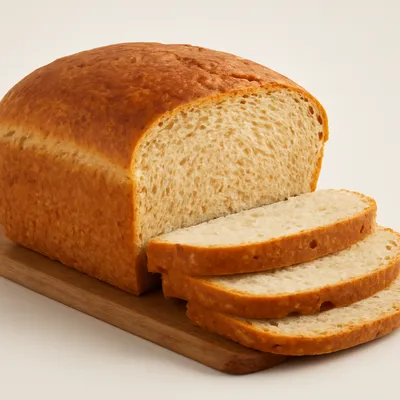
Cut the crusts off stale country bread and break or slice the crumb into pieces.
- 215 min
Moisten the bread with warm milk or broth until softened but not soupy; let it rest, then drain off excess.
- 33 min
Crumble or thinly slice the fresh tomme fraîche.
- 44 min
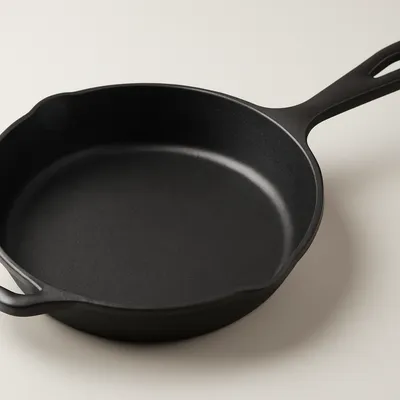
Melt butter in a heavy skillet over low heat and soften the chopped garlic without colouring.
- 52 min
Add the softened bread and spread it over the pan.
- 66 min
Scatter in the tomme and fold gently over low heat until it melts and pulls into strands through the bread.
Watch outKeep the heat low and fold slowly — when it's right the cheese melts and lifts in long stretchy strands through the bread; the second you see grease weeping out and the cheese balling up, it's too hot and splitting.
- 74 min
Press the mass down and let the underside brown into a crisp crust.
Watch outPress it down and leave it be until you smell it toast and the underside lifts off in one browned crisp sheet — poke too early and it tears instead of releasing.
- 81 min
Serve hot straight from the pan, on its own or with cured ham or a green salad.
Archive tool suggestions — not reviewed
These legacy suggestions have not been evidence-reviewed and are not presented as required tools.