



A long-standing specialty of the County of Nice whose earliest reliably documented written recipes date only to the 19th century (the often-cited 9th- and 16th-century origins are not well attested), and named for pissalat — a Niçoise condiment of salt-cured anchovy and sardine fry mashed with herbs — which once was spread directly on the dough before being replaced by whole anchovy fillets in the 19th century. Nice was politically Italian (part of the Kingdom of Sardinia) until 1860, which is why the dish sits halfway between Ligurian focaccia and Provençal flatbread.
Documented in Nice from the 16th century, named for pissalat — a salt-cured anchovy-and-sardine paste once spread on the dough before whole anchovy fillets took over in the 19th century. No tomato, no cheese.
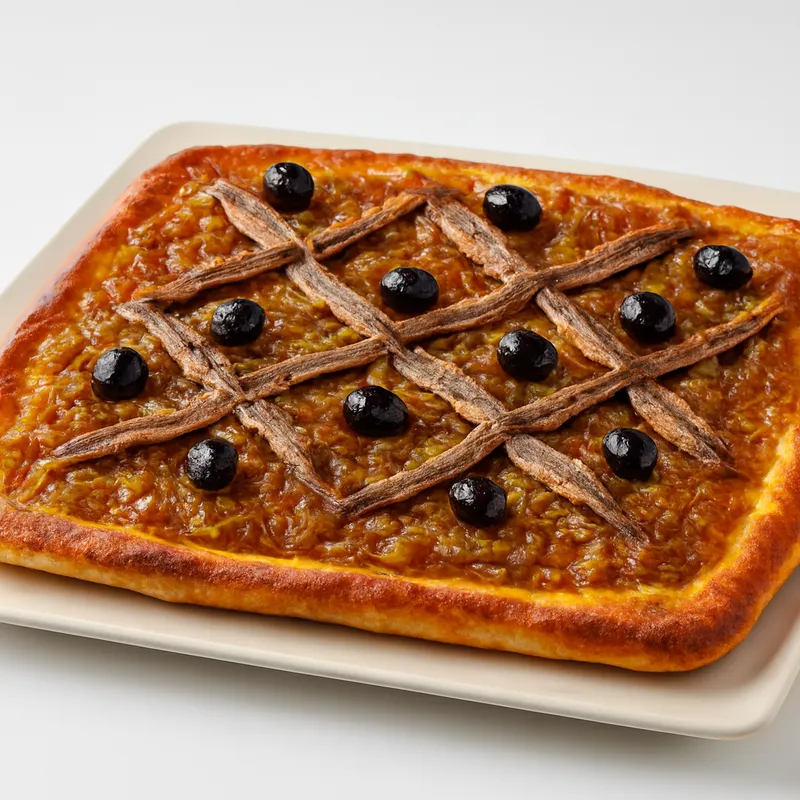
A long rectangle of bread dough — closer to focaccia than pizza — buried under onions cooked down to a sweet, near-jammy mass. A lattice of brown anchovy fillets and pitted Niçoise olives sits on top. No tomato, no cheese. The salt of the anchovy is read against the sugar of the onion; that's the whole dish. A version with cheese on it isn't pissaladière, it's pizza.
Onion is load-bearing: it must cook 60–90 minutes on low heat with a pinch of salt, no color, until the cell walls collapse and the natural sugars Maillard into something almost confit. Rushing the onions on high heat browns them but leaves them sharp and structural — the dish needs that slow, melted texture to balance the salt-fish hit on top.
Variations
Liguria's sardenara adds tomato and capers; Menton's pichade is built on a tomato base; the Marseille bakery version uses puff pastry instead of bread dough — a shortcut Niçois purists reject.
On the Palate
Where Pissaladière sits in the French flavor cloud
Ingredients




How it's made
6 steps · 1 hour 15 min active + 1 hour waiting
- 110 min
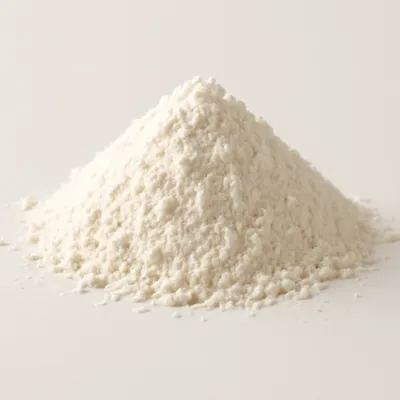
Begin by preparing the dough. Combine wheat flour, a pinch of salt, and enough water to form a pliable dough. Knead it until smooth and elastic, about 10 minutes, then cover and let it rest in a warm place until doubled in size.
Watch outEnsure the dough is not too sticky; add flour if necessary.
- 230 min
While the dough is resting, heat olive oil in a pan over medium heat. Add sliced onions, garlic, thyme, and a bay leaf. Cook slowly, stirring occasionally, until the onions are deeply caramelized and almost pureed, about 30 minutes. Remove the bay leaf.
Watch outOnions are done when they've gone pale gold and jammy, not browned — they should look almost melted, and the pan should be dry.
- 35 min
Preheat your oven to 220°C (428°F). Roll out the rested dough to a thickness of about 1 cm and transfer it to a baking sheet lined with parchment paper.
- 45 min
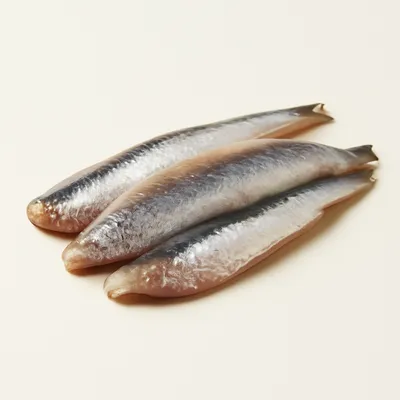
Spread the caramelized onions evenly over the dough, leaving a small border around the edges. Arrange whole anchovies and black olives on top, pressing them gently into the onions.
Watch outSpread thick to the edges but leave a bare rim; press the anchovies and olives down into the onions so they set in place.
- 520 min
Bake the pissaladière in the preheated oven until the crust is golden and crisp, about 15-20 minutes. The aroma of the anchovies and olives should be prominent.
Watch outPull it when the rim is deep golden and crisp and the anchovy-olive smell fills the kitchen; the border tells you before the middle does.
- 65 min
Remove from the oven and let it cool slightly. Slice and serve warm, enjoying the balance of sweet onions and salty anchovies.
Archive tool suggestions — not reviewed
These legacy suggestions have not been evidence-reviewed and are not presented as required tools.