
A dark, glossy brown sauce built from a reduction of red Bordeaux wine, shallots, thyme and bay, mounted on demi-glace and finished with poached cubes of beef bone marrow. Deeply winey and savoury, with a faint sweetness from the long reduction, it is the canonical sauce for grilled red meat — above all a thick rib steak (entrecôte) — and gives its name to the whole "à la bordelaise" style. One of the classical derivatives of the brown mother sauce, sauce espagnole.
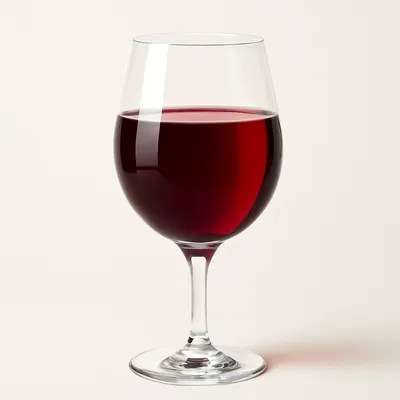
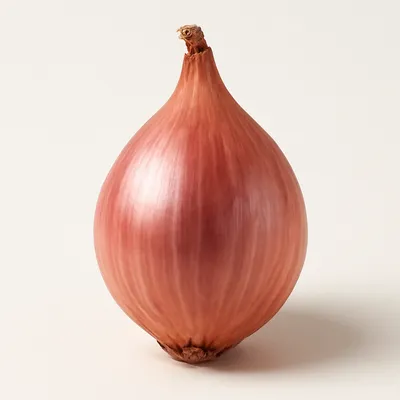



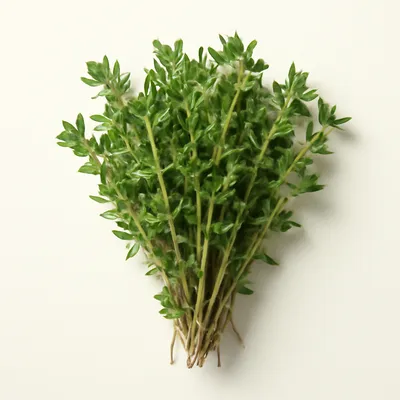
The sauce takes its name and character from the Bordeaux wine country of south-western France, where the local red was the obvious cooking medium; the bone marrow that distinguishes it is a Lyon and Bordeaux butcher's flourish, the prized centre of the beef bone. The classical formula belongs to the codified grande cuisine of the nineteenth and early twentieth centuries: Escoffier sets it down in Le Guide Culinaire as a reduction of red wine with shallots and mignonette pepper, bound with espagnole or demi-glace and garnished with poached marrow. Older books sometimes built a similar sauce on a meat glaze rather than espagnole, and the bordelaise was for a time made with white wine in some houses, but the red-wine-and-marrow version became the fixed reference.
On the plate it is almost black-red and clings to the meat in a shining ribbon. The first taste is concentrated wine and beef, savoury and grown-up, with the shallots gone soft and sweet into the background; then the marrow arrives — warm, buttery, faintly mineral — and rounds the whole sauce out. Too little reduction and it tastes raw and thin of wine; too much and it turns bitter and over-salted, because the demi-glace concentrates with it.
Everything turns on reduction. Simmering the red wine drives off the alcohol and water and concentrates the grape's acids, sugars and colour pigments, while the harsh young tannins soften and lose their astringency over the heat. Mounting the reduction on demi-glace — itself a long-reduced veal stock heavy with dissolved collagen as gelatin — gives the sauce its body and sheen without any flour. The marrow is poached separately and added at the very end: held too long over heat its fat would melt out and cloud or break the sauce, so it goes in just to warm through, lending richness and a velvety mouthfeel. A knob of cold butter swirled in off the heat (monter au beurre) adds the final gloss.
Variations
A nearly identical sauce made with white Bordeaux instead of red is sometimes called bordelaise blanche. Sauce marchand de vin ("wine merchant's sauce") is a close cousin built on a red-wine-and-shallot reduction without the marrow. In the south-west the same wine-and-shallot base, cooked with cèpes, dresses entrecôte and the famous cèpes à la bordelaise. Restaurants short of time fake it with a quick red-wine pan reduction finished with bought demi-glace and butter, omitting the marrow.
On the Palate
Where Sauce Bordelaise sits in the French flavor cloud
Ingredients
Serves 4

How it's made
6 steps · 40 min active + 20 min waiting
- 110 min
Poach diced beef bone marrow gently in salted water until just translucent, then drain and reserve.
- 28 min
Sweat finely chopped shallots in a little butter without colouring them.
- 315 min
Add the red Bordeaux, thyme, bay and crushed peppercorns, and reduce hard to a syrupy glaze.
Watch outReduce the wine hard to a syrupy glaze — this cooks off the alcohol and softens the raw young tannins so the sauce isn't harsh.
- 415 min
Pour in the demi-glace and simmer, skimming, until the sauce coats the back of a spoon.
- 55 min
Strain the sauce through a fine sieve and return it to a clean pan.
- 65 min
Off the heat, swirl in cold butter and fold in the warm marrow, season, and serve at once over grilled steak.
Watch outFold the marrow in off the heat, just to warm through — held over heat its fat melts out and clouds or breaks the sauce.
Archive tool suggestions — not reviewed
These legacy suggestions have not been evidence-reviewed and are not presented as required tools.


