
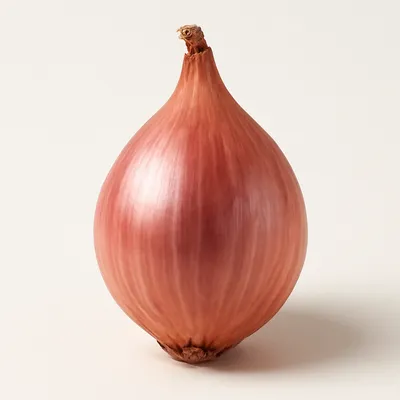
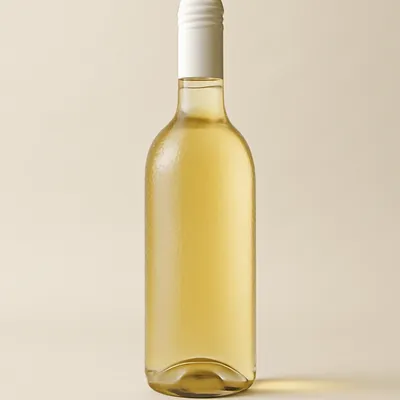
A white wine and shallot sauce: shallots softened in butter and reduced with dry white wine and fish fumet, bound with a fish velouté, finished with butter, parsley and lemon. Light, winey and fragrant with shallot, it is a classic sauce for poached or grilled fish; a closely related meat version, built on veal stock and garnished with poached marrow, dresses grilled steak. A named derivative of the velouté family.




The sauce takes its name from Bercy, the quarter on the eastern edge of Paris that for generations was the city's great wine entrepôt, where barrels arrived by river and rail to be stored and traded; a clutch of bistro dishes "à la Bercy" — sauces and garnishes leaning on white wine and shallot — carry the district's name. The classical repertoire records two: a fish Bercy, built on fish fumet and velouté for poached sole and other fish, and a meat Bercy of white wine and shallot bound with meat glace or demi-glace and finished with marrow and parsley, for grilled entrecôte. Escoffier sets both down in Le Guide Culinaire. The naming is firmly tied to the wine trade of Bercy rather than to a single chef.
Pale and lightly thickened, it tastes clean and bistro-bright: white wine cooked down to lose its rawness, a generous savour of softened shallot, and parsley and lemon keeping it fresh. On fish it is a foil rather than a blanket — enough body to cling, light enough not to smother delicate flesh. The meat Bercy eats richer, the marrow lending its buttery, mineral note. A Bercy that tastes thin and acidic has had its wine under-reduced; one that tastes only of butter has lost the shallot and herb in the cooking.
The flavour engine is the reduction of shallot, white wine and fumet: simmering drives off the wine's alcohol and harsh edge while concentrating its acidity and fruit, and the shallots soften and sweeten into the liquid. A fish velouté — a blond roux loosened with fish stock, where the starch gelatinises to thicken — gives the sauce just enough body to coat without weighing it down. The finishing butter is whisked in off the heat so it emulsifies into the warm sauce for gloss rather than melting to grease, and the parsley and lemon go in last to keep their fresh colour and aroma, which long cooking would dull. In the meat version, demi-glace replaces the velouté and poached marrow is folded in at the end.
Variations
The two classical Bercys — fish and meat — are themselves the main variation; the meat one is sometimes simply a shallot-and-white-wine pan reduction mounted with butter and glace de viande, garnished with marrow. A handful of sliced mushrooms turns the fish Bercy toward a sauce bonne femme. Cooks often build it directly in the pan the fish or steak was cooked in, deglazing the fond with the wine for extra depth.
On the Palate
Where Sauce Bercy sits in the French flavor cloud
Ingredients
Serves 4
How it's made
6 steps · 30 min active + 5 min waiting
- 18 min
Sweat finely chopped shallots in butter until soft and translucent, without colouring.
- 210 min
Add the dry white wine and fish fumet and reduce by about half.
Watch outReduce the shallot, wine and fumet by about half — simmering drives off the wine's raw alcohol edge and concentrates the flavor; under-reduce and the sauce tastes thin and boozy.
- 38 min
Stir in the fish velouté and simmer gently until the sauce coats the back of a spoon.
- 42 min
Strain if you like a smooth sauce, or leave the shallots in for a rustic one.
- 54 min
Off the heat, whisk in cold butter, then fold in chopped parsley and a squeeze of lemon, and season.
Watch outWhisk in the cold butter off the heat — it emulsifies into the warm sauce for gloss and body; left on the burner it just melts to a greasy slick.
- 63 min
Spoon over poached or grilled fish and serve at once.
Archive tool suggestions — not reviewed
These legacy suggestions have not been evidence-reviewed and are not presented as required tools.


