
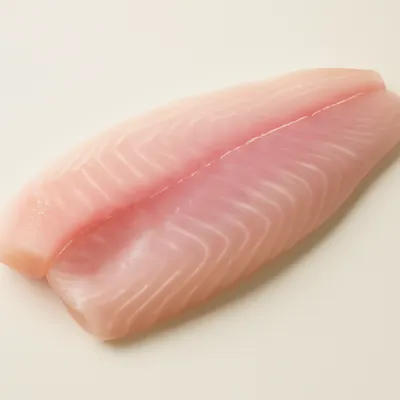
An Escoffier-era classic of poached fillets of sole napped in a white-wine cream sauce and garnished with peeled, seeded white grapes. The fish is poached in fish stock and white wine; the cooking liquor is reduced and bound into a velvety sauce enriched with cream, then glazed under the grill. The grapes are warmed through at the end so they stay plump and cool-sweet against the rich sauce. It is a model of fine-dining fish cookery from the grande-cuisine repertoire.



The dish is credited to Auguste Escoffier, created in 1898 while he was at the Carlton Hotel in London; it is widely said to have been named after a character or a daughter in the operetta-around comedy of the period — most accounts tie it to a French production and to the satisfaction of a colleague at the birth of a daughter named Véronique. The exact dedication is told several ways and is not firmly settled, so it is best treated as part of the dish's lore. What is certain is that 'Véronique' became the standard culinary term for a garnish of white grapes, applied to sole, chicken and other dishes alike.
Pale, silky fillets folded under a glossy ivory sauce browned just at the edges, ringed with translucent peeled grapes. The sole is delicate and barely set; the sauce is rich with cream and wine, slightly tangy. The grapes burst cool and sweet, cutting the butterfat. It is a study in soft textures and gentle contrasts. A sauce that has split or tastes floury means the reduction or the binding was mishandled.
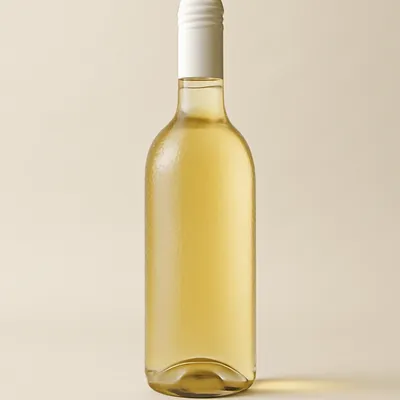
The cooking liquor is the sauce. Fillets are poached gently in fish stock and white wine just until set; that liquor — now carrying gelatine and flavor — is reduced hard to concentrate it, then bound, classically with a little velouté or by mounting with cream and butter into a sauce vin blanc. A final gratiné under the grill (sometimes with a touch of sabayon folded in) browns the surface without overcooking the fish beneath. The grapes are peeled because the skins would turn bitter and tough; they are only warmed so they hold their shape and contrast the hot sauce.
Variations
The 'Véronique' garnish of white grapes is the constant; the same treatment is applied to Chicken Véronique and to other fish. Some kitchens fold a sabayon into the sauce for a lighter glazed finish; others use Dover sole on the bone rather than fillets. Where sole is scarce, plaice or lemon sole stand in.
On the Palate
Where Sole Véronique sits in the French flavor cloud
Ingredients
Serves 4

How it's made
7 steps · 40 min active + 10 min waiting
- 110 min
Peel and seed the white grapes; set aside.
Watch outPeel the grapes — the skins turn bitter and tough under heat, and you only want to warm the flesh so it holds its shape against the hot sauce.
- 25 min
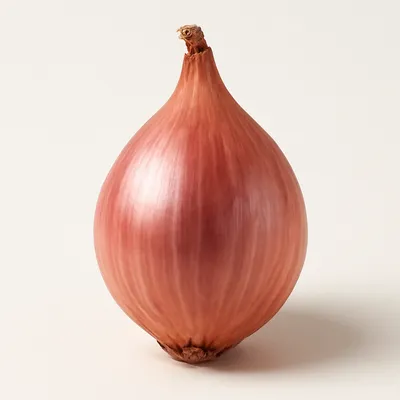
Fold the seasoned sole fillets and lay them in a buttered pan with chopped shallot.
- 38 min
Add fish stock and white wine to barely cover; poach gently until just set, then lift the fillets out and keep warm.
Watch outPoach the fillets just until set, then lift them out — the liquor becomes the sauce, and left in the heat the sole overcooks and toughens.
- 48 min
Reduce the poaching liquor hard until syrupy and concentrated.
Watch outReduce the poaching liquor hard until syrupy — that concentration is the backbone of the sauce; leave it thin and the sauce tastes watery.
- 56 min
Bind into a sauce with cream (and a little velouté or beurre manié), and check the seasoning.
- 63 min
Warm the grapes briefly in a little of the sauce.
- 75 min
Coat the fillets with sauce, scatter the grapes, and glaze under a hot grill until lightly browned.
Archive tool suggestions — not reviewed
These legacy suggestions have not been evidence-reviewed and are not presented as required tools.


