
This is the grand, plated version of the Lyon quenelle, and the one most cooks mean when they speak of "the" quenelle: an oval dumpling of pounded pike, panade and butter, poached so that it swells into something airy and almost weightless, then baked under sauce Nantua — a rose-pink crayfish sauce built on a béchamel and a butter made from pounded crayfish shells. The plainer quenelle already in the repertoire can be poached and served with any sauce, or fried; the Nantua version is the canonical pairing, a marriage of two specialities born in the same corner of eastern France. Served bubbling from the gratin dish, it is one of the dressiest things a bouchon or a white-tablecloth Lyon restaurant puts out.





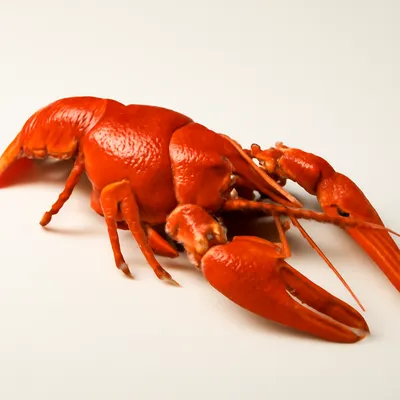
The quenelle itself is an old Lyon preparation, but the airy pike version is usually credited to Joseph Moyne, a Lyon pâtissier-traiteur active in the early twentieth century, who refined the panade-based dumpling to its light modern form; the city's charcutiers and traiteurs sold them by the bagful. Sauce Nantua is named for the town of Nantua, on its lake in the Bugey, east of Lyon, where the small freshwater crayfish (écrevisses) once teemed; it is documented in the classical repertoire by the late nineteenth century and codified by Escoffier. The pairing of the two — pike, the lake fish of the Dombes and Bresse ponds, with the crayfish sauce of the neighbouring Bugey — is a regional logic rather than a single inventor's idea, and it became fixed as a Lyon set-piece across the twentieth century.
A good quenelle is the opposite of dense: poached right, it puffs to twice its size and eats like a savoury soufflé, the pike flavour clean and delicate, the texture trembling and just holding together. The Nantua sauce is the foil — coral-pink, silken, deeply shellfishy and faintly sweet from the crayfish butter, often crowned with a few whole crayfish tails. Under the grill the surface blisters and browns while the inside stays loose. It is rich, almost decadent, yet light on the tongue; the danger is a quenelle that comes out rubbery or collapses into the sauce, the sign of a panade or a poach gone wrong.
Two things make the quenelle work. The pounded pike provides protein that sets into a soft gel when heated, and the panade — flour or bread cooked into a thick paste with milk or water and butter — traps water and steam, so that in the poaching liquid the dumpling expands and lightens rather than tightening; eggs bind it and butter enriches it. Poach it too hard and the proteins seize into rubber. The sauce is the other half: crayfish shells are pounded and cooked in butter, then the butter is strained off as a red, aromatic crayfish butter (beurre d'écrevisse), and whisked into a béchamel finished with cream. The shell butter carries both the colour and the concentrated marine flavour, fat-soluble compounds the water-based stock alone could never deliver.
Variations
The plain quenelle nature (quenelle nature) is poached and dressed with a simpler sauce — a velouté, a tomato sauce, or sauce financière with mushrooms and cockscombs — or even pan-fried; this Nantua pairing is the luxe one. Quenelles are also made with veal (quenelle de veau) or chicken instead of pike. Modern shortcuts swap the pounded fish for a mousseline lightened with cream, and the crayfish butter is sometimes reinforced with a little tomato and cognac. A very few houses still poach the quenelles directly in the Nantua sauce so they drink it in as they swell.
On the Palate
Where Quenelle de Brochet Sauce Nantua sits in the French flavor cloud
Ingredients
Serves 4

How it's made
8 steps · 1 hour 30 min active + 1 hour waiting
- 120 min
Make a thick panade by cooking flour with milk and butter (or use a choux-style base) and cool it.
- 225 min
Pound the skinned pike fillet to a smooth paste, then work in the panade, eggs and softened butter until silky.
- 360 min
Season well, chill the mixture, then shape into large ovals with two spoons.
- 420 min
Poach the quenelles gently in barely simmering salted water until they swell and float, then drain.
Watch outPoach the quenelles in barely simmering water until they swell and float — a hard boil seizes the pounded fish proteins into rubber; they should lighten and puff, not tighten.
- 525 min
For the Nantua sauce, pound crayfish shells, cook them in butter, and strain off the red crayfish butter.
- 620 min
Make a béchamel, finish with cream, then whisk in the crayfish butter to a smooth coral sauce; season with cognac.
Watch outWhisk the red crayfish butter into the béchamel off strong heat — it should emulsify into a smooth coral sauce; too hot and the butter splits to grease.
- 710 min
Arrange the quenelles in a buttered gratin dish, coat with the Nantua sauce, and top with whole crayfish tails.
- 815 min
Bake until the sauce bubbles and the quenelles puff and lightly brown, and serve at once.
Archive tool suggestions — not reviewed
These legacy suggestions have not been evidence-reviewed and are not presented as required tools.


