Poached white fish, smoked haddock and prawns bound in a white sauce, topped with mashed potato and baked until golden and bubbling. One of Britain's most-cooked comfort dishes.






Fish pie is one of the most-cooked home dishes in Britain, a comfort food that emerged in its modern form in the late 19th and early 20th century from the older tradition of baking fish under a crust or mash. The dish as now known is built on a mix of poached white fish, almost always smoked haddock for its depth, and prawns or salmon, bound in a white sauce béchamel flavoured with the poaching milk, and crowned with mashed potato that bakes to a golden crust. The use of smoked haddock is the English contribution, the fish being cured in the smokehouses of Aberdeen, Arbroath and Grimsby from the 19th century. The dish is essentially a fisherman's-cottage economy of leftover fish stretched with potato and milk, elevated into a national comfort food. Elizabeth David and Jane Grigson both wrote it up in the 1970s, and by the end of the century it was a fixture of the home and gastropub menu, valued for being cheap, filling and forgiving.
Flaky, mild white fish and smoky haddock in a creamy, parsley-flecked sauce, the prawns turning pink and sweet, all under a crisp, golden, buttery potato lid that crackles at the edges. Soft, rich, soothing.
The pie is built in three layers that each play a role. The fish is gently poached in milk, never boiled, just until it flakes, so it stays moist through the bake; the smoking of the haddock is what gives the whole dish its savoury backbone. The poaching milk becomes the base of the white sauce, thickened with a butter-and-flour roux, so every drop of fish flavour is retained, and parsley, lemon and sometimes mustard or peas are folded in. The mashed potato topping is made firm with butter and a little egg or cheese so it bakes to a crisp golden crust rather than collapsing; it is rough-forked on top to maximise the crisp surface. Baked at around 200 degrees C for 25 to 30 minutes, the sauce bubbles up and thickens further while the potato colours, the contrast of crisp top and creamy filling being the point. Resting 10 minutes lets the sauce settle for slicing.
Variations
Salmon replaces some white fish for colour and richness. Hard-boiled eggs or peas are folded into the sauce. A leek-and-mustard version is common. Some top the potato with cheese or breadcrumbs for extra crunch.
On the Palate
Where Fish Pie sits in the British flavor cloud
Ingredients
Serves 6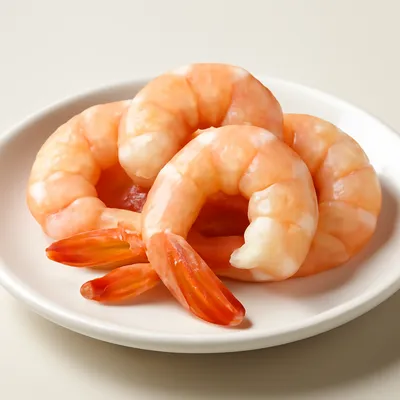

How it's made
7 steps · 30 min
- 16 min
Put 500g mixed skinless white fish and smoked haddock into a pan, cover with 500ml full-fat milk, and poach gently for 5 minutes until just flaking; lift the fish out and flake, reserving the milk.
Watch outPoach the fish gently just until it flakes, never a boil — boiling squeezes it dry and rubbery before it even bakes.
- 26 min
Make the sauce: melt 50g butter, stir in 50g plain flour, cook 1 minute, then whisk in the reserved warm milk until thickened and smooth.
Watch outCook the roux a full minute and add the warm milk gradually, whisking — rushed or cold-shocked, the sauce turns floury and lumpy.
- 35 min
Off the heat, stir in 2 tbsp chopped parsley, 1 tsp Dijon mustard, the juice of half a lemon, 200g raw peeled prawns, and seasoning; fold in the flaked fish gently.
- 46 min
Boil 800g floury potatoes, drain, mash with 50g butter and 3 tbsp warm milk until smooth, season well.
- 55 min
Spoon the fish mixture into a 1.5-litre baking dish, top with the mash, spread and rough-fork the surface, and dot with a little extra butter.
Watch outRough-fork the mash into peaks — those ridges are what crisp to deep gold; a smooth top just bakes pale and soft.
- 67 min
Bake at 200 degrees C for 25 to 30 minutes until golden and bubbling at the edges.
- 74 min
Rest 10 minutes; serve with green beans or peas.
Archive tool suggestions — not reviewed
These legacy suggestions have not been evidence-reviewed and are not presented as required tools.


