A dark green-black puree of laver seaweed, boiled long until soft, traditionally fried with oatmeal and bacon into 'lavercakes' for a full Welsh breakfast. Called 'Welsh caviar', it holds PDO status.
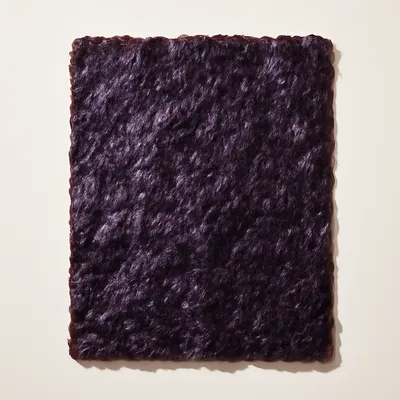
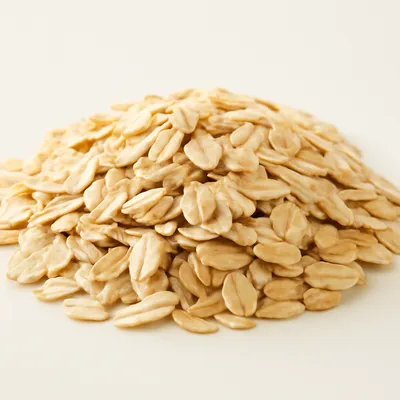
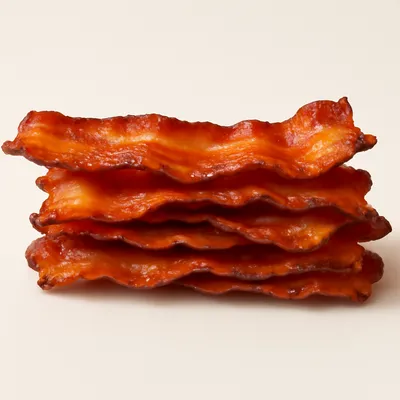


Laverbread, or bara lawr in Welsh, is the defining coastal food of Wales, made from the laver seaweed, Porphyra umbilicalis, that grows on the rocky shores of the Welsh coast and the Bristol Channel. The use of laver as food is ancient in Wales, recorded from the 17th century but certainly older, and the dish became the staple of the South Wales industrial workforce in the 19th century, sold hot from market stalls to miners and steelworkers as a cheap, nutritious breakfast. Welsh laverbread holds a PDO, protected geographical status, and is the only seaweed with such protection in Britain. The seaweed is gathered from the rocks, washed repeatedly to remove sand, then boiled for many hours until it collapses into a dark, smooth, intensely savoury puree with a mineral, iodine depth. Traditionally it is rolled in oatmeal and fried with bacon into 'lavercakes', served with cockles and bread and butter as the full Welsh breakfast. Richard Burton called it the food of the gods, and it remains the emblem of Welsh coastal cookery.
A dark, smooth, intensely savoury paste with a deep mineral, seaweed, iodine flavour and a faintly slippery texture, fried into crisp oatmeal-coated cakes with the salt of bacon. Eaten hot with cockles and bread and butter.
Laverbread is the result of a very long cook that breaks down the tough cell walls of raw seaweed. Fresh laver is washed in many changes of water to remove all sand and salt, then boiled in water for 4 to 5 hours, sometimes much longer, until it collapses entirely into a smooth dark puree that bears no resemblance to the crisp sheets of nori. The long cook is essential because raw laver is tough and unpalatable, and only prolonged hydration and heat make it digestible and release its mineral, umami depth. The finished laverbread is then used in two classic ways: eaten as is on toast, or rolled in dry oatmeal and fried in bacon fat into 'lavercakes', the oatmeal giving a crisp coating against the soft, savoury interior. The combination with cockles, another Welsh shore food, and with fatty bacon, the salt and fat lifting the iodine mineral notes, defines the full Welsh breakfast. The PDO status ties the name to Welsh-produced laver.
Variations
Lavercakes are eaten with a fried egg and cockles as the full Welsh breakfast. Some mix laverbread into a bread dough for 'laver bread'. Cold laverbread is spread on toast with lemon.
On the Palate
Where Laverbread sits in the British flavor cloud
Ingredients
Serves 4How it's made
6 steps · 20 min
- 14 min
Wash 250g fresh laver seaweed thoroughly in several changes of cold water to remove all sand and grit.
- 28 min
Put the laver in a pan, cover with water, and simmer gently for 4 to 5 hours, topping up the water, until the seaweed has collapsed into a smooth dark puree; drain any excess water.
Watch outSimmer a full four to five hours until the seaweed collapses to a smooth dark puree — raw laver is tough and only the long cook makes it soft and edible.
- 33 min
Season the laverbread with salt and pepper and a squeeze of lemon.
- 44 min
For lavercakes: take handfuls of the laverbread, roll them in dry oatmeal to coat, and shape into small flat cakes.
- 55 min
Fry 6 rashers of streaky bacon in a pan until crisp, then fry the lavercakes in the bacon fat for 2 to 3 minutes each side until crusted.
Watch outFry the cakes in the bacon fat until a real crust forms, a couple minutes a side — that oatmeal-coated sear is what turns soft puree into a cake.
- 64 min
Serve hot with the bacon, fried eggs, and cockles if available, with bread and butter.


