


Granted Protected Geographical Indication status in 2011, the pasty is documented in Cornwall from the 1300s and became the standard meal for Cornish tin miners by the 1700s. The thick crimped edge was a handle: miners with arsenic-tainted hands could hold the pasty by the crust and discard it without contaminating the food. The shape and ingredients are legally fixed for anything sold as "Cornish."
Tin miner's lunch — beef skirt, swede (rutabaga), potato, onion, salt, pepper, in a hand-crimped shortcrust D-shape. PGI status since 2011 protects the Cornwall border. The thick crimp was the disposable handle; miners with arsenic on their hands didn't eat it.
A D-shaped pastry the size of a man's hand, crimped along one curved edge, filled with diced — never minced — beef skirt, swede, potato, onion, salt, pepper. The pastry is sturdy shortcrust, built to be held by the crimp like a handle. Steam escapes when bitten in. The filling should be in distinct chunks; if it's a paste, the cook took shortcuts.
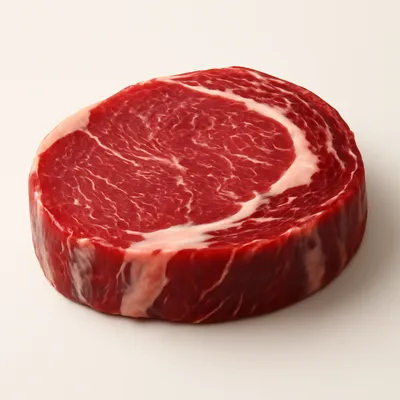
Beef skirt, not stewing steak — skirt has the right ratio of fat to connective tissue to render down in 50 minutes at 165 °C without stewing into a pulp. Swede (rutabaga, never turnip — Cornish locals will correct you) is non-negotiable: it holds shape and adds the slightly bitter, earthy register the dish rides on. The crimp must be on the side, not on top — top-crimped is a Devon pasty, a different beast.
Variations
Cornish PGI version (beef, swede, potato, onion, only); Bedfordshire clanger (savory at one end, sweet at the other); pastie (Michigan UP, brought by Cornish miners, often with carrot); empanada gallega is the Iberian cousin; Jamaican beef patty descends from the same hand-pie tradition via colonial routes.
On the Palate
Where Cornish Pasty sits in the British flavor cloud
Use raw beef skirt and hard root veg cut small so they cook through together inside the sealed pastry — skirt has the fat-to-collagen ratio to go tender in about 45 minutes at 220°C without stewing to mush, and swede (not turnip) carries the earthy backbone.
Ingredients


How it's made
4 steps · 1 hour 5 min
- 15 min
Preheat the oven to 220°C (428°F). Roll out the pastry to about 5mm thick on a floured surface, listening to the soft rustle of the dough.
Watch outRoll to a coin-thick 5 mm sheet that lifts without tearing; too thin and the raw filling will punch through.
- 25 min
In a large bowl, combine diced beef, thinly sliced potatoes, swede, and onions. Season generously with salt and pepper, ensuring each piece is coated with the seasoning.
- 310 min
Place a generous mound of the filling onto one half of the pastry circle. Fold the other half over the filling, crimping the edges to seal in the juices.
Watch outCrimp a tight, rope-like seam down the side; press out air pockets so it doesn't balloon and split in the oven.
- 445 min
Place the pasties on a baking sheet and bake in the preheated oven until the pastry is golden and crisp, about 45 minutes. The kitchen should fill with the savory aroma of baking pastry.
Watch outBake until the crust is deep golden and firm — a pale pasty means the inside is still raw; give it the full time.
Archive tool suggestions — not reviewed
These legacy suggestions have not been evidence-reviewed and are not presented as required tools.