

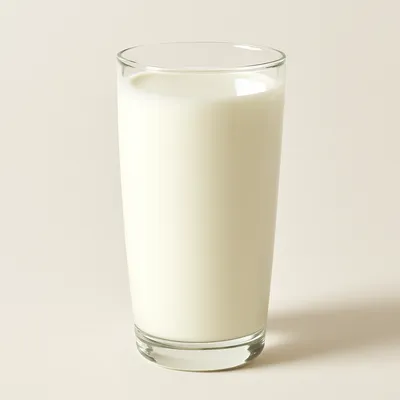


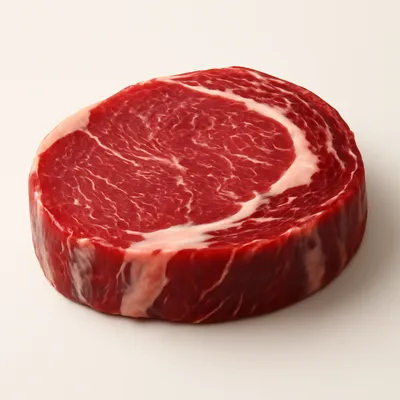
First named in print 1747 by Hannah Glasse as "Yorkshire pudding," The technique — batter cooked under roasting meat to catch the dripping — was already common in northern England, and the dish first appeared in print in 1737 as "a dripping pudding" in The Whole Duty of a Woman before Glasse renamed it. Originally eaten before the meat as a cheap belly-filler, so guests would eat less of the expensive joint; by the late 1800s it had migrated to a side dish on the plate. Despite an attempt by Yorkshire producers to register the name, Yorkshire pudding holds no PGI status — the term was judged too generic to restrict to one region (unlike the Cornish pasty, which succeeded).
1737 'dripping pudding' renamed by Hannah Glasse in 1747. The hot beef-dripping smoke point is what gives the rise; cold tin or cold batter and you get a crepe. Equal volumes flour-egg-milk, by weight not measure.
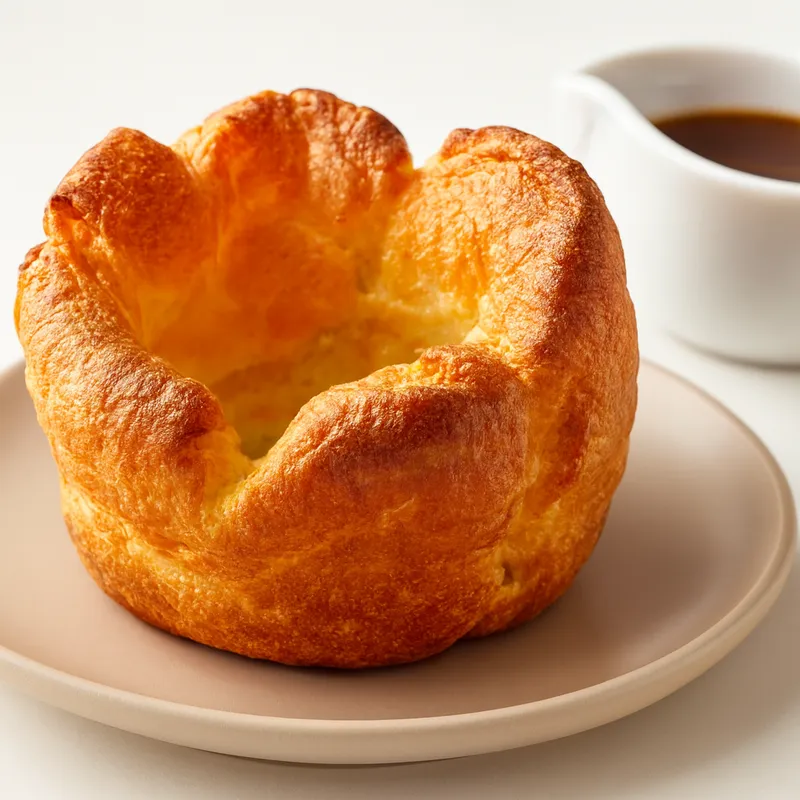
A hollow, golden cup that has risen four times the height of the batter, crisp at the rim, soft and slightly eggy in the dip, used to hold a pool of brown gravy at the table. Eaten with the Sunday roast or sometimes alone with onion gravy as a starter in northern pubs. A flat, dense pudding is a failed pudding — heat shock failed somewhere.
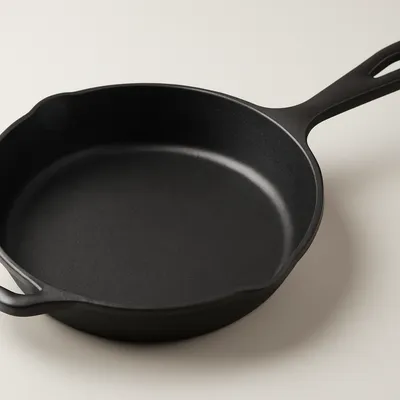
Three rules. Batter rested at room temperature for at least 30 minutes (gluten relaxes, eggs hydrate). Fat — beef dripping ideally — smoking hot in the tin at 220 °C before batter goes in. Oven door not opened for the first 20 minutes. The rise is steam-driven: water in the batter flashes to vapor against the hot fat, the egg-and-flour skin sets around the bubble. Open the door early, the structure collapses.
Variations
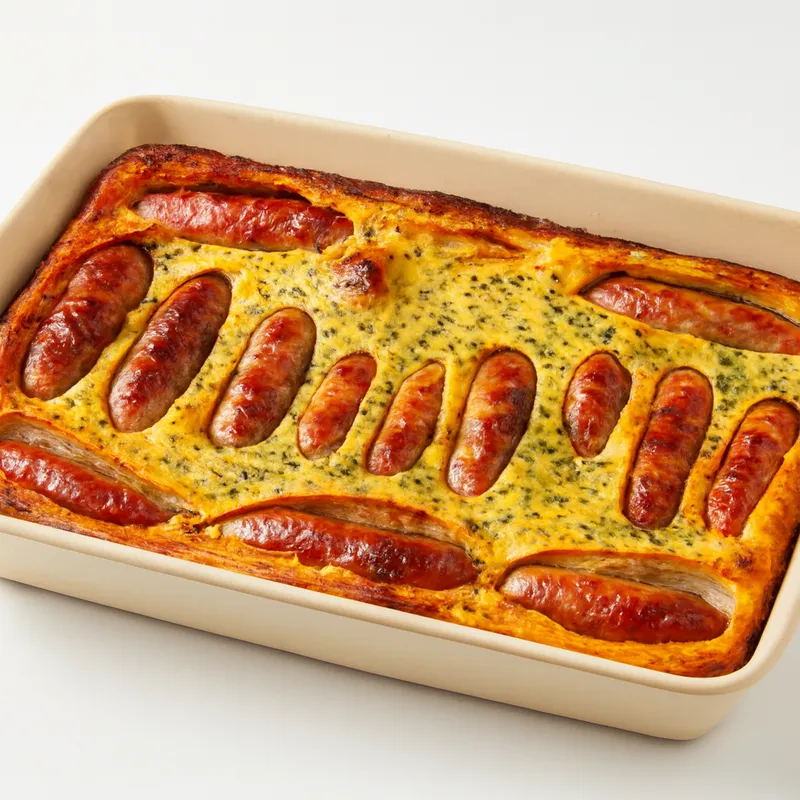
Toad in the hole bakes sausages in the same batter; popovers (American) use butter not dripping; large 'family' Yorkshires from a 12-inch tin are still pub-Sunday-roast standard in West Yorkshire.
On the Palate
Where Yorkshire Pudding sits in the British flavor cloud
Ingredients

How it's made
5 steps · 1 hour
- 15 min
Preheat the oven to a high temperature.
- 23 min
Mix flour, eggs, and milk to form a smooth batter.
Watch outAfter mixing, rest the batter at room temperature at least 30 minutes — the flour hydrates and relaxes, which is half the rise; skip it and they stay squat.
- 35 min
Heat beef drippings in a roasting tin until smoking.
Watch outThe dripping must be smoking-hot before the batter hits it — that flash of steam is what drives the puff; lukewarm fat and there's no lift.
- 45 min
Pour the batter into the hot tin.
- 525 min
Bake until puffed and golden.
Watch outDo not open the oven for the first 20 minutes — the puddings are still setting around the steam bubble, and a draft of cool air collapses them flat.
Archive tool suggestions — not reviewed
These legacy suggestions have not been evidence-reviewed and are not presented as required tools.