
Earthy and subtly sweet, swede boasts a velvety texture when roasted or mashed, transforming into a comforting side dish. Its floral aroma hints at the root’s complex flavor profile, making it a cherished staple in Scandinavian and British cuisines.
Where it comes from
Swede, also known as rutabaga, has roots in Northern Europe, where it has been cultivated since the 17th century. It played a crucial role in sustaining populations during harsh winters.
In the kitchen
Used primarily in soups, stews, and as a mash, swede adds depth and a natural sweetness that balances savory dishes, enhancing their overall flavor.
Nutrition (per 100g)
81kcalCal
1.2gProtein
0.1gFat
19.0gCarbs
3.8gFiber
Values are AI-estimated, not from a laboratory database
Pairs well with

Nutmeg
Grate a touch into swede mash. The warmth of nutmeg lifts the earthy sweetness, adding a cozy depth.
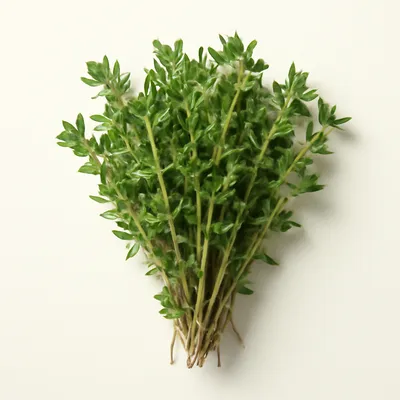
Thyme
Add thyme while roasting. Its woodsy aroma complements swede's sweetness, creating a fragrant harmony.

Carrot
Simmer together in stews. Carrot's sweetness mirrors swede's, deepening the broth with a natural sweetness.
