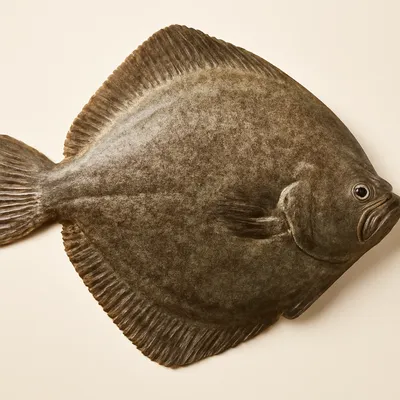


The papillote technique is documented in French haute cuisine from the early 19th century — Antonin Carême wrote on enclosed-paper cooking around 1815 — and entered Parisian restaurant repertoire as a way to serve delicate fish without losing aromatics in transit. Turbot, the prized flatfish of the Channel and North Sea, was already a Parisian luxury under Louis XV; pairing it with the en papillote method preserves the fish's faint sweetness while making service theatrical.
Paris haute-cuisine technique formalized by Carême — turbot wrapped in parchment with herbs and a splash of vermouth, oven-steamed until the parcel balloons. The aroma release at the table is the whole point.
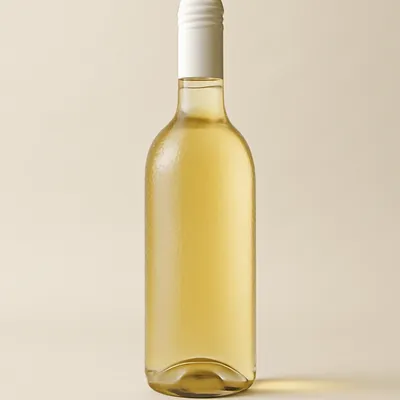
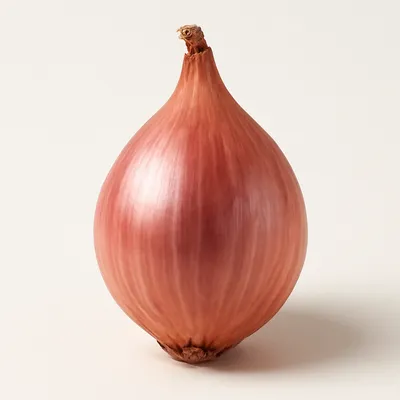
A puffed parchment pouch arrives at the table; the waiter slits it open and steam rises with white wine, shallot, and tarragon. Inside, a translucent turbot fillet sits on julienned leek and fennel, barely set, juices pooled. The flesh flakes in wide leaves. If the fish is opaque all the way through, it overshot — turbot wants to leave the oven still glassy at the spine.
The pouch is a sealed steam chamber: the wine and fish liquor flash to vapor at around 100°C and cook the flesh from all sides at once, much faster than dry heat would. Parchment must be folded tight — a leak drops the internal pressure and you end up roasting, not steaming. Cut the pouch tableside, never in the kitchen; half the dish is the released aroma.
Variations
En papillote with beurre blanc inside (Lyonnais); with sauce vierge (Provençal, tomato-olive-basil); modern Atlantic version uses kelp wrapper instead of paper; Loïc Le Bail at Brittany's Brittany Spirit serves it tableside-cut.
On the Palate
Where Turbot en Papillote sits in the French flavor cloud
Ingredients




How it's made
4 steps · 28 min
- 15 min
Preheat your oven to 400°F (200°C). Cut a large piece of parchment paper for each fillet, enough to fold over and seal tightly.
- 23 min
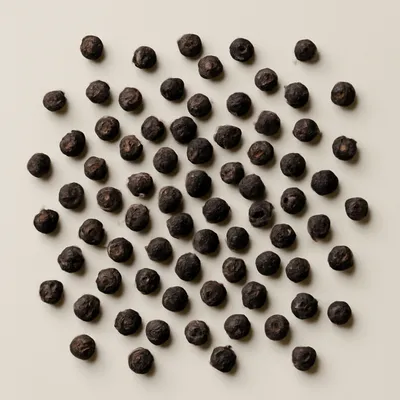
Place a turbot fillet in the center of each parchment. Drizzle with white wine and season with salt. The aroma should be fresh and slightly briny.
Watch outThe wine and salt should smell fresh and faintly briny going on — that liquid is what becomes the steam, so don't skimp on it.
- 35 min
Fold the parchment over the fish, crimping the edges to form a tightly sealed packet. This will trap steam and infuse the fish with flavor.
Watch outPress every crease firm as you crimp; run a finger along the seam to feel for any spot that isn't fully sealed.
- 415 min
Place the packets on a baking sheet and bake in the oven for 12-15 minutes. The packets should puff up as steam builds inside.
Watch outThe packet is done when it has ballooned taut with steam — a flat, un-puffed packet means it leaked and needs checking.
Archive tool suggestions — not reviewed
These legacy suggestions have not been evidence-reviewed and are not presented as required tools.