

British, not French — first appears under the name 'Beef Wellington' in a 1966 cookbook, though pastry-wrapped beef recipes existed in English cooking from the early 1800s. The name likely honors Arthur Wellesley, 1st Duke of Wellington, after Waterloo (1815), but the link is folkloric. The dish became a postwar restaurant showpiece in London and New York and stays there — a celebration plate, not a weeknight cook.
The dish that made Gordon Ramsay famous and home cooks nervous. The duxelles is where the real work happens.
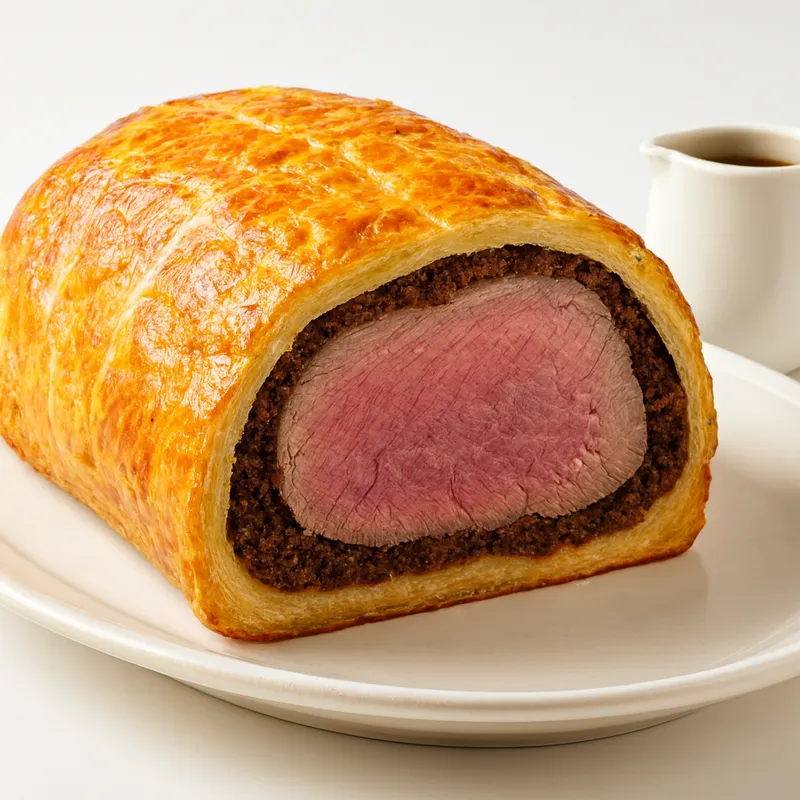
A pink-rare beef tenderloin cross-section, ringed by a brown layer of mushroom duxelles, then a thin sheet of prosciutto or crêpe, then golden puff pastry. Cut releases steam and a little jus. The meat should read 52–54°C at the center; pastry stays crisp on the bottom, not soggy. Served by the slice with red-wine jus or béarnaise.
Two moisture barriers protect the pastry. First, the duxelles is cooked until completely dry — any residual water will steam the pastry from inside. Second, a layer of prosciutto or crêpe wraps the duxelles to seal beef juices away from the dough. Skip either step and you get a soggy bottom. The beef is also seared and rested before assembly so it sets at the right doneness in a short bake.
Variations
Escoffier-trained chefs use the duxelles-pâté wrap; Gordon Ramsay popularized the cling-film method; modern American versions use store-bought puff pastry — three rituals of British showpiece beef.
On the Palate
Where Beef Wellington sits in the British flavor cloud
Ingredients


How it's made
5 steps · 1 hour active + 30 min waiting
- 110 min
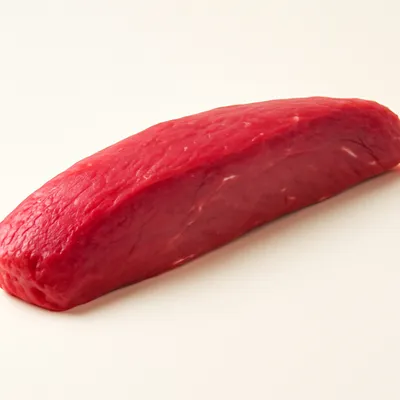
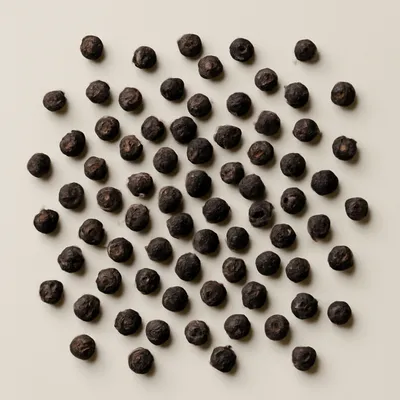
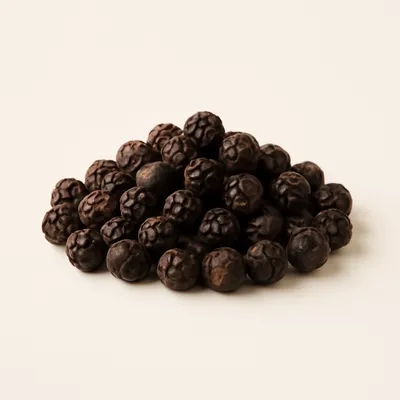
Season the beef tenderloin with salt and pepper, then sear it in a hot pan with butter until browned on all sides. The beef should sizzle as it hits the pan, forming a crust that locks in the juices.
Watch outThe beef should hiss loudly the instant it hits the pan and build a deep mahogany crust on every side — no pale patches, no pooling water.
- 25 min
Remove the beef and brush it with mustard while still warm, allowing the mustard to seep into the crust. Let it cool completely on a wire rack.
Watch outBrush the mustard on while the crust is still warm so it clings in a thin glaze, then wait until the meat is cool to the touch before moving on.
- 315 min
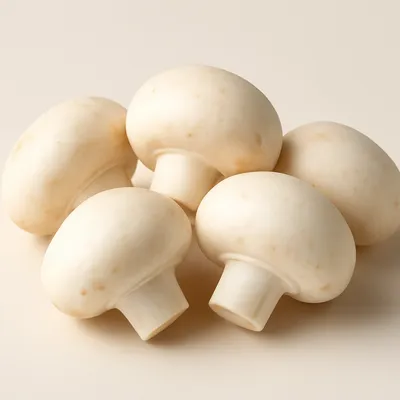
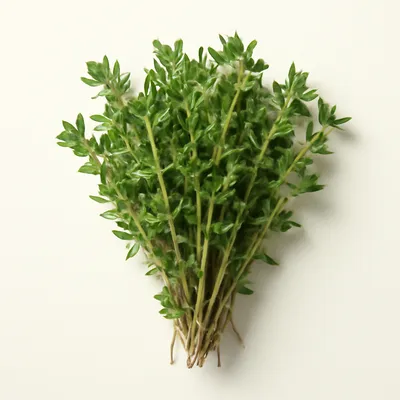
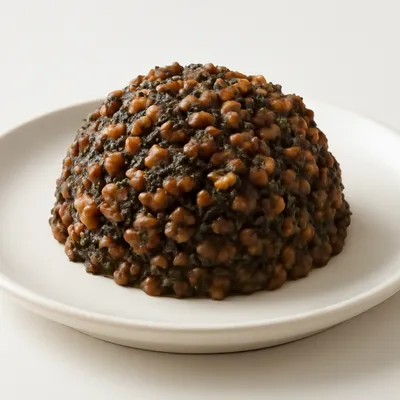
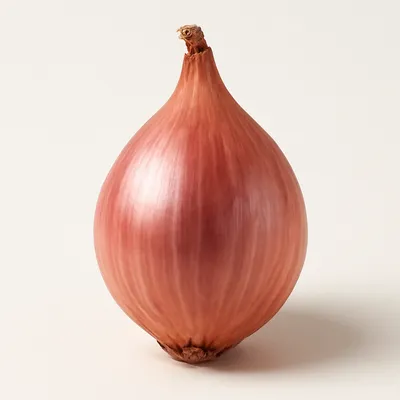
Prepare the duxelles by finely chopping mushrooms, shallots, and thyme. Sauté in butter until the mixture is dry and intensely aromatic, with no moisture left in the pan.
Watch outKeep sautéing until the mushrooms stop squeaking and releasing steam, darken, and pull cleanly away from the pan with no shine of moisture left.
- 410 min
Roll out the pastry and spread a thin layer of pâté over it. Place the cooled beef on top, then cover with the duxelles. Wrap the pastry tightly around the beef, sealing the edges.
Watch outSpread the pâté and duxelles in an even, thin coat and roll snugly — the parcel should feel taut with no air gaps or slack folds.
- 520 min
Brush the pastry with beaten egg for a golden finish. Bake in a preheated oven until the pastry is crisp and golden, and the beef is cooked to your liking.
Watch outThe egg-washed pastry should turn deep, even gold and puff crisp; a probe at the center reading 52–54°C means it's time to pull and rest.
Archive tool suggestions — not reviewed
These legacy suggestions have not been evidence-reviewed and are not presented as required tools.