

A 20th-century variant of the original 1898 apple Tarte Tatin from Sologne, popularized as French pastry chefs adapted the inversion technique to seasonal fruit. Plum versions are particularly tied to late-summer Provence and the southwest, where Reine Claude (greengage) and quetsche varieties ripen August–September. The Mirabelle de Lorraine makes a third regional variant.
Lamotte-Beuvron (Sologne) accident, 1898 — Stéphanie Tatin forgot the apples in butter-and-sugar, recovered by laying pastry on top and inverting. The plum version swaps Reine Claude or Mirabelle plums for the apples and shortens the caramel time.
Same architecture as the apple version — caramel and fruit cooked first in a heavy pan, pastry on top, baked, inverted — but plums collapse faster and bleed more juice, so the caramel runs deeper red and the fruit silhouettes are softer on the plate. Eaten warm. Skin-on plums tighten into edible jackets around the soft flesh; tart-sweet, with the caramel finishing dark and almost smoky.
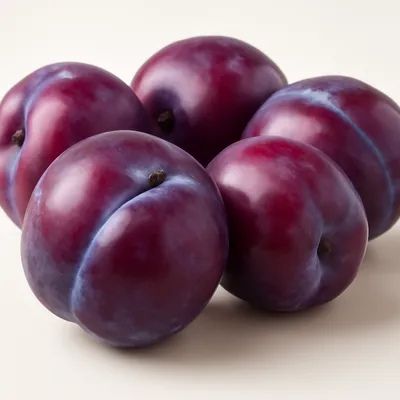
Plums carry far more water than apples, so the stovetop reduction step has to go longer — until juice has cooked off and only caramel coats the fruit; otherwise the inverted tart slides on a soup. Halve and pit, do not slice; whole halves keep their structure under heat. Quetsche and damson hold up; soft Japanese plums turn to jam in the pan.
Variations
Pommes (the original apple version); poires (pear, autumn); abricots (apricot, summer); modern Parisian pâtissiers like Cédric Grolet do single-portion individual tatins; Tatin sœurs sisters' Hôtel Tatin still serves the original.
- ·Uses plums instead of apples
On the Palate
Where Plum Tarte Tatin sits in the French flavor cloud
Cook the plums down long enough that the caramel is thick and clinging, not runny — plums hold far more water than apples, and if the juice hasn't cooked off, the inverted tart slides out sitting in a soup.
Ingredients
How it's made
5 steps · 47 min
- 110 min
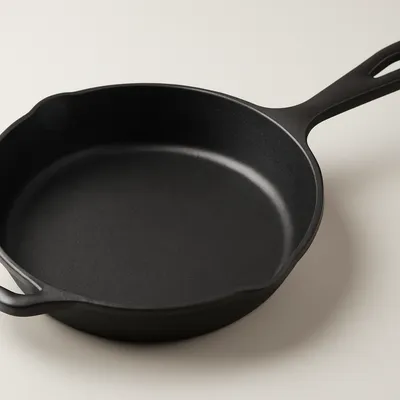
Preheat your oven to 375°F (190°C). In a heavy oven-safe skillet, melt the sugar over medium heat until it turns a deep amber, swirling occasionally. The caramel should have a rich, nutty aroma.
Watch outMelt the sugar to a deep amber that smells nutty — pull it right there, because a shade darker tips into bitter.
- 22 min
Add butter to the caramel, stirring gently until fully incorporated. The mixture should be smooth and glossy.
- 35 min
Halve and pit the plums, then arrange them cut-side down in the caramel, snugly fitting them in a single layer. The plums should sizzle slightly as they hit the hot caramel.
Watch outArrange the halves cut-side down and snug; they should sizzle as they hit the caramel and sit in a single tight layer.
- 45 min
Roll out the flour dough to a thickness of about 1/4 inch. Drape it over the plums, tucking the edges down into the skillet.
- 525 min
Transfer the skillet to the oven and bake until the pastry is golden brown and crisp, about 25 minutes. The kitchen should fill with the sweet scent of caramelized fruit.
Watch outBake until the pastry is deep golden and crisp all over; a pale, soft top won't hold the fruit when you flip it.
Archive tool suggestions — not reviewed
These legacy suggestions have not been evidence-reviewed and are not presented as required tools.