Salt-cured pork shoulder, belly, and ribs simmered with green Puy lentils, carrots, leeks, and onion — the cooking water salinity comes entirely from the pork, no added salt.




Petit salé aux lentilles is the Auvergnat farmhouse one-pot — the marriage of mountain-cured pork (preserved by salt for winter) with the green lentil of Le Puy-en-Velay, the only French lentil with AOC protection (since 1996, PDO/AOP since 2009). Le Puy lentils grow only on the volcanic plateau of Velay at 700-1000m altitude, in soil that gives them their thin skin and peppery taste. The dish predates refrigeration — pork was cured to last, lentils dried to keep, both pulled together when the cellar was raided.
Le Puy lentils — only French lentil with AOC (1996, IGP 2009) — grow at 700-1000m on Velay's volcanic plateau, which gives them their thin skin and peppery taste. Substitute brown lentils and they disintegrate at 30 minutes; the dish becomes soup.
Lentils are firm-tender, holding their lens shape, slick with rendered pork fat and absorbed broth — green-grey with a faint peppery-mineral taste from Puy soil. The pork is salt-set but not jerky-salty thanks to the soak; shoulder is tender, belly is silky-fatty, ribs slip off the bone. A drag through Dijon mustard cuts the fat. If the lentils are mushy or the pork is fibre-dry, the simmer was too hard — petit salé wants barely a tremble for two hours.
Two rules. First, soak the petit salé. Cured pork carries enough salt to over-season the entire pot if it goes in unsoaked, and lentils cooked in over-salted broth firm up too hard. Second, cook the lentils in pork broth, not water — this is what carries pork flavour into them. Substituting Puy with brown lentils breaks the dish; brown lentils have looser skin and disintegrate during the 30-minute simmer, turning the dish to soup.
Variations
Auvergnat farmhouse version (Le Puy + cured shoulder + ribs); Lyon brasserie version (sausage instead of cured pork); Berry version uses haricot lingot instead of lentil; modern Paris bistros sometimes drop the soak step and the dish over-salts.
On the Palate
Where Petit Salé aux Lentilles sits in the French flavor cloud
Ingredients
Serves 6How it's made
5 steps · 30 min active + 2 hours 30 min waiting
- 10 min
Soak 1.2kg petit salé (cured shoulder + belly + 4 ribs) in cold water 2 hours, changing water once — pulls out excess salt. Drain.
Watch outSoak the cured pork the full 2 hours and change the water once — taste a sliver at the end; still tongue-slappingly salty means give it more time or the whole pot over-seasons.
- 290 min
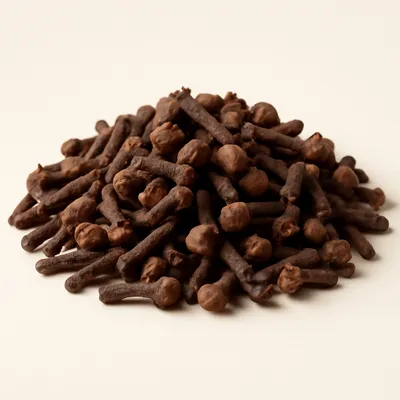
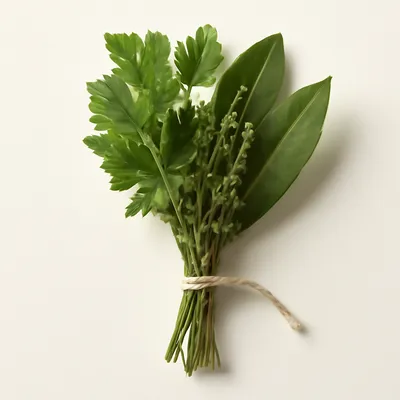
Cover the pork with cold water in a wide pot. Bring slowly to 90°C — do not boil. Skim the grey foam. Add 1 onion stuck with 3 cloves, 2 carrots quartered, 1 leek, bouquet garni. Simmer 1.5 hours.
Watch outBring the pork up slowly and hold it at a bare 90 degrees — never let it boil; a rolling boil turns the broth cloudy and toughens the meat.
- 38 min
Meanwhile rinse 400g green Puy lentils (AOC) — DO NOT pre-soak. Sweat 1 chopped onion, 1 chopped carrot in 30g goose fat. Add lentils.
Watch outDo not let the vegetables brown; they should be translucent.
- 428 min
Ladle 800ml of the pork cooking broth over the lentils. Simmer 25-30 minutes — lentils should keep their shape and slight firmness, not mush. Add a splash more broth if dry. No added salt.
Watch outPull the Puy lentils while they still hold their shape with a slight bite — around 25 to 30 minutes; cook them to mush and the dish turns to soup.
- 54 min
Lift pork from broth; slice into thick pieces — 2 ribs, 1 thick slice belly, 1 chunk shoulder per person. Spoon lentils onto a wide warm plate, lay pork on top, ladle a little broth around. Serve with strong Dijon mustard and crusty bread.
Archive tool suggestions — not reviewed
These legacy suggestions have not been evidence-reviewed and are not presented as required tools.