
A large smoked pork sausage from the Haut-Doubs in Franche-Comté, coarsely ground, stuffed into natural casing, and slow cold-smoked over conifer wood until deep amber. It is sold raw and identified by a wooden peg pinning one end; the cook poaches it whole in barely-simmering water, then slices it warm over green lentils, potatoes, or into a potée. The meat stays moist and firm, threaded with smoke and the tang of a slow cure.



The Saucisse de Morteau is named for the town of Morteau in the Haut-Doubs and is documented from the 16th century, when it emerged alongside the farms built with a tuyé — a vast pyramidal central chimney, some 12 to 15 metres tall, in which the montagnards of the high Jura hung meat to smoke and keep it through the long winter. Its modern identity rests on a strict cahier des charges: production is limited to the four Franche-Comté departments (Doubs, Jura, Haute-Saône, Territoire de Belfort), the pigs are partly raised on whey from the region's cheese dairies, and each sausage is closed with a wooden peg. It was homologated as a French IGP by an order of 10 July 2009 and registered as an EU protected geographical indication in 2010 (Commission Regulation No 751/2010); a larger-calibre version stuffed into the caecum is sold as the Jésus de Morteau.
Cut warm, the slices are coarse and meaty, flecked with white fat that has turned silky rather than greasy, and the smoke runs all the way through — woody and resinous from the conifer, not acrid. A good Morteau is firm and juicy, never dry or crumbly; the cure gives it a faint lactic tang under the smoke. Served over lentils, the earthy pulses soak up the fat and smoke, while a boiled potato carries the flavour plainly. The skin should stay taut and snap cleanly under the knife.
Morteau is preserved by three forces working together before it ever reaches the pot: salt, drying, and cold smoke. The salt draws out water and lowers water activity so spoilage bacteria can't multiply, while the smoke is applied cold — held low, around 12 to 22°C, well below the roughly 40°C at which fat begins to render and protein to set — so it flavours and dries the sausage without cooking the meat hard. Smouldering spruce and fir sawdust release phenols and carbonyl compounds that are both antimicrobial and antioxidant, laying down the resinous aroma and the deep amber colour while slowing rancidity in the fat. Because it leaves the smokehouse raw, the cook's job is gentle: poach it whole in water held at a bare 80 to 90°C, never a rolling boil, which would burst the casing and squeeze the fat out, leaving the meat dry. Pricking the casing is likewise avoided, so the juices stay sealed inside.
Variations
The classic Franc-Comtois plate sets the sliced sausage on green lentils or on potatoes; in a fuller potée comtoise it simmers with smoked pork shoulder, cabbage, and root vegetables. It is also poached and served with Morbier or in a Mont d'Or fondue. Its close regional cousin is the saucisse de Montbéliard, a smaller smoked sausage flavoured with caraway, also an IGP. The Jésus de Morteau is the same recipe in a larger, knobbly casing.
On the Palate
Where Saucisse de Morteau sits in the French flavor cloud
Ingredients
Serves 4
How it's made
7 steps · 10 min
- 12 min
Rinse the sausage and leave the wooden peg and string in place; do not prick the casing.
- 23 min
Lay it in a pot of cold water deep enough to cover, with a bay leaf and a few peppercorns if you like.
- 35 min
Bring slowly up to a bare simmer, then lower the heat so the water only trembles at around 80 to 90°C, never boiling.
Watch outBring it up slowly and back off the heat the instant tiny bubbles start — the water should shiver, never break the surface.
- 440 min
Poach gently for 35 to 45 minutes depending on the sausage's thickness, keeping it fully submerged.
Watch outKeep the sausage fully submerged the whole 35 to 45 minutes; a bobbing end cooks unevenly.
- 530 min
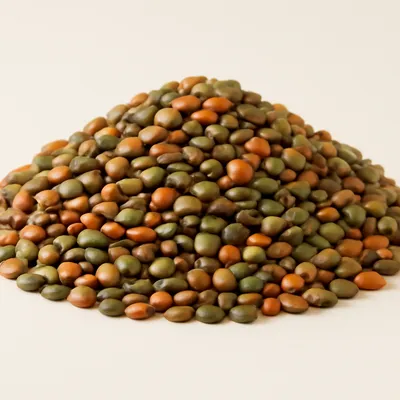
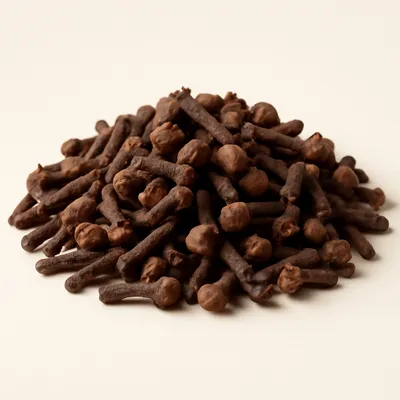
Meanwhile, simmer green lentils with a chopped onion, carrot, and a clove until just tender, then season.
- 64 min
Lift the sausage out, let it rest a couple of minutes, then remove the peg and slice it thick.
Watch outRest it a couple of minutes before slicing so the juices settle, then cut thick.
- 73 min
Plate the slices over the warm lentils or potatoes and spoon a little of the cooking liquid over.
Archive tool suggestions — not reviewed
These legacy suggestions have not been evidence-reviewed and are not presented as required tools.


