
A spiral viennoiserie made from butter-laminated yeast dough spread with crème pâtissière, scattered with raisins, rolled into a log and sliced into coils that bake into flat, glazed snails. With the croissant and the pain au chocolat it forms the classic trio of the French boulangerie's viennoiserie case. It is eaten at breakfast, the coiled top often finished with a clear apricot or sugar glaze. In parts of France it is also called escargot (snail) or pain russe.



The pain aux raisins belongs to the family of viennoiserie — laminated yeast pastries that entered French baking in the 19th century in imitation of the rich Viennese baking that gave the croissant its crescent and its name. Its construction is the same laminated, butter-turned dough used for the croissant and pain au chocolat, distinguished only by the crème pâtissière and raisin filling and the rolled, sliced spiral. The exact origin of the raisin version is not recorded; it is a standard of the French bakery rather than a dish with a documented inventor, and goes regionally by escargot in much of the country and pain russe elsewhere.
Crisp, leafed edges give way to a soft, custard-damp centre, the pastry rich with butter and the raisins plump and chewy against the smooth pastry cream. A good one is baked through to the middle of the coil so the innermost turn is cooked, not gummy, with the glaze tacky rather than wet. Best the morning it is baked; by the next day the laminated layers soften and the crispness is gone.
Two techniques stack here. First, lamination: a block of butter is folded through the yeast dough in repeated turns to build alternating sheets of dough and fat, which in the oven puff on their own steam into flaky leaves while the yeast also leavens the dough — a viennoiserie is risen both ways. Second, the crème pâtissière: milk thickened with egg yolk and starch, cooked until the starch granules swell and gel into a pipeable cream that survives the oven without weeping. Rolling the filled sheet and slicing it exposes the spiral, which sets flat as the dough proves and bakes.
Variations
Closest is the croissant and the pain au chocolat, the same laminated dough in other forms. The raisins are often macerated in rum or in tea before use; some bakeries replace the crème pâtissière with frangipane (almond cream) or add a thin water icing over the apricot glaze. In Alsace and German-speaking regions the related snail is the Schnecke. The Parisian raisin loaf bread sold under the same name is a separate, plainer raisin bread, not the laminated coil.
On the Palate
Where Pain aux Raisins sits in the French flavor cloud
Ingredients
Serves 8

How it's made
7 steps · 45 min
- 160 min
Make a yeast dough, chill it, then laminate by folding in a block of butter through three turns, resting cold between each; chill the dough sheet.
Watch outKeep the dough and butter cold through every fold — if the butter warms and merges into the dough, the layers fuse and won't flake.
- 240 min
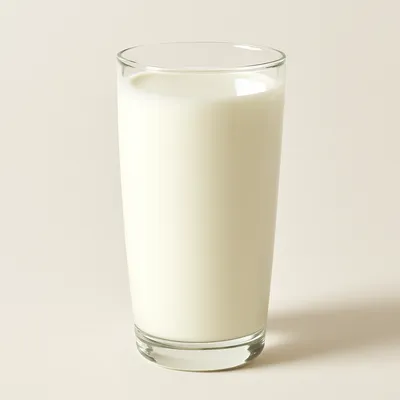
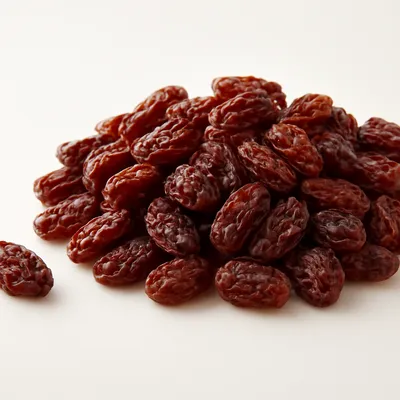
Cook crème pâtissière from milk, sugar, egg yolks and cornflour until thick; cover and cool completely. Soak the raisins in warm rum or water and drain.
Watch outCook the crème pâtissière until it's thick enough to hold its shape — a runny cream weeps and soaks the coils soggy in the oven.
- 310 min
Roll the laminated dough into a rectangle, spread an even layer of cold crème pâtissière and scatter the raisins over it.
- 430 min
Roll the sheet up tightly into a log and chill briefly, then slice into rounds about 2 cm thick.
- 590 min
Set the coils cut-side up on lined trays, cover and prove until visibly puffy.
Watch outProve the coils until visibly puffy before baking — under-proofed and they bake up tight and dense instead of light and open.
- 622 min
Egg-wash and bake at 190°C until golden and cooked to the centre, about 18 to 22 minutes.
- 78 min
Brush the hot coils with warmed apricot glaze and cool on a rack.
Archive tool suggestions — not reviewed
These legacy suggestions have not been evidence-reviewed and are not presented as required tools.


