
A hot chocolate soufflé is a classic of the French grande-cuisine and bistro dessert repertoire: a dark, bittersweet chocolate base lightened with whipped egg whites and baked in a buttered, sugared ramekin until it rises into a tall, fragile cloud. The interior stays just-set to barely molten while the crown puffs well above the rim. It is built to be eaten the moment it leaves the oven, because it begins to sink within a couple of minutes. Usually served on its own, dusted with cocoa or icing sugar, or split open at the table and flooded with crème anglaise.




The soufflé as a codified French form is credited to the early-nineteenth-century chef Marie-Antoine Carême (1784–1833), who developed and popularised it within French haute cuisine; his published works of the 1820s helped fix the technique in the classical repertoire. The name comes from soufflé, the past participle of the verb souffler, 'to blow' or 'to puff'. No single inventor of the chocolate version is reliably documented — it is simply one of the classic sweet soufflés, alongside vanilla, lemon and liqueur versions, and has long been an everyday restaurant dessert in France. It should not be confused with the fondant or moelleux au chocolat, which are dense, molten-centred cakes rather than risen egg-white foams.
The first spoonful is dark and intensely bittersweet, the chocolate carrying a faint warmth rather than sweetness. The risen top is airy and slightly crusted; the centre, depending on the bake, ranges from just-set and mousse-like to barely molten and spoonable. A pour of cold crème anglaise or a quenelle of vanilla ice cream against the warm soufflé is the classic counterpoint of temperature and texture. There is a brief window — a minute or two — before it settles and loses its drama.
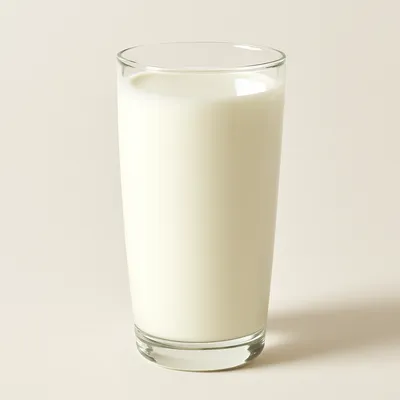
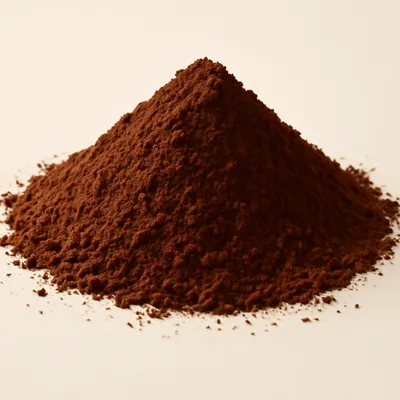
A soufflé rises by combining a flavoured base with a protein foam. The base here is a chocolate mixture — dark chocolate and butter melted together, often loosened with a little milk and egg yolk, sometimes thickened with a touch of cornstarch for stability. The lift comes from egg whites whipped to a stiff foam: beating unfolds the albumen proteins so they trap air, and sugar added near the end stabilises the bubble walls. The whites are folded in gently to avoid knocking the air out; over-beaten whites turn grainy and leak liquid, while under-beaten whites give too little lift. In the oven (roughly 190–200°C) the trapped air expands and the water turns to steam, inflating the batter, while the egg proteins coagulate — ovalbumin begins to set near 63°C — to lock the puffed structure in place. The ramekin is buttered and coated with sugar so the batter has grip to climb the walls. It deflates because, once out of the oven, the steam condenses and the air cools and contracts faster than the still-soft protein web can hold, so the structure sags — which is why it must be served immediately, and why the oven door is never opened mid-bake, since a rush of cold air collapses the rise.
Variations
A popular trick is to bury a nugget of chocolate ganache or truffle in the centre so it melts into a molten core as the soufflé bakes — a coulant effect, though the true fondant or moelleux au chocolat is a separate, denser cake and not a soufflé. The chocolate base is often scented: orange zest or Grand-Marnier, coffee or espresso, or a little chilli. Service ranges from individual ramekins to one large soufflé brought whole to the table, paired with crème anglaise, vanilla ice cream, or a warm chocolate sauce.
On the Palate
Where Soufflé au Chocolat sits in the French flavor cloud
Ingredients
Serves 4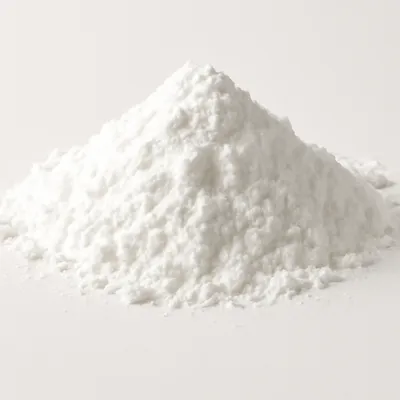

How it's made
7 steps · 25 min active + 5 min waiting
- 18 min
Generously butter four ramekins, then coat the insides fully with sugar (or cocoa powder), tipping out the excess; chill them so the coating sets. Heat the oven to 190°C with a baking tray inside.
Watch outButter the ramekins bottom-to-rim and coat with sugar, then chill — those upward grooves give the soufflé something to climb; a slick or bare wall and it can't rise.
- 26 min
Melt the dark chocolate with the butter over a bain-marie or gently in the microwave, stirring smooth. Let it cool slightly, then beat in the egg yolks (and the milk and cornstarch, if using) to a glossy, thick base.
- 35 min
In a clean, grease-free bowl, whip the egg whites with a pinch of salt to soft peaks, then add the sugar in stages and whip to stiff, glossy peaks that hold their shape.
Watch outWhip the whites to stiff, glossy peaks that hold their shape — over-beaten they go grainy and weep, under-beaten they give too little lift.
- 43 min
Stir a spoonful of the whites into the chocolate base to loosen it, then fold in the rest in two or three additions, cutting and turning gently to keep the air and stopping while a few streaks remain.
Watch outFold the whites in gently and stop while a few streaks remain — every stir past that knocks out the air that makes it rise.
- 52 min
Spoon the batter into the prepared ramekins right to the rim, level the tops with a palette knife, and run a thumb around the inside edge to help the rise.
- 614 min
Bake on the hot tray at 190°C for about 12–15 minutes, without opening the door, until risen well above the rim with a set top and a slight wobble.
Watch outBake without opening the door until risen well above the rim with a set top and a slight wobble — open it early and the cold draft collapses it.
- 71 min
Serve immediately — dust with cocoa or icing sugar and bring to the table at once, with crème anglaise or ice cream alongside, before the soufflé begins to sink.
Archive tool suggestions — not reviewed
These legacy suggestions have not been evidence-reviewed and are not presented as required tools.


