




Camembert itself is documented from Normandy in 1791, when farmer Marie Harel of the village Camembert produced the cheese using a recipe reportedly given by a refugee priest from Brie during the French Revolution. Baking the wheel whole is a much later home format — popularized in the 1980s as the wooden Camembert box (introduced in 1890 for shipping the cheese to Paris) became a ready-made oven vessel, turning a sit-down cheese course into a shareable hot dish.
Camembert dates to 1791 Normandy — farmer Marie Harel of Camembert village, recipe reportedly from a Brie-region refugee priest. Baking in the wooden box (introduced 1890 for Paris shipping) is a 1980s home format.
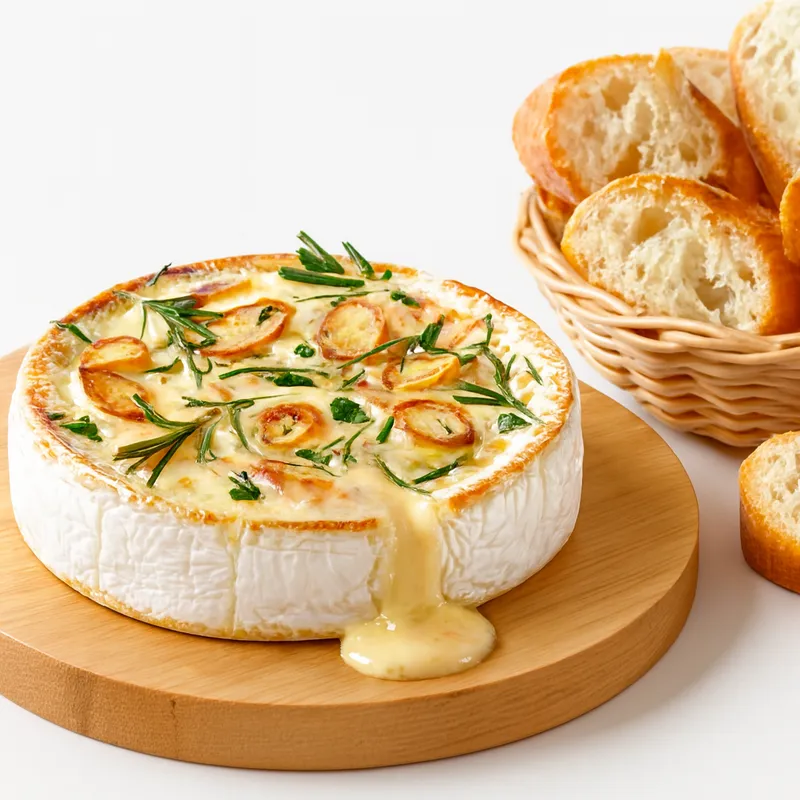
A whole wheel of Camembert in its wooden box, top rind scored and studded with garlic and rosemary, baked until the inside collapses to a molten pool you scoop with bread. The exterior bloom-rind stays intact and chewy; the interior is past liquid, almost foamy. Funky, ammonia-edged, deeply lactic. Eat it within ten minutes of leaving the oven — once it sets back up the texture is gone.
The wooden box is functional, not decorative. The poplar-wood box can take 180°C briefly, contains the molten cheese as the rind ruptures, and adds a faint smoke note. A wheel transferred to a metal dish loses the wood-smoke layer and tends to leak; in glass it boils too aggressively. And the cheese must be unpasteurized lait cru if available — pasteurized Camembert never reaches that ammonia-funk peak because the surface flora are killed off.
Variations
Mont d'Or is the Jura cousin baked in its spruce hoop; baked Brie de Meaux runs softer and milder; the Alsatian munster-au-four version subs in the funkier washed-rind cheese with cumin.
On the Palate
Where Camembert au Four sits in the French flavor cloud
Bake the whole wheel in its poplar-wood box at 180°C just until molten and bubbling — the box contains the leak and lends faint smoke, and pulling it at the melt point (about 15 minutes) keeps it spoonable instead of split and greasy.
Ingredients


How it's made
4 steps · 27 min
- 15 min
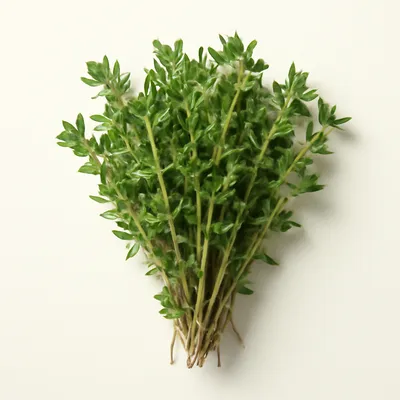
Preheat your oven to 180°C (350°F). Slice a thin layer off the top rind of the Camembert, revealing the creamy interior. Stud the cheese with slivers of garlic and sprigs of rosemary and thyme.
Watch outSlice off only a thin skin of rind — cut too deep and the melt escapes; the garlic and herbs should sit just under the surface.
- 22 min
Place the Camembert in a small baking dish, then pour a splash of white wine around it. The aroma will infuse the cheese as it bakes.
- 315 min
Bake in the preheated oven until the cheese is molten and bubbling, its surface lightly golden, about 15 minutes. The fragrance should be rich and inviting.
Watch outWatch for the center to sag and the surface to shimmer with tiny bubbles — that soft wobble is the doneness cue, not deep color.
- 45 min
Serve the baked Camembert immediately with slices of crusty bread, drizzled with honey and sprinkled with crushed walnuts for a sweet, nutty contrast.
Watch outServe at once while it flows; let it sit and it stiffens back into a rubbery disc within minutes.
Archive tool suggestions — not reviewed
These legacy suggestions have not been evidence-reviewed and are not presented as required tools.