






Tripoux are the specialty of Saint-Chély-d'Aubrac and surrounding villages on the Aveyron-Cantal-Lozère border. They emerged as utilitarian cuisine — sheep were raised for milk and wool, the offal was preserved by long braising. The breakfast tradition is real and odd: market-day Aubrac villagers eat tripoux at 8 or 9 a.m. with a glass of red wine, a custom that ties to the long-cook overnight schedule (the pot went into a wood oven the previous evening, was ready at dawn).
Saint-Chély-d'Aubrac specialty on the Aveyron-Cantal-Lozère border. Market-day villagers eat them at 8 a.m. with a glass of red — tied to overnight wood-oven schedules. Sheep tripe (not lamb), white wine (not red) — long oxidation of red turns the sauce muddy across 8 hours.
Each parcel is the size of a fist, deep-amber outside from the long braise, the string still on. Cut it open and the stuffing inside is fragrant with garlic, parsley, ham — almost like a tight farce. The tripe wall is yielding, faintly grainy, nothing rubbery — 8 hours has done its work. Sauce is dark, glossy, wine-acidic with carrot sweetness. Distinct from Provençal pieds-paquets which uses lamb tripe and tomato heavy; Auvergnat tripoux are sheep, drier, more wine-forward.
Tripe is mostly collagen — 8 hours at a bare 90°C simmer is what it takes for the collagen to convert to gelatin without the muscle becoming chalky. Faster braising at high heat will soften the surface but leave the core rubbery. The string isn't decorative — once collagen converts, the parcel relaxes completely and would unravel without it. White wine, not red, because the long oxidation of red would turn the sauce muddy and bitter; white acid stays bright through 8 hours.
Variations
Saint-Chély-d'Aubrac canonical (sheep, white wine); Naucelle version with veal foot added; Provençal pieds-paquets (lamb, tomato-heavy) is the southern cousin; Lyonnais tablier de sapeur is the breaded fried tripe alternative.
On the Palate
Where Tripoux sits in the French flavor cloud
Ingredients
Serves 6



How it's made
6 steps · 1 hour active + 9 hours waiting
- 120 min
Soak 1.2kg pre-cleaned sheep tripe in cold water 2 hours, changing water twice. Blanch 10 minutes in salted water; drain, scrape any membrane off the smooth side. Cut into 12 squares of about 12×12cm.
Watch outEnsure the tripe is thoroughly cleaned to avoid any residual odor.
- 210 min
Mince stuffing: 200g raw cured ham, 150g sheep tripe trimmings, 4 garlic cloves, large bunch parsley (50g), 5g black pepper, 2g grated nutmeg, no salt (the ham brings it). Mix.
- 315 min
Place 2 tablespoons stuffing on each tripe square. Fold the four corners over the centre to form a parcel. Tie with kitchen string — a single cross-knot — into a 6cm cube.
Watch outTie each parcel snug with a real cross-knot — once the collagen melts the bundle goes completely slack and will fall open without the string holding it.
- 415 min
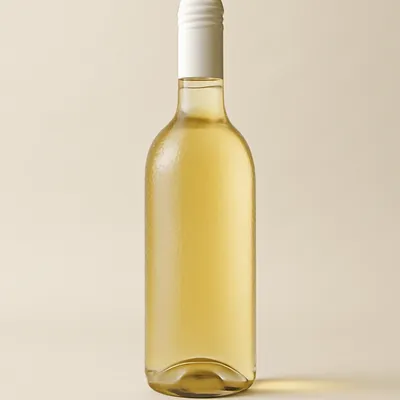
Brown the parcels in 30g goose fat in a heavy Dutch oven, 4 minutes per side. Remove. Sauté 2 sliced carrots, 2 onions, 3 garlic cloves, 1 leek; deglaze with 750ml dry white wine. Reduce 5 minutes.
Watch outBrown the parcels well on each side, then deglaze with dry white, not red — white keeps the sauce bright over the long cook, red turns it muddy and bitter.
- 5510 min
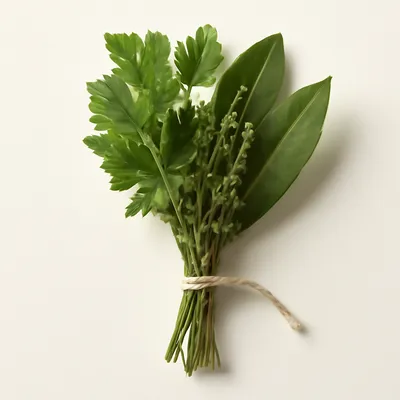
Return parcels. Add 200g chopped tomato, bouquet garni, water to barely cover. Bring to a bare simmer, cover, transfer to a 130°C oven for 8 hours. Top up water if needed. Reduce sauce uncovered for the last 30 minutes if loose.
Watch outHold it at a bare whisper of a simmer for the full 8 hours — let it boil hard and the tripe goes chalky and rubbery instead of melting to gelatin.
- 65 min
Serve 2 parcels per person on boiled potatoes, sauce spooned over, the string left on (diners cut it). Traditional with a glass of red Marcillac at 9 a.m. on market day.
Archive tool suggestions — not reviewed
These legacy suggestions have not been evidence-reviewed and are not presented as required tools.



