


Auvergnat
Aligot: stretched-cheese mash.
Wild Cherry Clafoutis
A rustic French dessert featuring a custard-like batter poured over fresh wild cherries and baked until golden
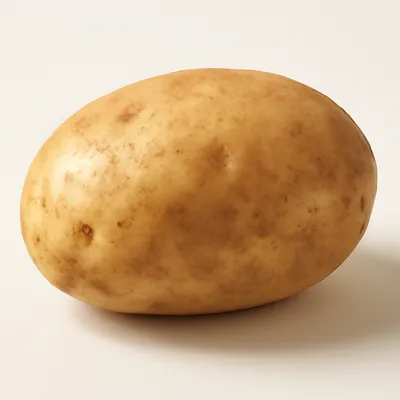
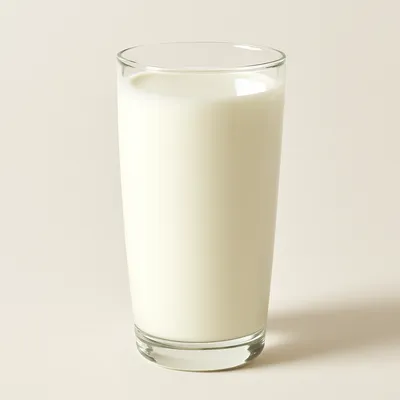
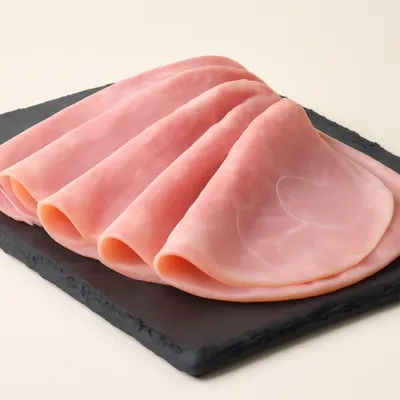
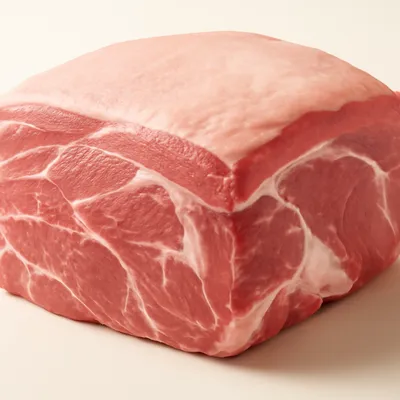
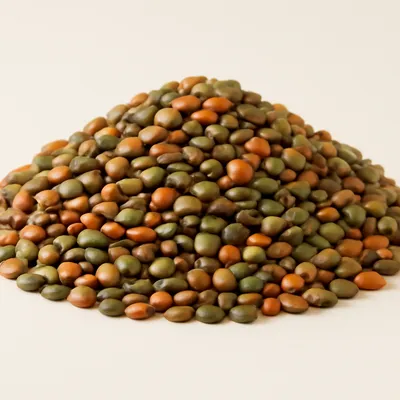
View page →Auvergne is central France's volcanic highland — Massif Central — and the cuisine is shaped by cold mountains, cattle pastures, and the legendary cheeses — five PDO cheeses come from here (Bleu d'Auvergne, Cantal, Saint-Nectaire, Fourme d'Ambert, Salers), making up about a quarter of all France's PDO cheeses; of these, Bleu d'Auvergne and Fourme d'Ambert are the great blues, while Cantal, Saint-Nectaire and Salers are pressed cow's-milk cheeses. Aligot is the regional spectacle: mashed potatoes beaten with fresh tomme cheese until the mixture stretches a meter when lifted — eaten at communal tables. Truffade is the rustic potato-cheese gratin. Petit salé aux lentilles vertes du Puy — cured pork belly with the green lentils that have their own PDO. Tripoux are stuffed sheep tripe parcels. The cuisine is mountain-cheese-anchored, potato-rich, and the most-pastoral of French regional kitchens. The Auvergnat diaspora ran most Paris cafés in the 19th century — the cuisine fed early Paris.
The Palate
Start Here
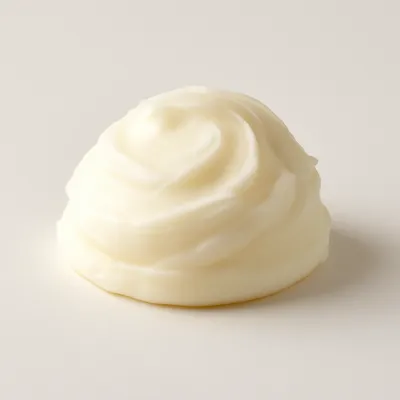
Mashed potatoes whisked vigorously with fresh tomme cheese, garlic, and cream over low heat until the mixture stretches a meter when lifted. Served from giant communal pots at festivals.
Why start here · Aligot is the dish you eat at an Auvergne village festival — the cook lifting cheese-potato ribbons a meter high is the photographic moment.
Sliced potatoes pan-fried with bacon and shallots, layered with sliced fresh Cantal cheese, cooked covered until everything melts together into a thick golden cake. The Auvergnat farmer's lunch.
Why start here · Truffade is what Auvergnat farmers eat after a morning in the cold mountains. The Cantal cheese and the slow-pan method are the simple genius.
The Pantry






See all 65 ingredients›






















How They Cook
Techniques that define this cuisine
Kindred Kitchens
Cuisines built on the same signature ingredients
Other regions
Siblings within French — each its own tradition.


