The great winter one-pot of the Auvergne: a whole Savoy cabbage and a mix of salted and fresh pork cuts — shoulder, hock, a piece of belly — with a coarse country sausage, all simmered slowly with carrots, turnips, leeks and potatoes in one broth. The meats and vegetables are cooked and served together, the broth often eaten first as a soup over bread. It is filling farmhouse food, built to feed a table through the cold months from what the smallholding's salting tub and garden provided.






A peasant pot dish of the Auvergne in the volcanic Massif Central, where every farm kept a salting tub and a kitchen garden. The potée is the regional form of a family of one-pot boiled dinners found across rural France; the Auvergne version leans on the salt pork of the smallholding and a coarse fresh sausage, with cabbage and root vegetables as the bulk. It differs from the better-known potée lorraine chiefly in its meats: the Lorraine pot favours smoked shoulder and smoked sausage from the salaisons tradition of the east, while the Auvergnate uses salted rather than smoked pork. No single inventor or date attaches to so plain and old a country dish.
The broth comes out deep and porky, faintly sweet from the long-cooked root vegetables, carrying the slight funk of salt-cured meat. The cabbage is soft and silky, the salted pork tender to the point of falling off the bone, the sausage coarse and savoury. Everything tastes of everything else, melded by hours in one pot. It is plain, warming and heavy — eaten in big bowls with mustard and bread, the broth sometimes ladled first over a slice of stale loaf.
This is slow, gentle extraction in a single liquid. The salted and fresh pork cuts are full of collagen-rich connective tissue and bone; held just below a simmer for hours, that collagen dissolves into gelatin, turning the meat fork-tender and giving the broth its body and mouth-coating richness. Salt-cured pork is added with timing in mind — soaked or blanched first if very salty — so it seasons the whole pot without overwhelming it. The vegetables go in by cooking time, the cabbage, sausage and potatoes last so they hold their shape, the slower hock and shoulder first. Keeping the pot at a bare tremble rather than a rolling boil keeps the broth clear and the meat moist rather than stringy.
Variations
Households vary the cuts — a piece of salt-cured ham bone, a knuckle, sometimes a stuffed cabbage cooked in the same pot. White beans appear in some Auvergne versions to thicken the meal, and the related petit salé aux lentilles swaps cabbage for the green lentils of nearby Velay. The potée lorraine is the eastern cousin built on smoked meats; the garbure of Gascony is a similar cabbage-and-meat pot finished with preserved goose or duck. The broth is frequently served as a first course on its own, the meats and vegetables following.
On the Palate
Where Potée Auvergnate sits in the French flavor cloud
Ingredients
Serves 6


How it's made
8 steps · 40 min active + 2 hours 50 min waiting
- 120 min
If the salt pork is heavily cured, soak it in cold water for a few hours or blanch it briefly, then drain.
- 215 min
Put the salted and fresh pork cuts and the hock in a large pot, cover with cold water, bring slowly to a bare simmer and skim.
Watch outBring it up slowly and skim the scum well — a hard boil clouds the broth and toughens the pork instead of melting it tender.
- 360 min
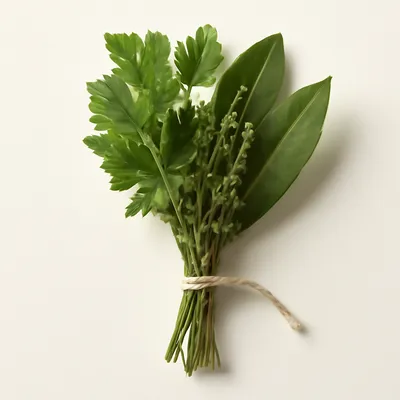
Add a studded onion, garlic, peppercorns and a bouquet garni; simmer gently for about an hour.
- 420 min
Add the carrots, turnips and leeks and continue simmering.
- 510 min
Quarter the Savoy cabbage, blanch it briefly to soften and remove bitterness, then add it to the pot.
- 640 min
Add the sausage and the potatoes and simmer until everything is tender and the meat pulls apart.
Watch outAdd the cabbage, sausage and potato last so they hold their shape while the slow hock cooks tender.
- 75 min
Lift out the meats and vegetables and keep them warm; taste the broth for salt.
- 85 min
Serve the broth first over bread if liked, then the sliced meats and vegetables with mustard.
Archive tool suggestions — not reviewed
These legacy suggestions have not been evidence-reviewed and are not presented as required tools.