Grumbeersupp is the Palatine potato soup, its name taken straight from the local dialect word for potato. Floury potatoes are simmered to collapse with soup vegetables (leek, celeriac and carrot), an onion and often a piece of smoked sausage or bacon, then seasoned with marjoram and served either chunky or part-pureed. What sets the Palatine version apart is what comes with it: it is famously eaten sweet-alongside, with Dampfnudeln (steamed sweet dumplings) or plum cake (Quetschekuche) on the side, the diner alternating a spoonful of savoury soup with a bite of cake. That savoury-sweet pairing is a regional signature and the reason it is not just another Kartoffelsuppe.



Grumbeersupp is old Palatine everyday cooking, for centuries a poor household's pot of potatoes and a few soup vegetables, and now a fixture of taverns, wine bars and forest huts across the Pfalz. The name comes from Grumbeer, the Palatine dialect word for potato: across the Palatinate, Baden and the Saarland the word for earth or ground is Grund rather than Erde, so from the 18th century the potato became the Grundbirne, the ground pear, contracting in dialect to Grumbeer and Grumbeere. The same Grundbirne even passed into Slovenian and Croatian as krompir. The dish has no single inventor; its distinguishing trait is the regional habit of eating it with something sweet, a Dampfnudel or a slice of Quetschekuche, alongside.
Served chunky, the soup is thick and homely, with soft pieces of potato and sweet vegetable in a starchy, faintly smoky broth; pureed, it is silky and almost creamy without any cream, the potato itself doing the thickening. Marjoram runs through it, and a piece of smoked sausage or bacon lays down a savoury, salty backbone. Then comes the surprise of the pairing: against the warm, earthy, savoury soup, a sugar-dusted Dampfnudel or a tart-sweet plum cake plays sweet off salty in the same mouthful. A squeeze of vinegar at the end brightens the whole bowl.
The soup thickens itself. Floury, high-starch potatoes shed amylose as they simmer and break down; that released starch gelatinises in the hot liquid and gives the broth body, which is why a partial puree turns it creamy with no cream or flour added. Sweating the leek, onion, celeriac and carrot first draws out their sugars and builds a savoury base, and a piece of smoked sausage or bacon donates salt, fat and smoke to the broth as it simmers. Marjoram, added toward the end, keeps its volatile aromatics. The famous sweet partner works on flavour contrast and palate-cleansing: the cake's sugar and acidity reset the palate between spoonfuls, the same logic behind any sweet-and-salty pairing.
Variations
Texture is the first choice: left chunky and rustic, mashed coarsely, or blended smooth. The smoked meat may be sausage, bacon or left out entirely for a leaner soup, and some cooks finish it with a splash of vinegar or a little cream. The sweet accompaniment varies with the season, a Dampfnudel year-round or Quetschekuche when the local Palatine plums ripen in late summer. Beyond the Palatinate the same potato soup goes by other dialect names, but the sweet-alongside service marks out the Palatine one; a plain bowl with bread or croutons is the everyday version.
On the Palate
Where Grumbeersupp sits in the German flavor cloud
Ingredients
Serves 4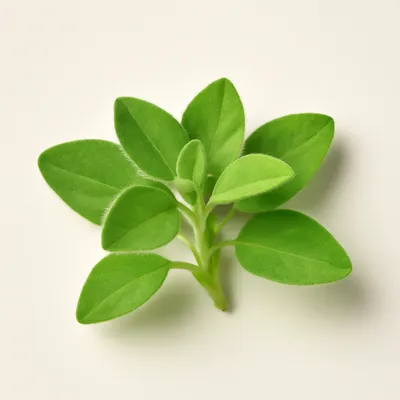


How it's made
8 steps · 25 min active + 35 min waiting
- 115 min
Peel and dice the floury potatoes; clean and chop the leek, celeriac, carrot and onion.
- 210 min
Sweat the onion, leek, celeriac and carrot in a little butter or bacon fat until soft but not coloured.
- 35 min
Add the diced potato and a piece of smoked sausage or bacon, then pour in the vegetable stock to cover.
- 430 min
Simmer gently for about 25 to 30 minutes until the potatoes are completely soft and starting to fall apart.
Watch outSimmer until the floury potatoes go completely soft and start to fall apart — that's when they shed the starch that thickens the broth.
- 510 min
Lift out the sausage or bacon, slice it, and partially puree the soup or mash it coarsely for a thicker body, leaving some chunks.
Watch outMash only part of the pot for body, leaving some chunks — the released starch makes it creamy without any cream or flour.
- 65 min
Return the sliced meat, season well with marjoram, salt and white pepper, and brighten with a splash of vinegar if you like.
- 720 min
Meanwhile prepare the sweet side, steaming Dampfnudeln or cutting the Quetschekuche.
- 85 min
Ladle the soup into bowls and serve with the Dampfnudel or plum cake alongside.
Archive tool suggestions — not reviewed
These legacy suggestions have not been evidence-reviewed and are not presented as required tools.



