

Gascon
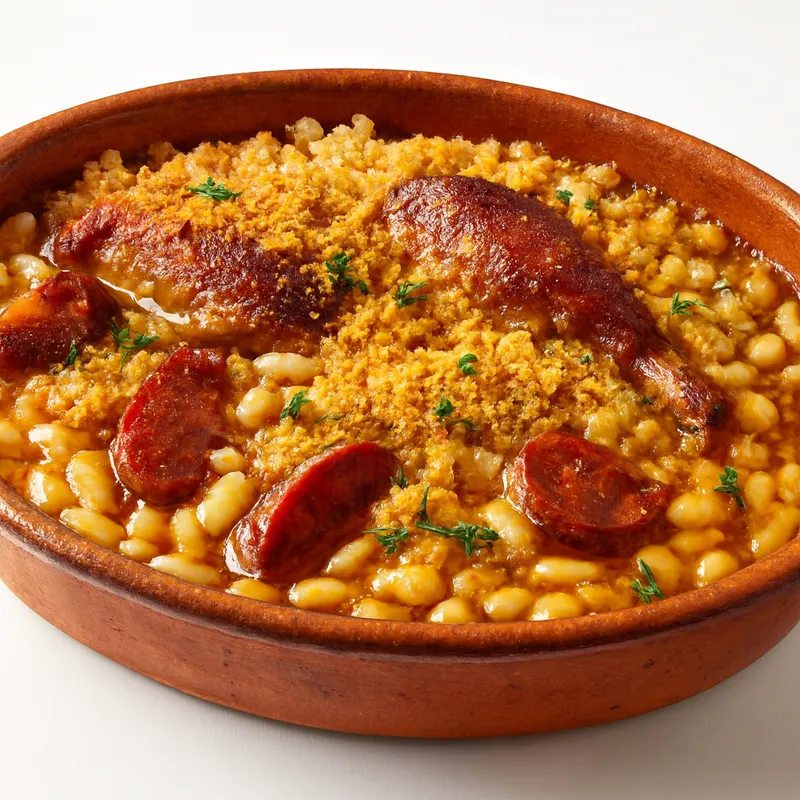
Cassoulet: bean-and-duck-confit.
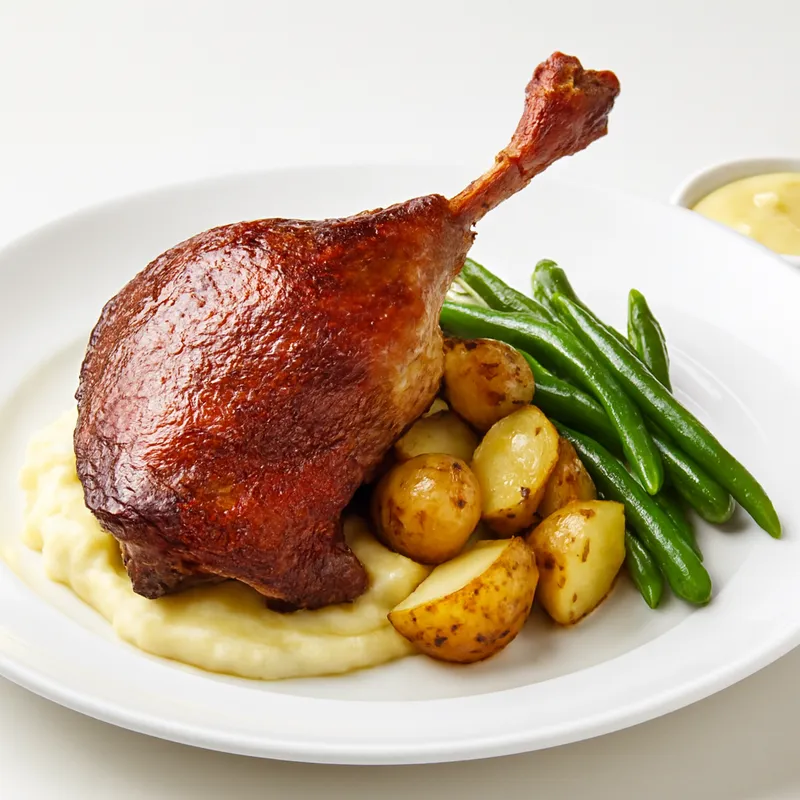
Duck Confit
French preserved duck legs slow-cooked in their own fat until fork-tender, then crisped to golden perfection
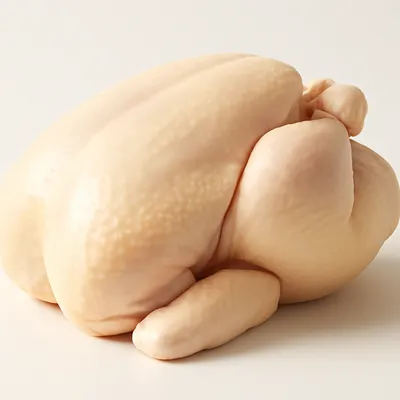
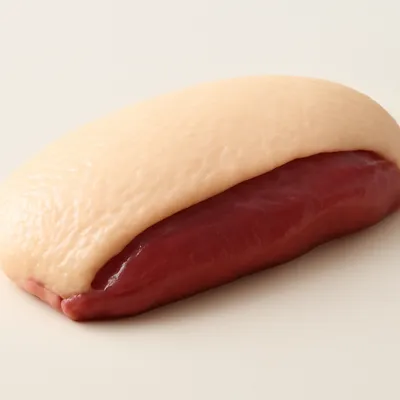
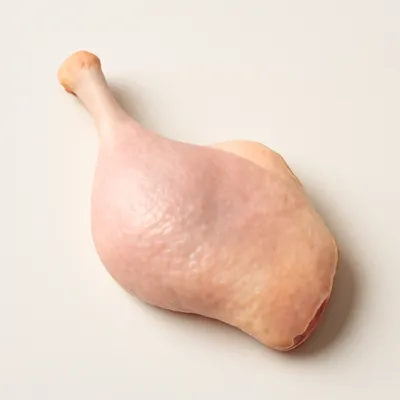
View page →Gascony is southwest France, between the Pyrenees and the Atlantic — duck country, bean country, Armagnac country. Cassoulet — white beans slow-cooked with confit duck leg, sausage, pork, and a breadcrumb crust that's stirred down 7 times during cooking — is eaten across the southwest but is properly a dish of neighboring Languedoc, not Gascony: Castelnaudary, Carcassonne, and Toulouse each claim the original (the dispute is unsettled and beloved). Confit de canard — duck legs cured in salt, then poached in their own fat for hours, then stored in fat for months — is the Gascon technique that preserves meat through winter; reheating crisps the skin. Foie gras (fattened duck or goose liver) is the holiday luxury. Magret de canard (duck breast, sliced thin like steak) is the everyday dish. The cuisine is duck-fat-anchored, bean-rich, and the most-rustic of French regional cooking.
The Palate
Start Here
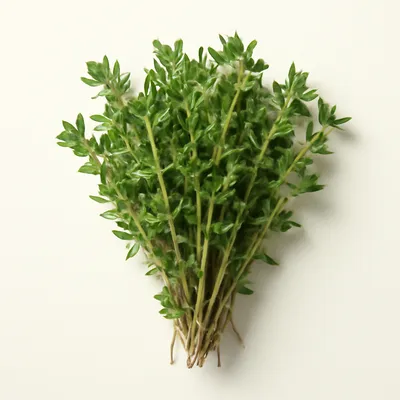
Duck legs cured 24 hours in salt, garlic, and thyme, rinsed, then poached for 2-3 hours in their own rendered duck fat at 90°C. Stored submerged in fat for months. Crisped in a hot pan to serve.
Why start here · Duck confit is winter food technology made into delicacy — preservation through duck fat. The skin-crisp from the final pan-fry is the test.
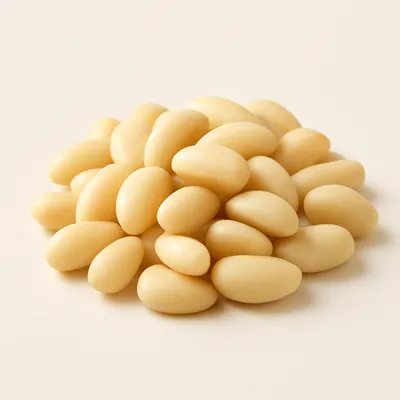
Tarbais white beans slow-cooked with confit duck leg, Toulouse sausage, pork shoulder, and a breadcrumb crust pressed-and-broken-and-restored 7 times. Baked 3-4 hours in a wide clay cassole dish.
Why start here · Cassoulet is the Gascon mountain. Three towns claim it; all three are right. The 7-crust-break ritual is what distinguishes a true cassoulet from a bean stew.
The Pantry





See all 65 ingredients›













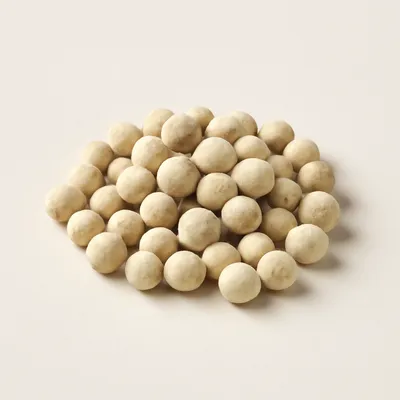
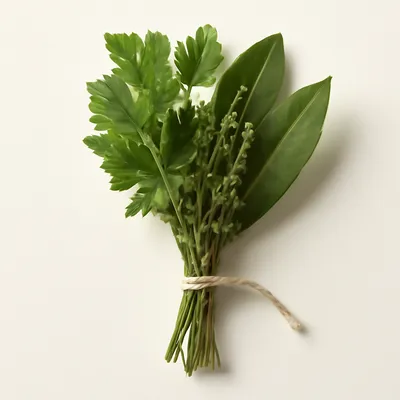
Grains & Staples
















How They Cook
Techniques that define this cuisine
Kindred Kitchens
Cuisines built on the same signature ingredients
Other regions
Siblings within French — each its own tradition.


