
A rustic garlic soup from the Southwest of France — Périgord, Gascony, and Quercy — built on garlic, and often onion, slowly sweated in duck or goose fat, simmered in water or stock, and thickened with egg. The yolks are tempered into the hot broth for body, while the whites are sometimes trickled in to set in fine threads. A splash of vinegar lifts it at the end, and the soup is ladled over slices of stale country bread in the bowl. It is everyday peasant food, not restaurant cooking, and many cooks use a dozen or more cloves of garlic per pot.



Tourin is the everyday soup of southwestern France, documented above all in Périgord (the Dordogne) and across Gascony, Lot-et-Garonne, and the Tarn-et-Garonne. The name appears in many spellings — tourin, tourain, tourrin, touril in the Rouergue, touri in Béarn — and derives not from any word for stirring but from Occitan tourar, 'to cook', itself from Latin torrēre, 'to grill or parch'; the same root gives Spanish turrón. The most famous form is the garlic tourin, but onion (tourin à l'oignon) and tomato (tourin à la tomate) versions are equally traditional, and there is a wedding tourin, the tourin des noces, that was long served to newlyweds. In the Périgord it was indeed the custom to bring a tourin to the bride and groom on their wedding night, and the soup is also eaten to revive after a long village feast.
Long, gentle cooking turns the garlic mellow and faintly sweet — nothing like the raw, acrid bite a clove gives off cold — so a soup carrying twenty cloves still tastes round rather than fierce. The broth is silky and savoury from the egg, the bread underneath soaks soft and almost dissolves into it, and a last splash of vinegar cuts through the fat with a clean, sharp lift. Done well it is warming and gently rich; done badly the garlic stays harsh and raw, or the egg is dropped into boiling broth and seizes into ragged curds, turning the soup into thin garlic water dotted with overcooked egg.
Sweating the garlic slowly in fat is what tames it: the volatile, pungent allicin compounds responsible for raw garlic's harshness break down and cook off with heat, while gentle browning and slow cooking coax out sweeter, rounder flavours. The thickening rests on the egg. Yolks are first slackened with a little vinegar or a ladle of hot soup, then stirred back in off the boil — tempering raises their temperature gradually so the proteins set into a smooth, velvety body. The cardinal rule is to keep the soup just below a simmer once the yolk goes in: at a rolling boil the egg proteins coagulate too fast and curdle into scrambled threads. The whites, by contrast, are trickled in deliberately so they do set into fine ribbons. The vinegar at the end balances the richness with acid, and the stale bread soaks up liquid to bulk and bind the bowl.
Variations
The garlic tourin is the best-known, but the onion version (tourin à l'oignon) and the tomato version (tourin à la tomate) are just as traditional, and a splash of white wine is sometimes added (tourin au vin). The white tourin, tourin blanchi, takes its name from the egg white: it is poached in the broth, lifted out and chopped, then returned to the pot along with the raw yolk and the vinegar — and where vinegar is used today, verjus was the old souring agent. A wedding tourin, the tourin des noces, was kept for newlyweds. The soup is closely tied to the Southwest custom of faire chabrol (also chabrot): you pour a little red wine into the last spoonfuls of hot soup left in the bowl and drink it straight from the bowl — chabrol in the Dordogne and Limousin, chabrot elsewhere in the region.
On the Palate
Where Tourin sits in the French flavor cloud
Ingredients
Serves 4
How it's made
8 steps · 15 min
- 18 min
Peel and thinly slice or crush a generous head of garlic, and finely slice the onion if using.
- 210 min
Melt the duck or goose fat in a heavy pot over low heat and sweat the garlic and onion gently until soft, golden, and fragrant, without browning hard.
Watch outSweat the garlic gently until soft, golden and sweet-smelling, without hard browning — slow heat cooks off the raw pungency; scorched garlic turns the soup bitter.
- 320 min
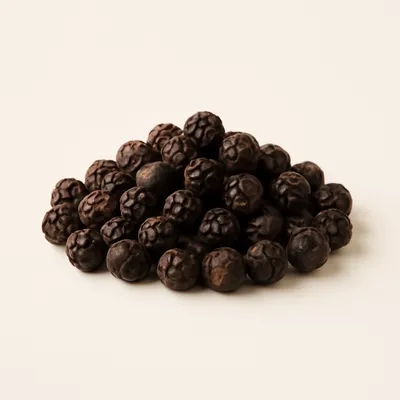
Pour in the water or stock, season with salt and pepper, bring to a simmer, and cook gently for about 20 minutes so the garlic mellows and sweetens.
- 44 min
Separate the eggs; if using the whites, trickle them into the simmering broth so they set into fine threads, then turn the heat down to below a simmer.
- 52 min
Beat the yolks with the vinegar in a bowl, then ladle in a little hot broth and whisk to temper them.
- 62 min
Stir the tempered yolks back into the pot off the boil, keeping it just below a simmer so the egg thickens the soup without curdling.
Watch outStir the tempered yolks back in off the boil and hold it just below a simmer — a rolling boil curdles the egg into threads instead of thickening the soup silky.
- 71 min
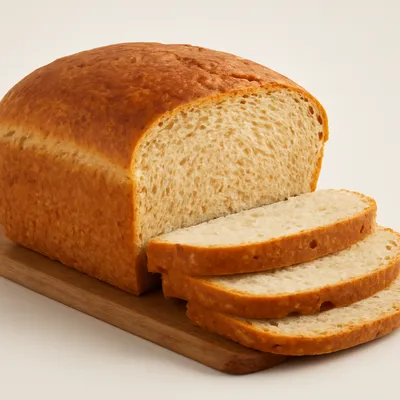
Place a slice of stale country bread in each bowl and ladle the hot soup over it.
- 81 min
Serve at once, leaving a little soup for those who wish to faire chabrol with a splash of red wine.
Archive tool suggestions — not reviewed
These legacy suggestions have not been evidence-reviewed and are not presented as required tools.


