
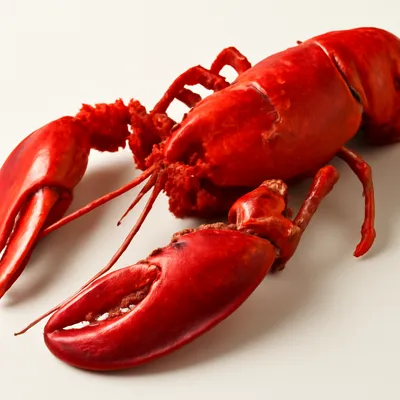
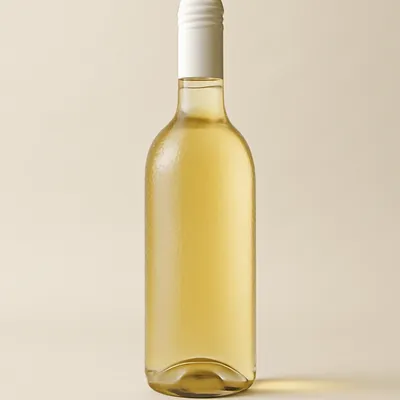
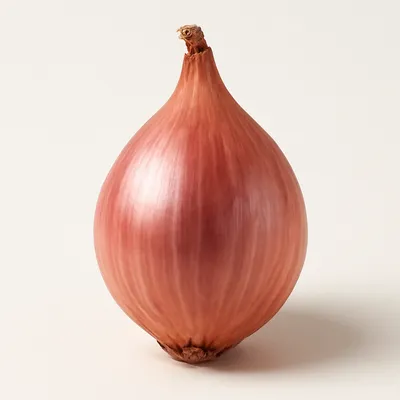
A grande-cuisine lobster dish in which live lobster is cut up, sautéed in oil and butter, flamed with cognac, then simmered in a sauce of tomato, white wine, shallot, garlic, fish stock and tarragon. The reserved coral and tomalley are whisked in at the end to enrich and thicken the sauce. It is served with the lobster still in the shell over rice or with the sauce alone. The bright tomato-and-cognac sauce sets it apart from the cream-and-mustard Thermidor.



The dish is generally dated to mid-19th-century Paris and credited to Pierre Fraisse, a French chef who had worked in the United States and opened a restaurant; he is said to have named a tomato-and-cognac lobster preparation 'à l'américaine' after his American clientele or his time abroad. The attribution is plausible but not firmly documented. A long-running debate holds that the name is a corruption of 'à l'armoricaine,' after Armorica (the old name for Brittany), since lobster is a Breton specialty — but most food historians reject this, noting the tomato, garlic and olive oil point to a Provençal-Mediterranean hand, not a Breton one. Escoffier codified the recipe in Le Guide Culinaire (1903).
Lobster pieces lacquered in a deep orange-red sauce, the shell stained and glossy, the meat sweet and firm where it pulls from the carapace. The sauce is rich and slightly thickened by coral, sharp with tomato, warm with cognac, finished green with chopped tarragon and parsley. You crack the shell at the table and use bread to chase the sauce. A sauce that tastes harshly of alcohol means the cognac wasn't flamed off properly.
Three techniques carry the dish. First, the lobster is cut live and seared hard so the shells release flavor into the oil — the carapace, not just the meat, builds the sauce base. Second, the cognac is flamed to burn off raw alcohol while keeping the toasted aromatics. Third, the raw coral (roe) and tomalley are mashed with butter and whisked in off the boil: their proteins and fat emulsify and lightly bind the sauce, the way egg yolk would, while deepening color and brininess. Boil after adding the coral and it curdles into grains.
Variations
The near-identical Breton 'homard à l'armoricaine' uses the same tomato-cognac method, fueling the naming dispute. Langouste (spiny lobster) is sometimes substituted. Some kitchens enrich the finished sauce with cream, blurring the line toward Thermidor. The leftover sauce, bound with rice, becomes the base for the classic 'riz à l'américaine.'
On the Palate
Where Homard à l'Américaine sits in the French flavor cloud
Ingredients
Serves 4


How it's made
7 steps · 1 hour active + 15 min waiting
- 115 min
Bring a live lobster to the board; cut the tail into rings, split the head, crack the claws. Reserve the green tomalley and any coral, mashed with soft butter.
- 28 min
Sear the lobster pieces shell-side down in hot oil and butter until the shells turn bright red; remove.
Watch outSear the pieces shell-side down until the shells turn bright red — the carapace, not just the meat, is where the sauce's flavor comes from.
- 36 min
Soften chopped shallot, garlic and a little carrot in the same pan; deglaze with cognac and flame to burn off the alcohol.
Watch outFlame the cognac to burn off the raw alcohol while keeping the toasted aroma — skip it and the sauce tastes sharply boozy.
- 418 min
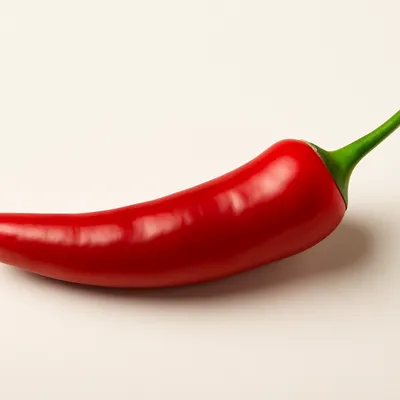
Add white wine, chopped tomato (or passata), fish stock, tarragon stalks and a pinch of cayenne; return the lobster and simmer 15–18 minutes.
- 510 min
Lift out the lobster and keep warm; reduce the sauce until it coats a spoon.
- 66 min
Off the heat, whisk in the coral-tomalley butter to thicken and enrich; do not let it boil. Finish with chopped tarragon and parsley.
Watch outWhisk in the coral butter off the heat and never let it boil — the roe emulsifies and binds the sauce like yolk, but boiling curdles it into grains.
- 74 min
Return the lobster to the sauce to glaze, and serve in the shell with rice or bread.
Archive tool suggestions — not reviewed
These legacy suggestions have not been evidence-reviewed and are not presented as required tools.


