
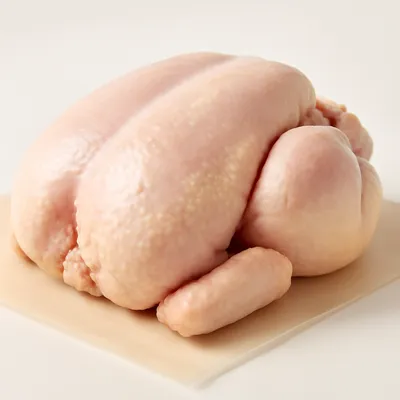
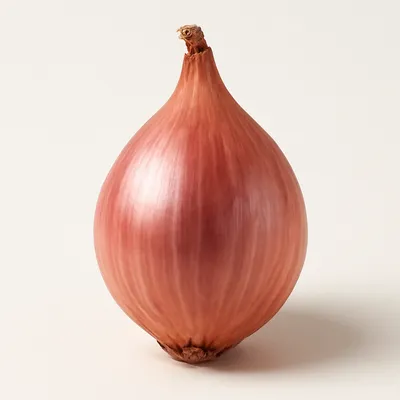
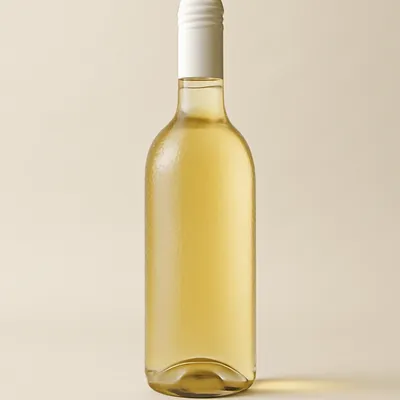
A Lyon bouchon classic: chicken jointed and browned, then braised with a good slug of red wine vinegar, white wine, shallots, and usually a little tomato, the sauce reduced until tangy and glossy and often finished with crème fraîche and a knob of butter. The vinegar — sharp at the start — cooks down into a mellow, rounded acidity that cuts the richness of the bird. It is spooned over the chicken with its sauce and served with potatoes, fresh pasta, or bread to mop the plate.



Poulet au vinaigre belongs to the bouchon tradition of Lyon — the small, hearty eateries that codified the city's everyday cooking — and its exact origin is unrecorded. It grew out of the same thrifty, taste-first home cooking the mères lyonnaises built their reputation on from the early 20th century: women, often of rural origin, who began as cooks for bourgeois families and then opened their own restaurants, turning humble cuts and pantry staples into Lyon's gastronomic identity. The most famous of them, Eugénie Brazier (1895–1977), opened La Mère Brazier in 1921 and in 1933 became the first chef to hold six Michelin stars; the young Paul Bocuse apprenticed in her kitchens in 1946. Bocuse later served a well-known poulet au vinaigre at his own restaurant near Lyon, helping carry the dish from the bouchon into the wider French repertoire, though it remains a bouchon staple rather than one person's invention.
Tender, juicy chicken under a sauce that reads tangy first and rich second — the bite of the vinegar present but rounded, never raw or harsh, balanced against butter or cream. The skin should keep some color from the initial browning, and the meat pull cleanly from the bone while staying moist. The sauce should be glossy and lightly thickened, enough to coat the back of a spoon; too little reduction leaves it thin and aggressively sour, too much butter or cream and the acid edge that defines the dish disappears.
The dish turns on taming the vinegar. Raw wine vinegar is a roughly 5–7% solution of acetic acid in water; acetic acid boils at about 118°C against water's 100°C, so as the sauce simmers the water goes off first and concentrates the flavor, while sustained heat gradually drives off and breaks down the acetic acid itself — the sharp, volatile edge mellows into a rounded, savory acidity. The vinegar also deglazes the pan, dissolving the browned fond into the sauce. At the finish the butter (or crème fraîche) is mounted in off or near the heat: emulsified butterfat coats the tongue and blunts the perception of acid, while whisking keeps the fat in suspension rather than splitting into oily droplets. Hard boiling after the cream goes in, plus the standing acidity, will curdle it, so the final mounting is gentle.
Variations
The simplest renditions, including the version associated with Paul Bocuse, lean on shallots and red wine vinegar alone, finishing with cream and butter; others add fresh tomato or a spoon of tomato purée for color and body. White wine or chicken stock is common alongside the vinegar to soften it further. Tarragon is the usual herb, though some cooks omit it. The vinegar itself is a variable — aged red wine vinegar is traditional, but sherry vinegar gives a nuttier note, and lighter versions use white wine vinegar. A few bouchons skip the cream entirely for a leaner, sharper sauce mounted only with butter.
On the Palate
Where Poulet au Vinaigre sits in the French flavor cloud
Ingredients
Serves 4


How it's made
7 steps · 15 min
- 110 min
Joint the chicken into 8 pieces and season with salt and pepper.
- 212 min
Brown the chicken skin-side down in butter and a little oil in a heavy pan until well colored on both sides, then remove.
- 38 min
Soften the chopped shallots in the same pan, then pour in the red wine vinegar and let it reduce until almost syrupy, scraping up the browned bits.
Watch outReduce the vinegar until almost syrupy, scraping up the fond — this cooks off the harsh volatile acetic edge and concentrates it to a rounded, savory acidity.
- 432 min
Add the white wine, chopped tomato, and a little stock, return the chicken, cover, and simmer gently until the chicken is cooked through and tender, about 30 minutes.
- 56 min
Lift out the chicken and keep it warm; reduce the sauce on a higher heat until lightly thickened and glossy.
- 65 min
Lower the heat and whisk in the crème fraîche and cold butter, a little at a time, warming through without boiling so the sauce stays emulsified.
Watch outWhisk the crème fraîche and cold butter in over low heat, warming without boiling — boil it and the emulsion breaks; you want a glossy, unified sauce.
- 73 min
Check the seasoning and the acid balance, return the chicken to coat in the sauce, and serve scattered with tarragon.
Archive tool suggestions — not reviewed
These legacy suggestions have not been evidence-reviewed and are not presented as required tools.



