Traditions
The bouchon tradition emerged in Lyon during the 17th century, shaped by the city's booming silk industry and its influx of workers craving hearty meals. These small, family-run establishments catered to the silk workers, offering simple yet satisfying dishes that were both affordable and filling. The name 'bouchon' is believed to derive from the French word for a bundle of twisted straw, which was used to indicate the tavern's presence. Over time, these humble eateries became synonymous with Lyon's culinary identity, emphasizing local ingredients and robust flavors.
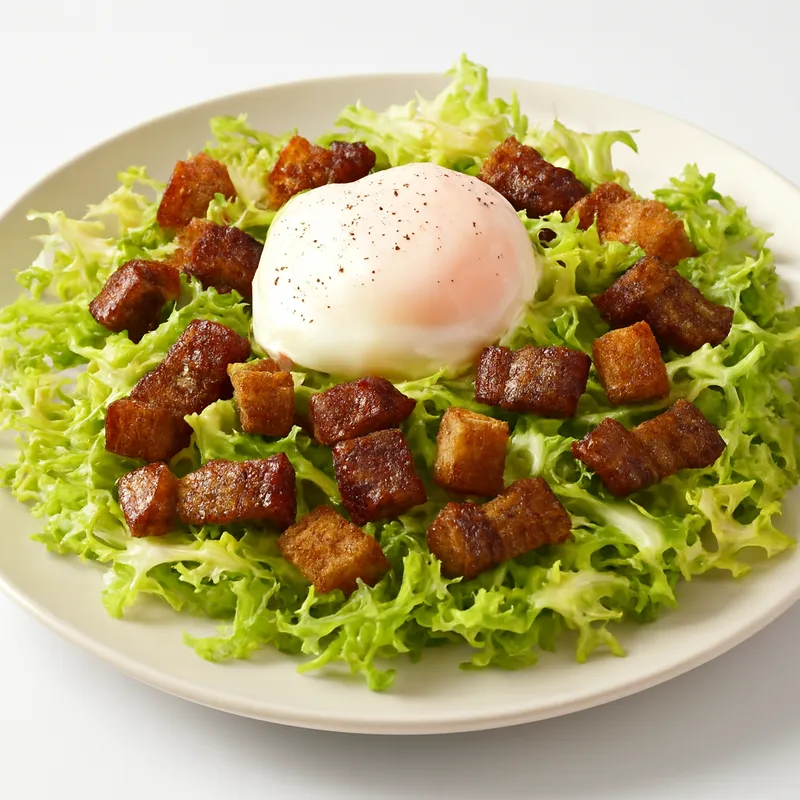
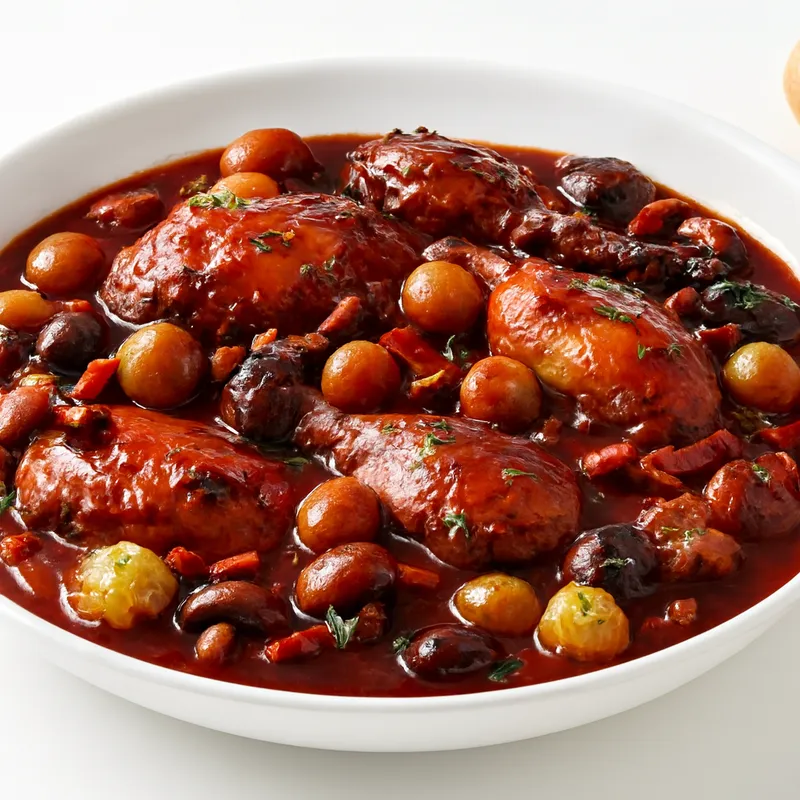
As the years passed, the bouchon became an emblem of Lyonnaise cuisine, attracting both locals and travelers eager to experience its authentic charm. While the concept has found imitators across France and beyond, the true bouchon remains a distinctly Lyonnaise institution. In contrast to other French dining experiences, it prioritizes warmth and conviviality over formal service. This unique atmosphere complements its offerings of traditional dishes like Salade Lyonnaise and Coq au Vin, each prepared with an unpretentious love for the craft.
How It Works
Lyon's worker-tavern architecture: a fixed midday meal (mâchon) of pork-heavy charcuterie, organ-based plats (tablier de sapeur, andouillette, gras-double), and Beaujolais by the pot. The cultural mechanism is total nose-to-tail economy — silk-canut wages forced cooks to convert pork stomach, tripe, and bone marrow into worker-grade lunches, which then ossified into AOC-protected canon.
In Practice
the craftPot lyonnais of 46 cl Beaujolais or Côtes-du-Rhône (the 46 cl thick-bottomed bottle prevents tipping on canut workbenches). Service: mâchon at 9-11h, lunch at 12h sharp, dinner one seating at 19h30. Eight to twelve covers max. Tablier de sapeur is breaded tripe; cervelle de canut is herb cheese, not actual brain. Failure mode: removing offal to appease tourists — Authentique Bouchon Lyonnais label (2012) requires 8 traditional dishes on the menu.





Through Time
Roots in 17th-century inns serving silk traders on the Rhône routes; the worker-canteen identity hardened with the 19th-century Croix-Rousse silk-canut strikes (1831, 1834). Paul Bocuse's 1965 Michelin three-star restaurant codified Lyonnais classicism upmarket; the Authentique Bouchon Lyonnais certification (2012) protects 20 founding houses including Daniel et Denise and Café des Fédérations.
Related cooking knowledge
Bistro is the Parisian counterpart — both feed workers, but bouchon is offal-forward and geographically locked to Lyon. Wine-braising (coq au vin, civet) and braising dominate the technique sheet. Curing and confit handle the pork pantry; the same charcuterie logic powers Zakuski's cold spread.


