


A peasant Sunday dish from Burgundy and across rural France — when an old rooster past its prime was the bird available to slaughter, a long red-wine braise was the only way to make him edible. "Coq" literally means rooster, not chicken. Documented since the 14th century but popularized into modern haute-cuisine canon by Auguste Escoffier (1903) and again by Julia Child's televised demos in the 1960s.
Old rooster, cheap red, slow time. The blood-thickened sauce was the original; modern versions use beurre manié as a cheat.
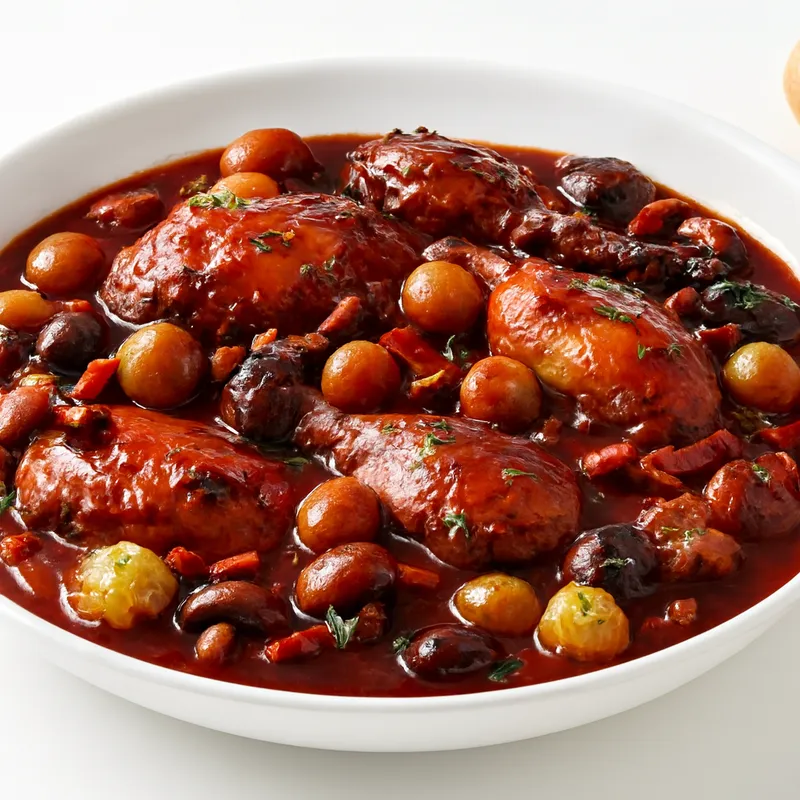
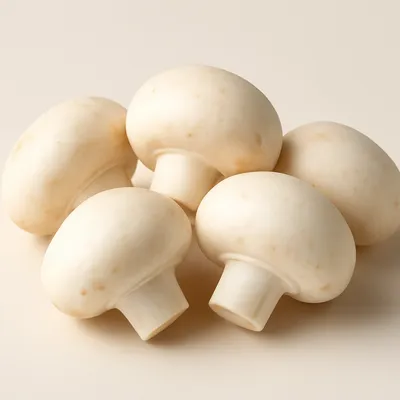
The chicken comes out polished-mahogany, in a pool of dark red-brown sauce thickened only by reduction and a final beurre manié. Pearl onions, glazed mushrooms, lardons — four supporting players. Bread or boiled potato to soak the bottom of the bowl. Sauce that runs thin means the reduction was rushed.
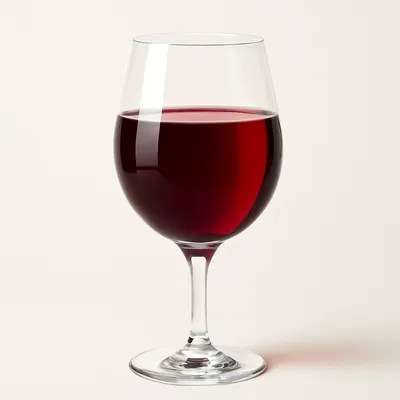
The wine isn't a flavor — it's the tenderizer. Tartaric acid in red wine breaks down collagen in old, tough rooster muscle over 3+ hours, turning sinew into gelatin. Modern cooks who use young chicken get a different dish: tender but missing the body. The acidity also blocks lipid oxidation, so leftover coq au vin is famously better the second day.
Variations
Coq au Riesling (Alsace, dry white) and Coq au Champagne (Reims) trade the red for regional wines; Coq à la Bière (Flanders) uses dark beer.
On the Palate
Where Coq au Vin sits in the French flavor cloud
Braise low and slow long enough for the wine's acid to turn tough collagen into gelatin — the wine is the tenderizer, not a flavoring, so rushing it leaves the meat tight and the sauce thin.
Ingredients




How it's made
6 steps · 1 hour 28 min
- 15 min
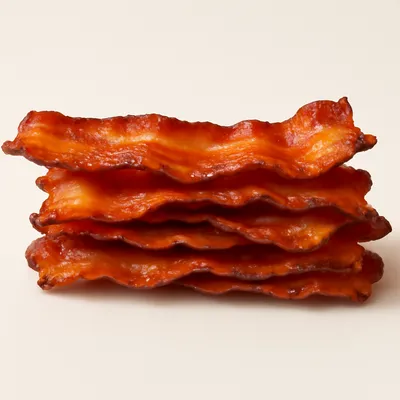
In a large Dutch oven, melt butter over medium heat until it foams. Add lardons and cook until they are golden and crisp, infusing the butter with smoky flavor.
Watch outThe butter should foam and just start to smell nutty before the lardons go in — that's your cue the fat is hot enough to crisp them.
- 215 min
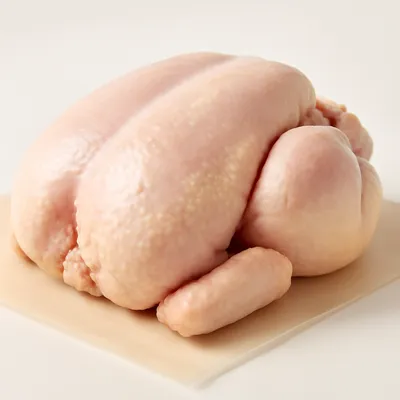
Season chicken pieces with salt and pepper, then dust lightly with flour. Sear them in the rendered fat until the skin is golden brown on all sides.
Watch outDon't move the pieces until the skin lifts freely and is deep golden — if it sticks, it isn't seared yet.
- 38 min
Add onions, garlic, and carrots to the pot, stirring to coat them in the flavorful fat. Cook until the onions are soft and fragrant.
- 45 min
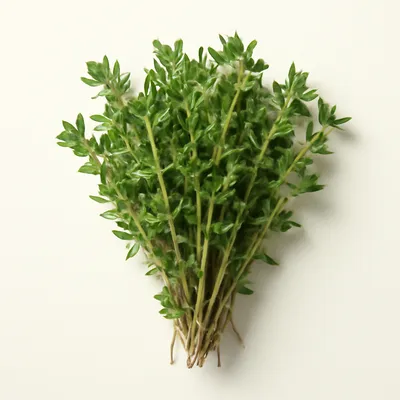
Pour in the red wine, scraping up any browned bits from the bottom of the pot. Add thyme and a bay leaf, allowing the mixture to come to a simmer.
Watch outScrape every browned bit off the bottom as the wine hits — those stuck flecks are where most of the flavor lives.
- 545 min
Return the chicken and lardons to the pot. Cover and simmer gently until the chicken is tender and infused with the wine's deep flavors.
Watch outThe braise is ready when a fork slides in with no resistance and the sauce coats the back of a spoon.
- 610 min
In the final 10 minutes, add mushrooms and allow them to cook until they are tender and the sauce has thickened slightly.
Archive tool suggestions — not reviewed
These legacy suggestions have not been evidence-reviewed and are not presented as required tools.