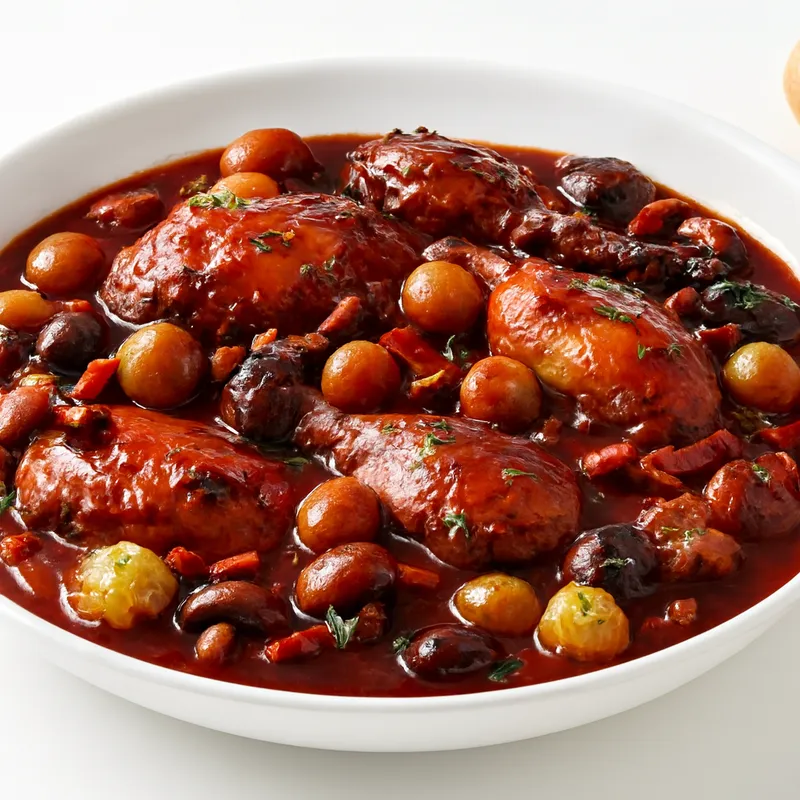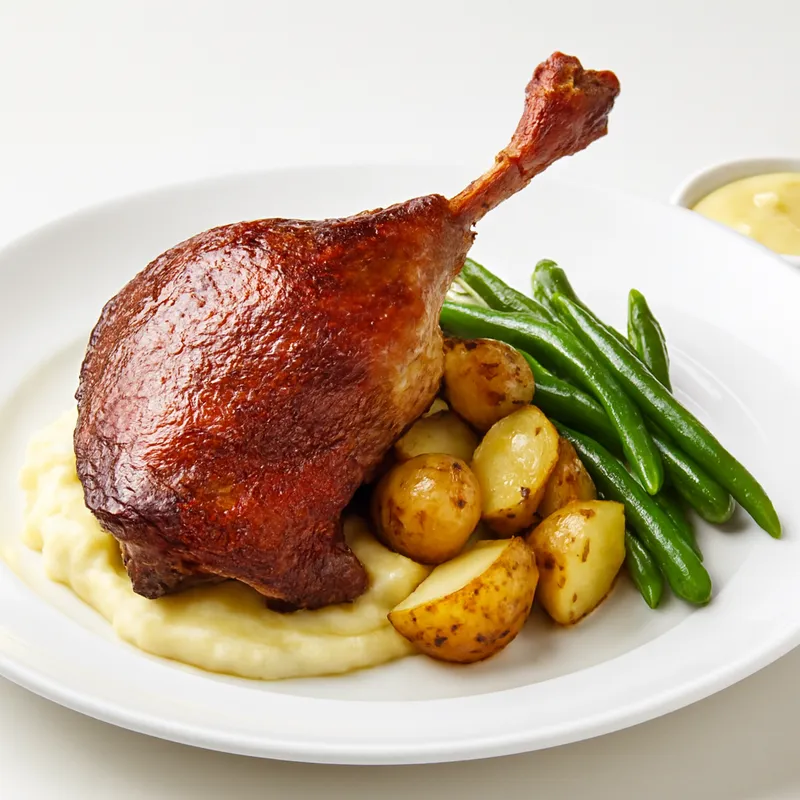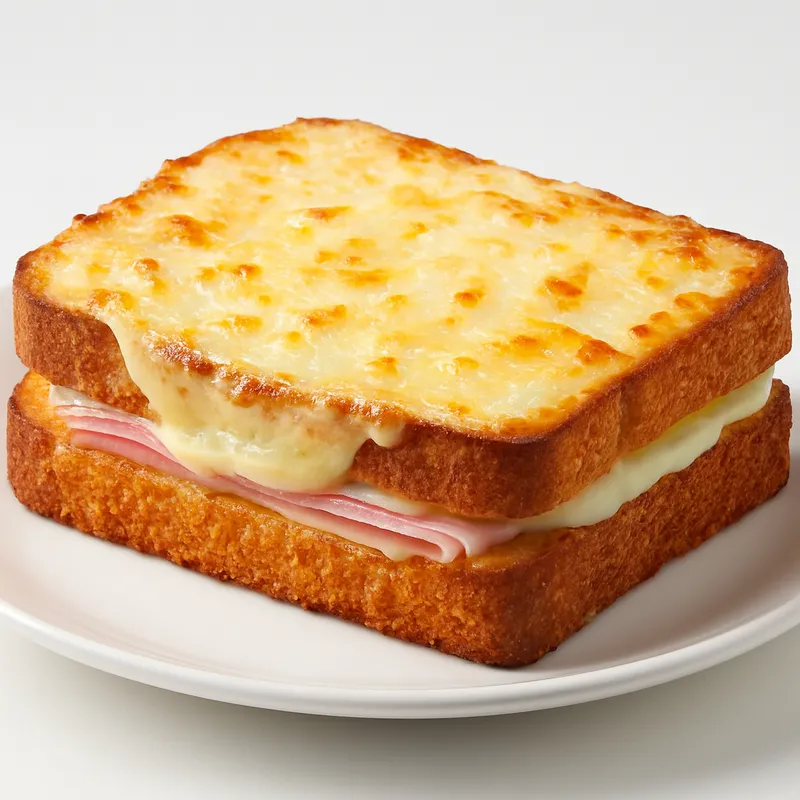
In Practice
Tables 60-70 cm wide, paper-covered, set with one knife/fork; service is the patron-owner plus 1-2 floor staff. Menu rotation: 6-8 entrées, 6-8 plats, 4-5 desserts, changed weekly with seasons. Wine by carafe (pichet) of 25/50 cl. Failure mode: too many menu items signals a non-bistro — a true bistro cannot execute 20+ plats from a 4-burner stove without quality collapse.
Background
As the 19th century unfolded in Paris, the city was a swirling hub of change and creativity. Amid the clatter of horse-drawn carriages and the hum of new electric lights, small, cozy eateries began to appear—bistros. These were places where the common folk and intellectuals alike gathered, drawn by the warmth of simple, yet refined meals. The word 'bistro' itself is believed to have roots in Russian soldiers' cries for 'bystro' or 'quickly,' during their occupation of Paris in 1814, urging for fast service in bustling locales.
Bistros spread across France as the idea of an accessible, informal dining experience took hold. While Paris remained the heart of the bistro culture, each region began to adapt the concept with local flavors and ingredients. In Lyon, the focus leaned towards hearty, meat-centric dishes, while coastal areas embraced seafood. The bistro evolved, but its core—a place for comfort and good company—stayed unchanged.
How It Works
A meal-architecture defined by chalkboard menu turnover, single-page wine list, and braise-forward cooking that converts cheap collagen-heavy cuts (paleron, jarret, joue) into tender protein via slow heat — economics drive the technique. Two-course minimum (entrée + plat or plat + dessert) with the plat doing the heavy structural work; bread and unsalted butter fill the negative space.


Through Time
Term first attested 1884 in Paris slang, possibly from Russian *bystro* ("quickly") shouted by 1814 Cossack occupiers — etymology contested. The model crystallized 1880s-1900s around Les Halles wholesale market workers needing fast hot meals. Curnonsky's 1921 *La France Gastronomique* canonized bistro cooking; Robert Courtine's 1980s columns in *Le Monde* defended it against nouvelle cuisine.
Related cooking knowledge
Bouchon is the Lyonnais cousin — same worker-feeding logic but offal-heavier and AOC-protected. Brasserie is bistro's larger sibling with continuous service and Alsace beer focus. Braising and wine-braising are the workhorse techniques; sauce espagnole sits in the kitchen as the bottom-shelf demi-glace base.