A warm emulsion of clarified butter, egg yolks, and a reduction of wine vinegar, shallots, and tarragon — a daughter sauce of hollandaise, distinguished by its tarragon-shallot aromatic base. The classic sauce for grilled or roasted red meat, particularly steak; named for the Bearne region of Henri IV, who was said to favor its flavors.


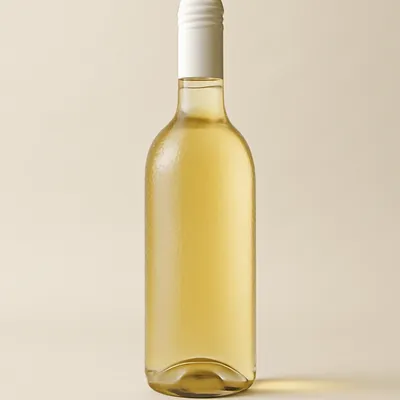
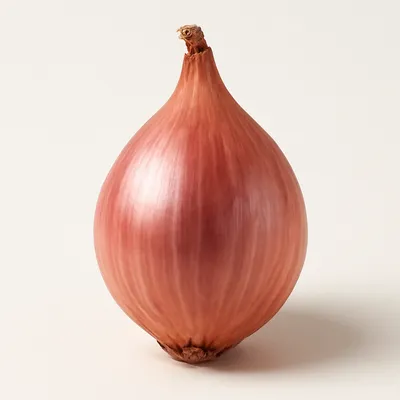

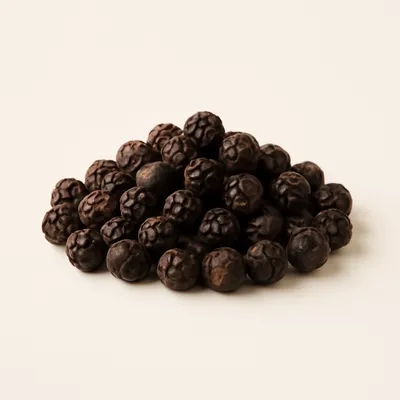
Sauce bearnaise is a warm emulsion sauce, a daughter of hollandaise, made by emulsifying clarified butter into egg yolks over gentle heat, with a reduction of white wine vinegar, shallots, and fresh tarragon providing the aromatic base. The sauce is named for the Bearne region of southwest France, the homeland of King Henri IV, who was said to favor tarragon and shallot flavors. The most often cited attribution credits the chef Collinet, who is said to have invented the sauce at his restaurant Le Pavillon Henri IV in Saint-Germain-en-Laye, near Paris, in 1836. The dating and attribution are plausible but not firmly documented; what is certain is that the sauce was well established in the French repertoire by the late nineteenth century and codified by Escoffier. It is the canonical sauce for grilled or roasted red meat, particularly steak.
A spoonful of bearnaise is a pale yellow, glossy, spoonable emulsion, with a rich, buttery mouthfeel and a clear, bright aromatic of tarragon and shallot cutting through the richness. The sauce is warm and fluid but not hot; it should hold its shape briefly on the meat, then melt into a glossy film. The acidity of the vinegar reduction balances the butter, while the tarragon contributes its characteristic anise-like note. Eaten on steak, it is the classic match.
Bearnaise rests on two mechanisms: a vinegar-shallot-tarragon reduction and a warm butter-in-yolk emulsion. The reduction — white wine vinegar, shallots, and tarragon, simmered until nearly dry — concentrates the aromatic compounds (the terpenes of tarragon, the sulfur compounds of shallot) and the acidity into a small volume of intense liquid; this reduction is folded into the egg yolks before the emulsion begins. The emulsion itself is built like hollandaise: clarified butter is added to the yolks drop by drop over a pan of warm water, with the lecithin in the yolks emulsifying the butterfat into a stable suspension of tiny droplets. The temperature must stay below the point at which the yolks would scramble — around sixty-five degrees — but warm enough that the butter stays liquid; this narrow window is what makes the sauce technically demanding. If the emulsion breaks, it can often be re-established by whisking in a fresh yolk or a splash of warm water.
Variations
Sauce Choron is bearnaise with tomato paste added; sauce Foyot adds a glaze of meat extract. The tarragon-shallot reduction and the warm yolk-butter emulsion are the constants of bearnaise itself.
On the Palate
Where Sauce Bearnaise sits in the French flavor cloud
Ingredients
Serves 4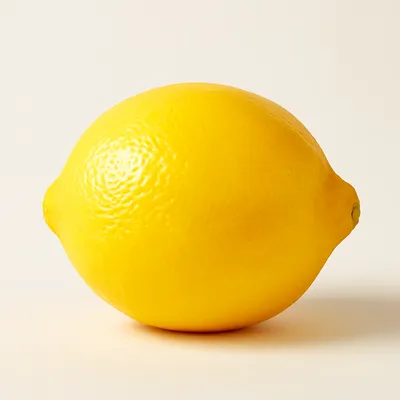
How it's made
6 steps · 25 min
- 110 min
Combine white wine vinegar, finely diced shallots, fresh tarragon, and crushed peppercorns; reduce until nearly dry.
Watch outReduce the vinegar-shallot-tarragon until nearly dry — that concentrated acid and aroma is the backbone; a watery reduction leaves the sauce thin and flat.
- 25 min
Cool slightly, then add egg yolks and a splash of water to the reduction.
- 38 min
Whisk over a pan of barely simmering water until the yolks thicken to a ribbon.
- 415 min
Add warm clarified butter drop by drop, whisking constantly, to build a stable emulsion.
Watch outAdd the warm clarified butter drop by drop, whisking nonstop — pour too fast or too hot and the emulsion breaks into a greasy, split sauce.
- 55 min
Season with salt, lemon juice, and chopped fresh tarragon.
- 65 min
Hold in a warm (not hot) place and serve over grilled steak.


