
A classic French gâteau of two almond-meringue discs — the succès base, close kin to the dacquoise — sandwiched with praline buttercream and finished with toasted sliced almonds and powdered sugar. Crisp-edged, nutty, and buttery, it is one of the foundational meringue-and-cream cakes of the pâtisserie repertoire. The same almond discs and praline cream, varied in shape and decoration, recur across a whole family of French cakes.


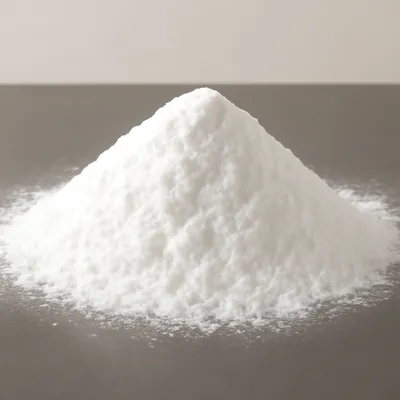
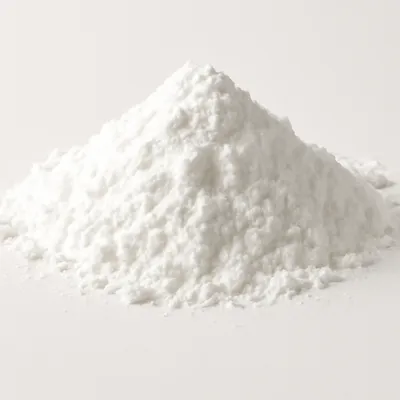
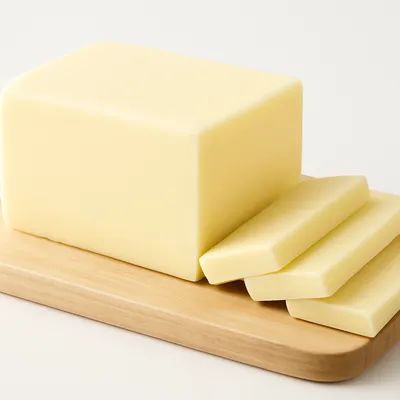
A long-established gâteau of classical French pâtisserie whose precise origin and the source of its confident name — 'succès', meaning 'success' — are not securely documented. It is built on the same baked almond-meringue disc as the dacquoise and the Italian-meringue-based progrès, and it belongs to the nineteenth-and-twentieth-century tradition of layered meringue cakes bound with praline buttercream. Pastry manuals treat the succès, the progrès, and the dacquoise as a closely related set distinguished mainly by meringue method and assembly.
A thin shell that shatters and gives way to a soft, nut-dense interior, the whole thing carried by a smooth praline buttercream that tastes of caramelized almonds and hazelnuts. Sweet and rich, with the toasted almond flakes on top adding a second, drier crunch. Rested in the fridge, the meringue turns tender against the cream; eaten the day it is made, it is crisper and more fragile. It is unapologetically a buttercream cake, balanced only by the roast of the nuts.
The disc rises on a French meringue stiffened with ground almonds and a little starch, baked dry so it stays crisp under the cream. The praline buttercream is the flavor engine: caramelized nuts ground to a paste and beaten into butter, which firms on chilling to hold the layers. As with the dacquoise, a short rest lets cream moisture migrate into the meringue so the cut is clean and tender rather than brittle. Over-whipping warm buttercream or under-drying the discs are the usual faults.
Variations
Coffee buttercream stands in for praline in some versions, and the cake may be edged with toasted almonds all around. The progrès is essentially the same idea on an Italian-meringue base; the marjolaine stacks similar nut-meringue layers with chocolate and praline creams into a long rectangle. Modern pâtissiers plate individual succès as small discs or pipe the cream into neat rounds rather than building one large gâteau.
On the Palate
Where Succès sits in the French flavor cloud
Ingredients
Serves 8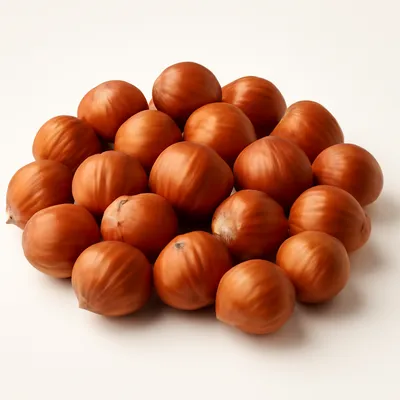
How it's made
7 steps · 50 min
- 15 min
Sift ground almonds with a little powdered sugar and cornstarch.
- 28 min
Whip egg whites with caster sugar to a firm, glossy French meringue.
Watch outWhip the whites to a firm, glossy meringue that holds a stiff peak — underwhipped, the discs spread and bake heavy instead of crisp.
- 37 min
Fold the almond mixture into the meringue and pipe two even discs onto parchment.
- 430 min
Bake low until crisp and pale gold, then cool the discs completely.
Watch outBake low and slow until fully crisp and dry — any soft, chewy center left in will go soggy under the buttercream.
- 58 min
Beat praline paste into softened butter to make a smooth praline buttercream.
- 66 min
Sandwich the two discs with a thick layer of buttercream and coat the top.
- 710 min
Press toasted sliced almonds over the surface, dust with powdered sugar, and chill before slicing.
Archive tool suggestions — not reviewed
These legacy suggestions have not been evidence-reviewed and are not presented as required tools.


