
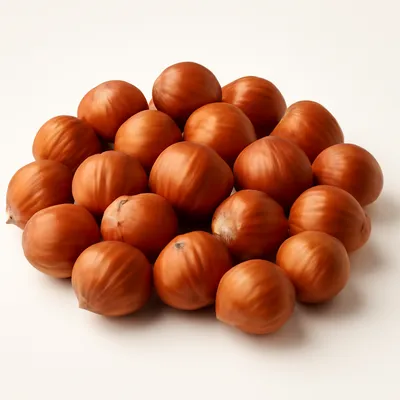
A French dessert built from discs of baked nut meringue — most often almond, hazelnut, or a mix — sandwiched with buttercream or whipped ganache. The meringue itself is also called a dacquoise: ground nuts folded into a French meringue and baked until crisp outside and lightly chewy within. Layered, dusted with powdered sugar, and chilled to let the cream soften the discs, it sits at the foundation of countless French gâteaux as well as standing alone as a cake.



Associated by name with the town of Dax in the Landes region of southwest France — 'dacquoise' meaning 'of Dax' — though the link is traditional rather than firmly documented, and the nut-meringue technique it rests on is far older across French pâtisserie. As a named gâteau it belongs to the classical-to-modern French repertoire; the same almond-meringue base underpins related cakes such as the succès and the marjolaine, and pastry chefs adopted the disc as a sturdy, gluten-free layer that holds buttercream without going soggy.
The shell shatters at first bite, then gives way to an interior that is soft and faintly chewy, dense with the oil and grain of toasted nuts. The buttercream between the discs is smooth and rich, and after a night in the fridge the meringue drinks in just enough moisture to turn tender without losing its bones. It tastes of almonds and browned butter, sweet but anchored, with a fine grit of ground nuts on the tongue.
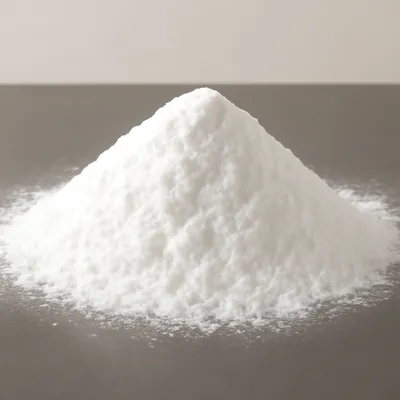
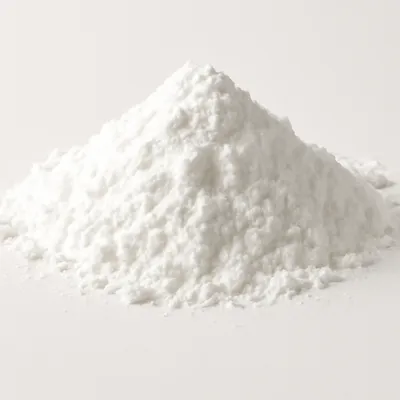
A French meringue gives the lift: egg whites whipped with sugar trap air, and ground nuts plus a little powdered sugar and cornstarch fold in to stiffen the batter and absorb nut oil so the disc bakes crisp instead of weeping fat. Baking dries the outside to a shell while the nut-laden interior stays soft. The deliberate aging step matters — assembled and refrigerated, the buttercream's moisture migrates into the meringue, which is why a fresh dacquoise can be brittle but a rested one slices clean and tender.
Variations
Hazelnut and almond is the classic pairing; pistachio and walnut versions exist, often colored to match. Coffee buttercream is traditional, but praline, chocolate ganache, or mocha all appear. The small oval individual dacquoise, two shells clasping a cream filling and dusted with sugar, is a pâtisserie standard; the same base, built tall, becomes the basis of layered gâteaux like the succès and marjolaine.
On the Palate
Where Dacquoise sits in the French flavor cloud
Ingredients
Serves 8

How it's made
7 steps · 45 min
- 15 min
Sift ground nuts with powdered sugar and a little cornstarch and set aside.
- 28 min
Whip egg whites to soft peaks, adding caster sugar gradually until a firm, glossy meringue forms.
- 35 min
Fold the nut mixture into the meringue gently, keeping as much air as possible.
Watch outFold the nut mixture in gently to keep the air — deflate the meringue here and the disc bakes dense and greasy instead of rising crisp.
- 47 min
Pipe or spread into even discs on parchment and dust the tops with powdered sugar.
- 530 min
Bake in a moderate oven until crisp and pale gold, then cool completely on the tray.
- 610 min
Make a buttercream, sandwich the discs generously, and stack the layers level.
- 75 min
Dust with powdered sugar, chill several hours so the meringue softens, then slice cold.
Watch outChill several hours after assembling before slicing — the buttercream's moisture migrates into the meringue so a fresh-brittle dacquoise turns tender and cuts clean.
Archive tool suggestions — not reviewed
These legacy suggestions have not been evidence-reviewed and are not presented as required tools.


