
Artisanal French marshmallow — a soft, tender aerated confection built from a hot sugar-and-glucose syrup whipped to a glossy foam, set firm, and cut into pillowy cubes dusted in a starch-and-icing-sugar mix. The French style leans on real fruit purée, honey, or flower waters (raspberry, orange-blossom, violet), so it tastes of its flavoring rather than of plain sweetness, and stays fondant and yielding rather than rubbery. It is the polar opposite of the dense, bouncy, corn-syrup-heavy industrial marshmallow.


The name betrays the origin: guimauve is French for the marsh-mallow plant, Althaea officinalis, whose root is roughly a quarter to a third mucilage. In the apothecary-confectioner trade of late-18th and early-19th-century France, that gummy root extract was whipped with sugar and egg white into pâte de guimauve — a confection sold two ways at once: as a soothing pastille for sore throats and coughs in the pharmacy, and as a luxury sweet. The phrase pâte de guimauve is first recorded in 1811. The labour of extracting mallow mucilage was gradually abandoned over the 19th century in favour of gum arabic and then gelatin, which by the late 1800s allowed industrial production; most marshmallow today contains no actual mallow at all, the name a survival. The fruit-and-honey artisanal guimauve is the line that kept the old softness.
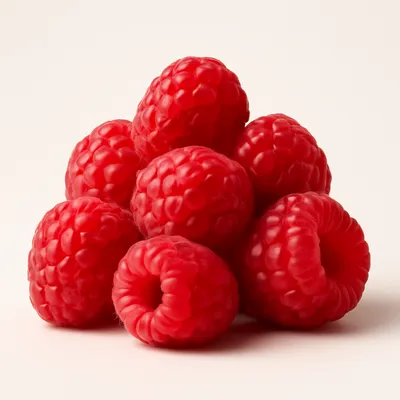
Press a cube and it yields slowly, then springs back halfway — tender, not rubbery, somewhere between a cloud and a set custard. It pulls apart in soft strands rather than snapping. The starch-sugar coat is dry and faintly powdery on the fingertips; inside is cool, melting, and saturated with whatever flavoured it — a raspberry guimauve should taste sharply of fruit, an orange-blossom one should be floral and almost perfumed. A good one dissolves; a poor one chews like an eraser.
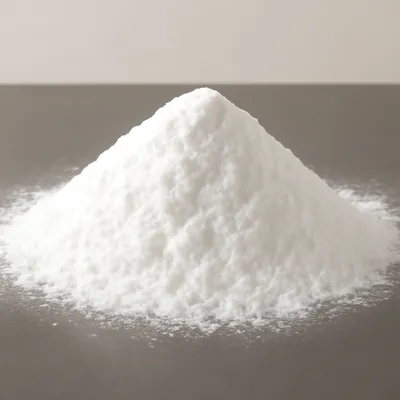
Three things in tension. Sugar syrup cooked to soft-to-firm ball, around 115–120°C, concentrates the sugar enough to set firm yet stay tender. Whipping drives air into a fine, stable foam — the more air, the lighter the texture. A stabiliser locks that foam solid: bloomed gelatin (the common modern route), or stiff Italian-meringue egg white, or agar. Glucose syrup and invert sugar interfere with sucrose crystallising, so the set stays smooth rather than grainy. Finally the starch-and-icing-sugar dusting lowers surface stickiness so the cubes don't weld together. Push the syrup too hot and it sets hard and chewy; too cool and it never firms.
Variations
By flavour: framboise (raspberry) and other fruit-purée guimauves, fleur d'oranger (orange-blossom), violette (violet), vanille, citron, and miel (honey, often without added fruit). By method: a gelatin-set version (more bounce, the modern norm) versus an egg-white Italian-meringue version (lighter, more melting). Cut cubes are the standard, but the paste is also piped into logs or, industrially since the 1948 extrusion patent, formed into the familiar cylinders.
On the Palate
Where Guimauve sits in the French flavor cloud
Ingredients
Serves 20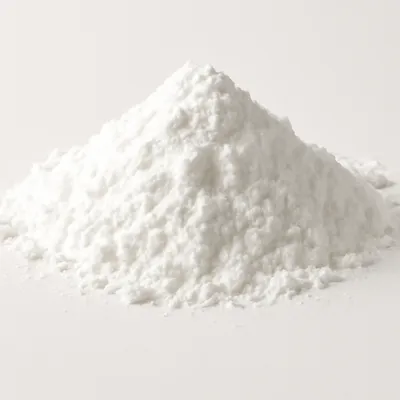
How it's made
6 steps · 40 min active + 3 hours waiting
- 110 min
Bloom gelatin in cold water; warm fruit purée or honey with a little water.
- 215 min
Cook sugar, glucose syrup and water to 115–120°C (soft-firm ball).
Watch outCook the syrup to 115 to 120C — under and the marshmallow won't set firm, over and it turns hard and chewy instead of tender.
- 38 min
Whisk egg whites to soft peaks; stream in the hot syrup and whip to a thick glossy foam.
Watch outWhip until thick and glossy and holding its shape — that trapped air is what makes it light; under-whipped it stays dense.
- 45 min
Whisk in the warm bloomed gelatin and the fruit/honey flavouring; beat until cooled and holding shape.
- 5180 min
Spread into a starch-dusted frame; smooth and dust the top; rest 3–4 hr to set.
- 610 min
Cut into cubes and toss in a starch-and-icing-sugar mix to coat all faces.
Archive tool suggestions — not reviewed
These legacy suggestions have not been evidence-reviewed and are not presented as required tools.


