
Emulsified sauce of cold butter mounted into a reduction of shallot, dry white wine, and white wine vinegar — Loire-Brittany boundary cuisine, served with poached or grilled fish.

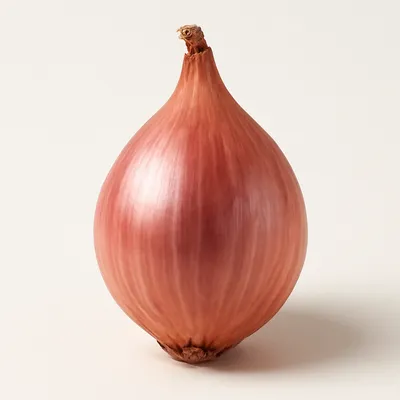
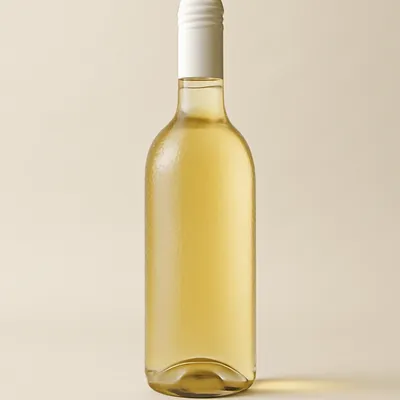



Created circa 1890 in Saint-Julien-de-Concelles near Nantes by Clémence Lefeuvre, a chef at the inn La Buvette de la Marine. She was preparing a béarnaise for shad and forgot the egg yolk; the resulting butter-and-shallot reduction became a regional specialty. Muscadet is the regional white wine and remains the classical choice. The sauce later spread through France via the Loire-Atlantique restaurants and became a French haute-cuisine cornerstone in the mid-20th century.
Lefeuvre's original recipe used Muscadet from the Sèvre-et-Maine appellation and AOP Charentes-Poitou unsalted butter — both still the benchmark. Beurre Nantais is the Pays-Nantais name; beurre blanc is the wider French. The Lefeuvre family ran the buvette until 1968. Bernard Loiseau's 3-star version at Saulieu added cream as a stabilizer — purists disagree.
An ivory cream that pours like loose custard, sharply acidic from shallot and vinegar, mellowed by the absurd fat percentage — about 80% butter by weight. The first taste is wine-bright; the finish is dairy-rich. Spooned over a piece of poached pike, sole, or turbot, it carries the fish but doesn't cover it. A broken beurre blanc — separated, oily — is one of the most recognizable beginner failures in French cooking.
Beurre blanc is a butter-in-water emulsion stabilized by butter's own milk-protein content (~1%) and the shallot pectin. The temperature window is narrow — 55-65°C: hotter and the proteins denature and fat separates; cooler and the butter doesn't melt. That's why you whisk over barely-tremble heat and never reheat. Unlike hollandaise, there is no egg yolk; the emulsion is mechanical and short-lived, which is why the sauce is made à la minute and lasts only 15-20 minutes before breaking.
Variations
Beurre nantais classique uses Muscadet and shallot; beurre rouge swaps in red wine for game and red-fleshed fish; the modern Loire chef move adds a fennel-pollen finish à la Olivier Roellinger.
On the Palate
Where Beurre Blanc sits in the French flavor cloud
Ingredients
Serves 4
How it's made
4 steps · 25 min
- 13 min
Cut 250g cold unsalted butter into 1cm cubes. Keep refrigerated until the moment you whisk it in.
- 28 min
Combine 4 finely minced shallots, 100ml dry Muscadet wine, 50ml white wine vinegar, pinch salt in a small saucepan. Reduce over medium heat until 2 tablespoons of glossy liquid remain — about 8 minutes.
Watch outReduce the wine and shallots until only about two tablespoons of syrupy liquid are left — that concentrated glaze is the whole backbone of the sauce, so don't stop while it's still watery.
- 38 min
Lower heat to barely a tremble — no bubbles. Drop in 2-3 cubes of cold butter and whisk constantly until incorporated. Add another 2-3 cubes; whisk in. Continue until all butter is emulsified — the sauce thickens into a pale ivory cream.
Watch outKeep the heat so low the surface barely trembles and never bubbles — one real boil breaks the emulsion and the butter oils out; whisk in each pat only as the last melts.
- 42 min
Off heat. Optional: strain out shallot for a smooth sauce; or leave them in for the rustic Nantais style. Adjust salt and a squeeze of lemon if needed. Serve within 15 minutes — beurre blanc breaks if reheated.
Watch outYou want a pale ivory cream that coats the whisk — once it's smooth, get it off the heat, and never reheat it or it splits.
Archive tool suggestions — not reviewed
These legacy suggestions have not been evidence-reviewed and are not presented as required tools.

Hand-held wire loop tool for beating eggs, whipping cream, emulsifying dressings, and incorporating air into batters. Balloon whisks (large round head) for whipping cream and meringues; French whisks (narrow tear-drop) for sauces in pots; flat whisks (gravy) for pan sauces. Stainless steel is universal; silicone-coated for non-stick pans.

Round metal pot, 14-26 cm diameter, with vertical walls and a long handle, designed for sauces, soups, oatmeal, rice, boiled vegetables. The vertical walls minimize evaporation (vs. a sauté pan). Sizes: 1 qt for melting butter, 2-3 qt for sauces, 4 qt for soups. Stainless-steel-clad aluminum or copper is best for conduction; cast-iron is too thick for delicate sauces.


