
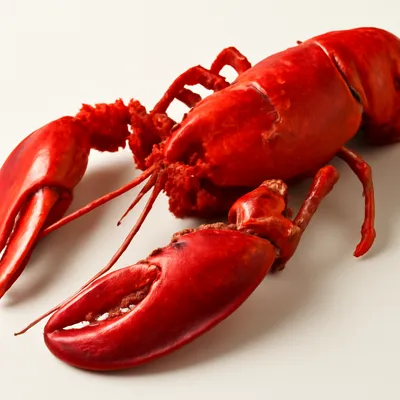
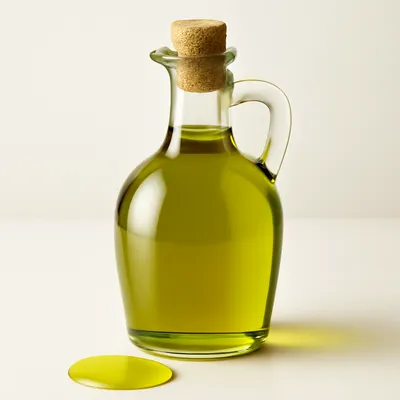

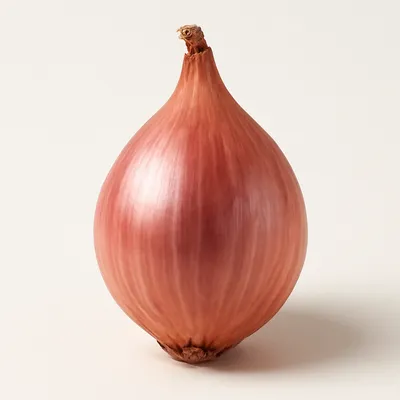


Generally credited to chef Pierre Fraisse, who returned from Chicago to Paris in 1854 and opened his restaurant Chez Peter's; the dish is dated to around 1860 — debate over whether the original name was Armoricaine (after Armorica, the Latin name for Brittany) or Américaine (the chef had worked in Chicago in the United States). Both spellings appear in 19th-century menus and the controversy has never resolved. The dish is anomalous in Breton cooking — it uses olive oil and tomato, both rare in classic Breton cuisine — but Brittany claims it because Atlantic lobster (homard breton) is the canonical species. Auguste Escoffier formalized the recipe in his 1903 Guide Culinaire.
Documented 1854 in Paris by chef Pierre Fraisse — the Armoricaine/Américaine spelling fight has never resolved. Escoffier formalised it in his 1903 Guide Culinaire. The tomalley whisked off-heat into the sauce is what carries the iodine bottom note.
Lobster pieces piled vivid red, half-buried in a glossy ochre sauce flecked with green tarragon. The flesh is sweet, firm, just-cooked — pulled from the shell with a fork it tears in long fibres. The sauce has three layers: tomato-acid up front, butter-cognac in the middle, and a deep iodine-funk from the tomalley at the back. Eat with bread; the sauce is the dish. Tomalley-free version tastes thinner — it's what carries the bottom note.
Tomalley is the lobster's hepatopancreas — a green pâté-textured organ combining liver and pancreas function. It's loaded with flavour compounds (free amino acids, glycerides, oceanic minerals) that water and butter can't replicate. Whisked into the finishing sauce off heat, it acts as both a thickener (proteins denature into fine network) and the flavour spine. Cooking it into the sauce earlier ruins it — the proteins curdle and texture goes grainy. Without the tomalley the sauce is just tomato-cognac fish stew; with it, the dish has its identity.
Variations
Escoffier 1903 codification (cognac, tomato, tarragon); Cancale-style with cider instead of cognac; modern Parisian bistros sometimes drop tomalley and the sauce thins out; Lyon's Bocuse version layers in a crayfish reduction.
On the Palate
Where Homard à l'Armoricaine sits in the French flavor cloud
Ingredients
Serves 4




How it's made
5 steps · 50 min
- 18 min
Kill 2 live 600-700g lobsters humanely (knife through head). Twist off claws, separate tail from body, halve the body lengthwise. Reserve the green tomalley and any coral in a small bowl. Cut tail into 3cm cross-sections (through shell).
- 25 min
Heat 30ml olive oil and 30g butter in a wide skillet over high. Sear lobster pieces shell-side down 3 minutes — shell turns brilliant red, flesh begins to firm. Flip 1 minute. Remove to a plate.
Watch outSear shell-side down on high until the shell flashes brilliant red and the flesh just firms — that's the flavour foundation; don't cook it through here, it finishes in the sauce.
- 34 min
In the same pan, sweat 2 finely chopped shallots, 2 minced garlic cloves, 1 tbsp tomato paste 2 minutes. Pour in 60ml cognac off heat, return to flame to flambé — let alcohol burn off completely.
Watch outTake the pan off the flame before the cognac goes in, then return it to flambé — let the flames die fully so the raw alcohol burns off and only the aroma stays.
- 413 min
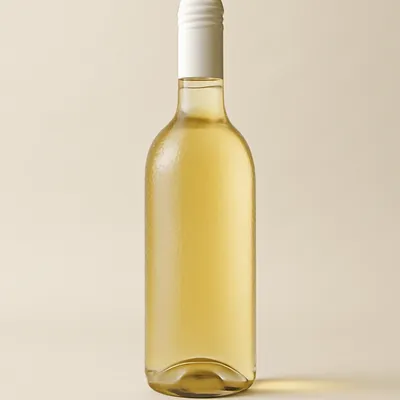
Add 200ml dry white wine, 200ml fish stock, 4 chopped tomatoes (or 200g tinned), bouquet of tarragon stems and parsley, pinch cayenne. Reduce 8 minutes. Return lobster pieces, cover, simmer 5 minutes — meat just cooked through.
Watch outAvoid overcooking the lobster; it should be just cooked through to remain tender.
- 55 min
Lift lobster to a serving dish. Whisk the reserved tomalley and 60g cold butter into the sauce off heat — it thickens and gleams. Strain or leave rustic. Pour over lobster, scatter chopped tarragon. Serve with rice or crusty bread.
Watch outWhisk the tomalley and cold butter in off the heat — it thickens and turns glossy; let it boil and the tomalley curdles grainy.
Archive tool suggestions — not reviewed
These legacy suggestions have not been evidence-reviewed and are not presented as required tools.
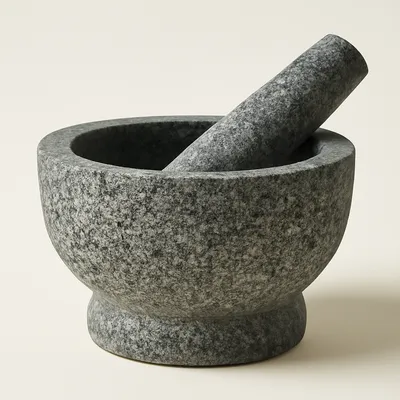
The simplest tool in any kitchen: a heavy bowl and a club to bash things in it. Different cuisines use different stones — Thai cooks pound green papaya in a tall granite mortar (krok hin); pesto Genovese requires the soft-pored Carrara marble; Indian masalas grind down on rough basalt. The bash-don't-cut motion releases volatile oils that a blade keeps sealed in the cell wall.
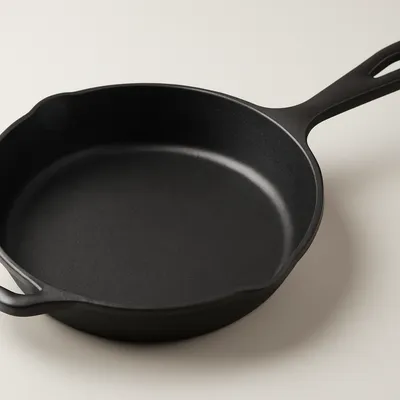
A heavy, single-piece cast iron pan, 25-30 cm across, weighing 1.5-2.5 kg. Once preheated, the thick mass holds 230°C+ even when a cold steak hits the surface — that's the secret to a deep crust. A well-seasoned skillet (multiple thin layers of polymerized oil baked into the iron) is essentially nonstick, gets better with use, and lasts a century. Lodge skillets from Tennessee have been in continuous production since 1896.


