The everyday country sausage of the Savoie: coarsely chopped fresh pork, seasoned with salt, pepper and often a little nutmeg or garlic, stuffed into a natural casing. The classic way to cook them is diots au vin blanc — braised slowly with sliced onions in a dry Savoie white such as Apremont or Roussette until the sausages are tender and the wine has cooked down to a savoury sauce. Smoked versions (diots fumés) also exist. Sold by every charcutier in the region, they are served with crozets, potatoes or polenta and are a fixture of the Alpine winter table.


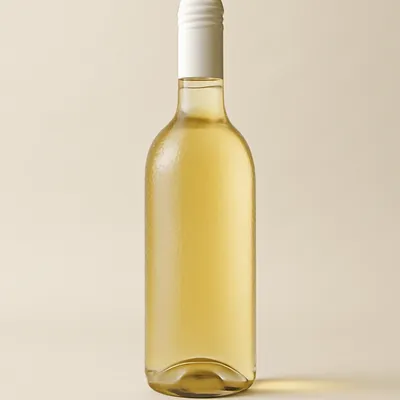


A traditional fresh sausage of the Savoie and Haute-Savoie, made by charcutiers and, in earlier times, by farm households around the winter pig-killing, when slaughtering the family pig and turning much of it into sausage was the way to lay in meat for the cold months. It is a plain, popular preparation rather than a dish with a founding date or named creator, and it carries no AOC or protected status. Braising the sausages in the local dry white wine — Apremont, Chignin or Roussette — with onions is the dish most associated with them, a natural pairing in a region that makes both the sausage and the wine. The etymology of diot is uncertain: it is often linked to the Savoyard dialect word for sausage, but proposed derivations from Sabaudia (the old Latin name for Savoy) or other roots are speculative and debated, so no firm origin for the word can be given.
The sausage is coarse-textured and juicy, the bite distinctly meaty and pork-forward, seasoned simply so the wine sauce does the talking. That sauce is the heart of the plate — onions cooked to softness, the white wine reduced to something savoury and faintly sharp, just enough acidity to keep the fat from cloying. Served over crozets or with a mound of mashed potato or soft polenta to catch the sauce, it is hearty, homely cold-weather food. A smoked diot eats firmer and drier, with a clear woodsmoke note.
These are raw fresh sausages, not cured, so they have to be cooked through, and a slow wine braise does it gently: held just below a simmer, the pork stays juicy as its fat and collagen soften, rather than bursting and drying out the way a hard boil would. The wine works on several fronts — its acidity helps tenderise and brightens the dish, its water carries flavour into the meat, and as it reduces, sugars and meat juices concentrate into the sauce while the alcohol cooks off. The onions break down and sweeten, thickening and rounding the liquid. Pricking or gently poaching the sausages first sets the casing so it does not split as the fat inside warms and expands. In the smoked version, smoke also lays down phenolic compounds that flavour and help preserve the meat.
Variations
Beyond the basic pork diot, charcutiers make versions flavoured with cabbage (diots au chou), leek, fennel or herbs, and a smoked diot fumé alongside the fresh one. The white-wine braise is the classic, but diots are also cooked in red wine, simmered, grilled over embers, or stewed with potatoes and onions in a pot. They are the standard partner to crozets, and turn up with polenta, mashed or boiled potatoes, lentils or sauerkraut. The pormonier, a related Savoyard sausage bulked out with vegetables and offal, is a close country cousin.
On the Palate
Where Diots sits in the French flavor cloud
Ingredients
Serves 4
How it's made
8 steps · 25 min active + 50 min waiting
- 15 min
Peel and thinly slice the onions.
- 28 min
Prick the diots in a few places and, if you like, poach them gently in water for a few minutes to set the casing; drain.
- 310 min
Melt butter in a heavy pan and soften the onions slowly until golden.
- 46 min
Lay the sausages in among the onions and let them colour lightly on all sides.
- 53 min
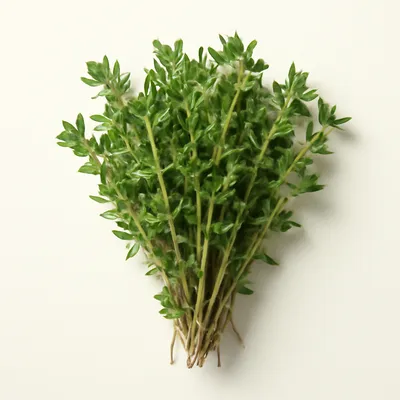
Pour in the dry Savoie white wine, add a bay leaf or sprig of thyme, and bring to a bare simmer.
- 638 min
Cover and braise gently for 30-40 minutes, turning the sausages now and then, until cooked through and tender.
Watch outBraise at a bare tremble, never a hard boil, for 30 to 40 minutes — gentle heat keeps these fresh sausages juicy; boil them hard and the casings burst and dry out.
- 78 min
Uncover and reduce the liquid with the onions to a savoury sauce; season with pepper.
Watch outThen uncover and reduce the wine and onions down to a syrupy, savory sauce — that final concentration is where the flavor lands.
- 83 min
Serve the diots and their sauce over crozets, potatoes or polenta.
Archive tool suggestions — not reviewed
These legacy suggestions have not been evidence-reviewed and are not presented as required tools.