
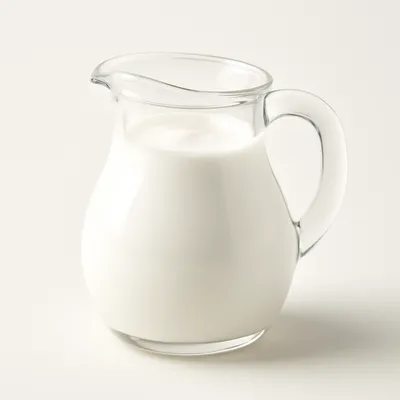
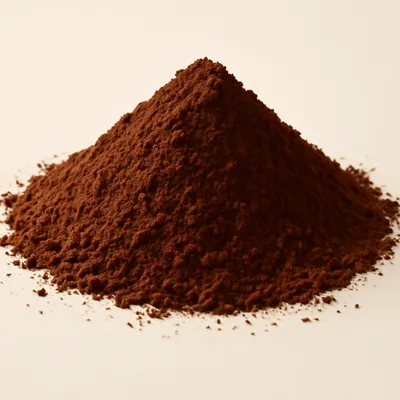
The canonical French chocolate confection: a soft ganache centre of dark chocolate melted into hot cream, sometimes enriched with butter, chilled until firm, then rolled into rough balls and dusted in cocoa powder. The cocoa coating and irregular shape are meant to recall the black Périgord truffle the sweet is named for. It can be left plain, or first enrobed in a thin shell of tempered chocolate before its cocoa dusting. Flavoured versions fold coffee, praline, or spirits such as Grand Marnier into the ganache.


Widely credited to Louis Dufour, a pâtissier in Chambéry in the Savoie, who in December 1895 combined chocolate, cream and cocoa to create the confection — though as with many French sweets the precise inventor is a much-repeated story rather than firmly documented fact. What is solid is that the truffe is a chocolate-and-cream ganache rolled and dusted in cocoa, named for its resemblance to the black truffle. The recipe spread to Britain when a member of the Dufour family carried it to London, where the Prestat shop helped popularise the chocolate truffle in the early 20th century.
A clean snap or a soft give depending on whether it's shelled, then the centre melts almost instantly on the tongue — dense, smooth, deeply chocolatey, with the cocoa dusting adding a dry, faintly bitter edge against the sweet richness. Eaten at room temperature so the ganache is yielding rather than cold and stiff.
The centre is a ganache: an emulsion in which hot cream disperses the cocoa butter and cocoa solids of melted chocolate into a stable, glossy cream. Stir gently from the centre outward so the fat droplets stay finely suspended without breaking; chilling then sets it firm enough to roll. The cocoa-powder coat keeps the sticky surface dry and handleable. For a shell version the chocolate is tempered — worked through a controlled heating and cooling cycle so the cocoa butter sets in its stable beta crystal form, giving a glossy, snapping shell that resists melting on the fingers.
Variations
Plainest and most common is simply rolled in cocoa; dressier versions are enrobed in a thin tempered-chocolate shell and then cocoa-dusted, or rolled in chopped nuts or icing sugar. The ganache itself is endlessly flavoured — coffee, praline, raspberry, or spirits like Grand Marnier, rum or whisky. Richer styles add butter for a meltier centre.
On the Palate
Where Truffe au Chocolat sits in the French flavor cloud
Ingredients
Serves 24How it's made
8 steps · 40 min
- 110 min
Finely chop the dark chocolate and place in a heatproof bowl.
- 25 min
Bring the heavy cream just to a simmer, then pour over the chocolate and let stand one minute.
- 35 min
Stir gently from the centre outward until a smooth, glossy ganache forms; beat in softened butter if using.
Watch outStir gently from the centre outward and watch it pull together into a smooth glossy cream — if it looks grainy or oily it's splitting, so keep stirring tight small circles from the middle to bring it back.
- 4120 min
Cover and chill until firm enough to scoop and hold its shape, about two hours.
Watch outChill only until it's firm enough to scoop and hold a ball — too soft and it won't roll, rock-hard from the fridge and it cracks instead of rounding.
- 515 min
Scoop small portions and quickly roll between cool hands into rough balls.
- 610 min
If making a shell, dip each ball in tempered dark chocolate and let set briefly.
Watch outCoat only in properly tempered chocolate — set right it snaps and stays glossy; skip the temper and the shell turns dull, streaky grey and melts on your fingers.
- 75 min
Roll the balls in cocoa powder to coat fully.
- 81 min
Store chilled but serve at room temperature so the centres are soft.
Archive tool suggestions — not reviewed
These legacy suggestions have not been evidence-reviewed and are not presented as required tools.


