
A petit four of the French chocolatier's repertoire: strips of candied orange peel, half-dipped or fully coated in dark chocolate. The peel is first candied — blanched several times to leach out its bitterness, then simmered in a sugar syrup of rising concentration until it turns translucent and saturated — dried, then dipped in tempered chocolate so it sets with a glossy snap. The point of the sweet is the meeting of two bitternesses: the sweet-bitter candied peel against the bittersweet of a dark couverture. It is a fixture of the boxed assortment and, in Provence, one of the thirteen desserts of the Christmas Eve table.
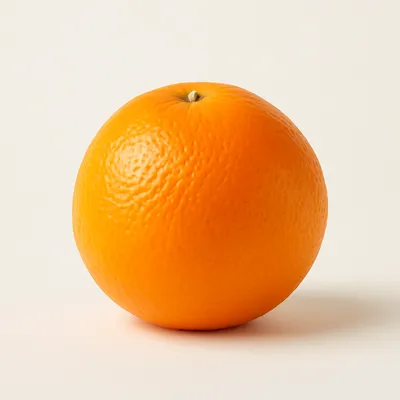


Candied citrus peel is an old Mediterranean method of preserving a precious, seasonal fruit in sugar, taken up by confectioners of Renaissance Italy when the orange was still a luxury of noble tables; the chocolate-dipped strip is a later, modern refinement that became possible only once chocolate work spread through Europe. The orangette as it is eaten today is best understood as a classic of the French confiserie and chocolaterie rather than the invention of one named maker on one dated day: it carries no protected designation and no securely documented first, and the various origin stories attached to it — a 1904 chocolate-and-bergamot 'aiguillette', a 1970s Ardèche village claim — are local accounts rather than firm history. What is not in doubt is its standing as a benchmark of the chocolatier's craft, judged on the clean snap of its coating and the tenderness of the peel within.
It begins with the clean crack of the chocolate shell, then gives way to the chewy, tender, almost translucent peel inside. The flavour runs in two layers: the bright, faintly bitter perfume of orange against the deep, bittersweet roast of dark cocoa, with the candying sugar tying them together. A well-made one is supple, never tough or crystallised; the peel should yield like a soft jelly, not resist like leather. The chocolate is matte-free and glossy, and shatters rather than smears at body heat.
Two pieces of food science meet here. First, candying is osmotic dehydration: the peel is repeatedly blanched in fresh water to leach out naringin and limonin, the two compounds responsible for its bitterness, which dissolve into the hot water while the aromatic oils in the zest mostly stay put; it is then held in syrup whose sugar concentration is raised step by step, so that over many gentle simmers water is drawn out of the peel and replaced by sugar until it is saturated and translucent, preserved and tender. Second, the coating must be tempered chocolate. Cocoa butter is polymorphic — it can set in several crystal forms — and only Form V (β2) gives gloss, a clean snap, and resistance to bloom. The chocolate is taken through a melt-cool-rewarm cycle and held near 31–32°C, the temperature at which the unstable forms melt away but the wanted Form V seed crystals survive; the peel, surface-dry and at room temperature, is dipped so the film sets thin and bright.
Variations
Orange is the classic (orangette); the same treatment is given to grapefruit peel (pamplemousse) and to lemon or citron. The coating may be dark, milk, or — less traditionally — white chocolate, and a candied strip rolled in granulated sugar instead of chocolate is sold simply as orangette confite. Some makers add a little candied ginger to the box, or perfume the chocolate with spice. The closely related aiguillette is the same idea cut to a finer, needle-thin strip.
On the Palate
Where Orangette sits in the French flavor cloud
Ingredients
Serves 8How it's made
8 steps · 1 hour 20 min
- 115 min
Score and peel oranges into wide strips, then cut the peel into even matchstick lengths.
- 220 min
Blanch the peel in boiling water, drain, and repeat three to four times in fresh water to draw out the bitterness.
Watch outBlanch the peel three to four times in fresh water — each change leaches out the bitter compounds; skimp and the finished orangette stays harsh.
- 360 min
Simmer the blanched peel gently in a sugar syrup, raising the sugar concentration in stages over an hour, until the strips turn translucent.
Watch outRaise the syrup's sugar in stages until the strips turn translucent — rush the sugar up too fast and the peel toughens instead of turning tender and glassy.
- 4720 min
Lift the candied peel onto a rack and leave to dry until tacky but no longer wet, ideally overnight.
- 515 min
Temper the dark chocolate, holding it at about 31 to 32°C so it sets glossy with a snap.
Watch outHold the chocolate at 31–32 degrees so it sets with a glossy snap — off-temper and the coating dries dull and streaky.
- 610 min
Dip each strip halfway (or coat fully) in the tempered chocolate and lift out, letting the excess drip.
- 730 min
Lay the dipped strips on parchment or a wire rack and leave to set in a cool room.
- 82 min
Once firm, store airtight away from heat and humidity.
Archive tool suggestions — not reviewed
These legacy suggestions have not been evidence-reviewed and are not presented as required tools.



