Pasta alla norcina is Umbria's richest primo: short ridged pasta tossed in a sauce of fresh Norcia pork sausage—skinned, crumbled, and browned—deglazed with white wine, finished in cream and grated black truffle, and rounded with aged pecorino. The name belongs to Norcia, the Apennine mountain town whose pork butchers (norcini) gave the Italian language a word—norcineria—that now names any pork-curing shop across the country.
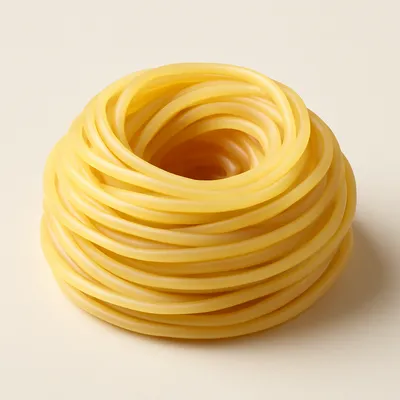
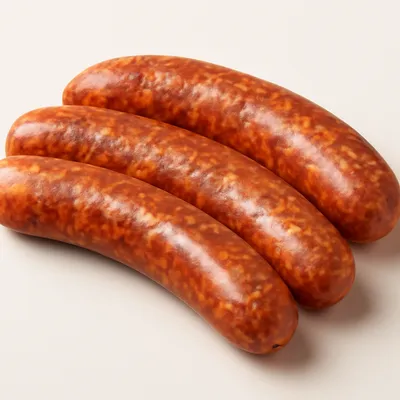
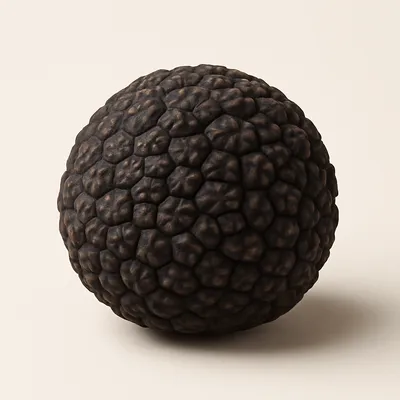

The dish draws its identity from Norcia, a mountain town in southeastern Umbria whose pork butchers (norcini) were so celebrated for salting and curing that by the late medieval and early modern periods they travelled seasonally to Rome and northern Italian cities to ply their craft. By the early modern period, norcineria had entered the Italian language as the generic term for any pork-butchery shop or the art of salting pork—testimony to the town's singular authority. The pasta alla norcina as codified today—crumbled Norcia sausage, cream, and shaved black truffle over short pasta—represents a 20th-century standardisation of a kitchen tradition. An older, leaner interpretation of the same name pairs the sausage with pounded black truffle, anchovy, and garlic and no cream, reflecting the mountain larder of an earlier era before cream became widely available.
Short ridged pasta grips a silky, cream-bound sauce; crumbled sausage delivers savory pork depth in every forkful, while shaved black truffle releases an earthy, faintly garlicky perfume that lingers on the palate long after swallowing.
Browning crumbled sausage over medium-high heat triggers Maillard reactions above 140 °C, generating pyrazines, furans, and aldehydes that form the sauce's aromatic backbone. Deglazing with white wine dissolves the fond and adds tartaric and malic acids that brighten the richness. Cream (fat ~35%) emulsifies with the rendered sausage fat and pan juices when kept at a steady gentle simmer of ~85–90 °C; higher heat breaks the emulsion and causes greasy separation. Black truffle owes its penetrating scent primarily to fat-soluble volatile sulfur compounds—notably bis-methylthiomethane—that bloom in the warm cream and intensify briefly on standing. Finishing with starchy pasta water (gelatinised starch from cooking) adjusts viscosity and helps the emulsified sauce cling evenly to every ridge of the pasta.
Variations
A leaner older version omits cream and uses pounded black truffle, anchovy, and garlic as the sauce base. Some cooks add sliced white mushrooms alongside the sausage. Pasta shapes vary widely: rigatoni, penne, tortiglioni, and strangozzi are all traditional; Norcia itself favours fresh strangozzi or umbricelli. A vegetarian variant uses black truffle, olive oil, garlic, and pecorino with no meat.
On the Palate
Where Pasta alla norcina sits in the Italian flavor cloud
Ingredients
Serves 4

How it's made
8 steps · 10 min
- 15 min
Remove sausage from its casing and crumble into rough, uneven chunks. Bring a large pot of well-salted water to a boil.
- 24 min
Warm olive oil in a wide skillet over medium heat; add finely diced onion and soften 3–4 minutes until fully translucent.
- 36 min
Increase heat to medium-high, add crumbled sausage, and break it up with a wooden spoon; cook 5–6 minutes until well browned and the fat has rendered.
Watch outBrown the crumbled sausage properly until the fat renders — those seared bits are the sauce's whole backbone; pale sausage gives a flat sauce.
- 42 min
Pour in white wine; let it bubble vigorously for 2 minutes, scraping up all the browned fond from the pan, until almost entirely evaporated.
- 55 min
Reduce heat to medium-low; add cream and stir well to combine. Simmer gently 4–5 minutes until the sauce thickens slightly and coats a spoon. Season generously with freshly cracked black pepper.
Watch outKeep the cream at a bare gentle simmer — let it boil and the sauce breaks into greasy separation.
- 69 min
Cook pasta in the boiling water until just under al dente (1 minute less than package instructions). Reserve a large ladleful of pasta water.
- 73 min
Drain pasta and transfer to the skillet; toss over low heat, adding pasta water a splash at a time, until the sauce is glossy and coats every piece.
- 82 min
Remove from heat; grate in half the truffle and all the pecorino, toss briskly, then shave remaining truffle over each plate and serve immediately.
Watch outGrate the truffle in off the heat at the very end — its scent is fragile and cooking it away wastes it.


