Gnocchi di susine are Trieste's sweet potato-dough dumplings, each one moulded around a whole pitted plum with a sugar cube tucked into the cavity. They are boiled until they float, then rolled while hot in breadcrumbs toasted golden in butter and finished with sugar and cinnamon. The result is eaten as a sweet main course or a dessert, the plum collapsing into a tart, syrupy centre against the soft potato shell. The dish is a direct descendant of the Central European Knödel, sharing a recipe with the Austrian and Bohemian Zwetschgenknödel and the Slovenian and Croatian knedle that converge on the Trieste table. It is one of the clearest signs of the city's Mitteleuropean heritage, a piece of Vienna and Bohemia served on an Adriatic plate.



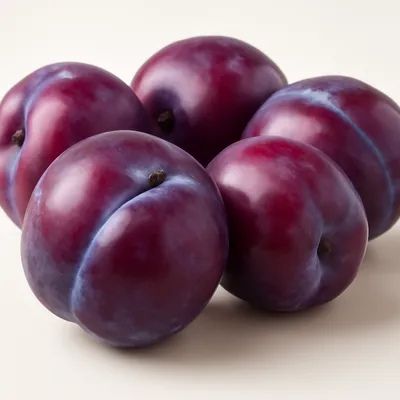


Plum dumplings are documented as a dish of the Austro-Hungarian Empire, spreading across its Slavic and German-speaking lands under a family of cognate names — the Hungarian szilvásgombóc, the German Zwetschgenknödel, the South Slavic knedle, all built on Knödel, the German word for dumpling. Trieste inherited the dish through its long centuries as the Habsburg Monarchy's principal seaport: declared a free port in 1719 under Emperor Charles VI and Austria-Hungary's great commercial gateway until it passed to Italy in 1918-1920, the city sat where Latin, Slavic and Germanic worlds met. Triestine cuisine accordingly blends Mediterranean and Mitteleuropean cooking, and gnocchi di susine is one of its emblematic sweets, the local form of a recipe also claimed by Slovenia, Croatia, Austria and Bohemia. No single inventor or founding date survives; it is a shared folk dish of the old empire, adapted in Trieste with the Italian potato gnocchi dough. Italian cooks fix its season to late summer, when prune plums (susine, the small oval damaschine or Italian prune plum) ripen.
A finished dumpling is pale and soft, its breadcrumb coat crisp and buttery, faintly sweet with cinnamon. Bitten open, the potato shell gives way at once and the plum bursts — its juices have stewed inside the dough into a hot, jammy pool, the sugar cube melted away, the skin tart against the sweetness of the crumbs. The contrast is the whole point: a near-savoury, pillowy starch wrap holding a sharp, syrupy fruit core, with the toasted crumbs adding crunch and a nutty warmth. Served fresh and hot; left to stand, the shell turns gummy and the crumb coat goes soft.
The dish works by cooking three things at once in one envelope. The potato dough is a gelatinised-starch matrix: boiled potato is riced and bound with flour and egg, kept barely worked so the gluten stays slack and the gnocco stays tender rather than rubbery — over-kneading or wet potato forces in more flour and toughens it. Sealed inside, the plum is effectively steamed in its own juice; the heat ruptures its cells, its pectin and sugars dissolve, and the tucked-in sugar cube draws water out by osmosis to build the syrupy centre while balancing the skin's malic acid. The breadcrumb coat is the textural and flavour finish: bread toasted in butter undergoes the Maillard reaction and the butter's milk solids brown, giving the nutty, caramel notes and a crisp shell that clings to the hot, slightly sticky dumpling. Boiling is gentle and brief — the dumplings are done moments after they float, and a hard boil would split the dough and spill the plum.
Variations
The dough divides the recipe: the Triestine and Italian form uses potato gnocchi dough, while many Central European cooks build the same dumpling on a quark (curd-cheese) or choux dough, which sets softer. The fruit is classically the prune plum, but apricots (Marillenknödel), strawberries, cherries or even a single dried prune appear in season. Some cooks slip butter or a clove into the cavity beside or instead of the sugar; the breadcrumb finish ranges from plain to laced with ground walnuts or poppy seed, a Bohemian touch. Across the old empire the dish runs unbroken — Slovenian and Croatian knedle, Austrian and Bohemian Knödel, Hungarian gombóc — each a near-twin of the Trieste plate.
On the Palate
Where Gnocchi di Susine sits in the Italian flavor cloud
Ingredients
Serves 4

How it's made
8 steps · 1 hour 15 min
- 130 min
Boil the potatoes whole in their skins until tender, drain, peel while hot, and rice or mash them, then spread out to dry off and cool.
- 215 min
Wash the plums, slit each one and remove the stone without breaking it in two, then push a sugar cube into the cavity.
- 310 min
Work the cooled potato with flour, egg and a pinch of salt into a soft, just-cohesive dough, handling it as little as possible.
Watch outWork the potato with flour and egg as little as possible into a just-cohesive dough — over-kneading or wet potato forces in more flour and turns the gnocchi rubbery instead of tender.
- 415 min
Take a piece of dough, flatten it in the palm, set a plum in the centre and wrap the dough fully around it, sealing the seam into a smooth ball.
Watch outWrap the dough fully around each plum and seal the seam smooth — any gap and the plum's syrupy juice leaks out into the water as it boils.
- 58 min
Toast the breadcrumbs in plenty of butter over medium heat, stirring, until evenly golden and nutty, then stir in a little sugar.
- 68 min
Bring a wide pot of lightly salted water to a gentle boil and lower in the dumplings in batches; cook until they rise and float, then a moment more.
Watch outLower them in gently and cook until they rise and float, then just a moment more — floating is the signal they're cooked through.
- 73 min
Lift the dumplings out with a slotted spoon, draining well, and roll them at once in the buttered breadcrumbs to coat.
- 81 min
Dust with sugar and cinnamon and serve hot.
Archive tool suggestions — not reviewed
These legacy suggestions have not been evidence-reviewed and are not presented as required tools.