Hand-formed potato dumplings from the Occitan valleys of Val Varaita, shaped into delicate spindles by rolling the dough between the palms—a gesture called raviulè from which they take their name. Fresh Tomino di Melle cheese is blended into the hot potato base, giving each dumpling a silky, yielding interior. Dressed with browned butter and sage, they are the Sunday soul of the Cuneo mountain kitchen.





The Ravioles della Val Varaita are the Sunday 'poor dish' of the Occitan-speaking farming communities of the Val Varaita valley, extending from Costigliole Saluzzo to the high commune of Bellino in Cuneo province. Their history is oral and immemorial, recorded in local brochures and recipe booklets of the Occitan valleys. The defining ingredient, the Toumin dal Mel (Tomino di Melle), was first produced around 1895 by two women of the valley, its soft, mild fresh paste becoming inseparable from the ravioles recipe; a protection consortium was established for it in 2007. After decades surviving only in remote mountain hamlets, the dish was rediscovered and celebrated across Piedmont, confirmed as an official Traditional Agri-food Product (PAT) of Italy. A dedicated Sagra delle Ravioles has been held every June in Verzuolo, near Saluzzo, since 2012.
The spindles arrive glistening in golden browned butter, tips lightly set and center pillowy-soft; each bite releases warm, milky cheese with the herbal trace of fried sage lingering at the finish.
Boiling the potatoes whole with skins on limits starch leaching into the cooking water; ricing them while hot ruptures the cells and releases gelatinized starch into a cohesive, workable mass. Crumbled Tomino di Melle—a high-moisture fresh cheese with low firmness—melts into the hot potato base: its proteins disperse and its butterfat coats the starch granules, making the dough more pliable and the finished dumplings more tender and creamier than plain potato gnocchi. Flour provides gluten structure and the egg yolk supplies lecithin as a secondary emulsifier, binding the network. The spindle shape—widest at the center—ensures even cooking: the thickest point is done just as the tapered ends firm up. Brown butter (beurre noisette) forms at 150–160 ℃ as milk proteins and lactose undergo simultaneous Maillard browning and caramelization, generating nutty pyrazine and furanone aroma compounds that contrast with the mild, milky dumplings.
Variations
Some households dry-age and grate the Tomino di Melle rather than crumbling it fresh, producing a more pungent dough. A richer dressing of butter and cream (panna e burro) is also common, sometimes with grated Raschera cheese. Across neighboring Occitan valleys of Cuneo province—Maira, Po—the same dumplings appear under different names, occasionally with nutmeg added. Contemporary restaurant versions finish with shaved white truffle or diced pancetta in the butter.
On the Palate
Where Ravioles della Val Varaita sits in the Italian flavor cloud
Ingredients
Serves 4
How it's made
8 steps · 45 min active + 30 min waiting
- 135 min
Scrub 1 kg of floury potatoes and boil them whole with skins on in salted water until a skewer meets no resistance, about 30–35 minutes.
- 25 min
Peel the potatoes while still hot, then rice or pass them through a food mill onto a clean work surface.
Watch outRice the potatoes while piping hot — cooled potato turns sticky and gluey, and the dough will need too much flour and toughen.
- 35 min
Immediately work 200 g of crumbled fresh Tomino di Melle into the hot potato, then add one egg, two pinches of salt and a grating of nutmeg.
- 45 min
Add flour gradually—starting with 150 g and increasing as needed—kneading gently until the dough is smooth and just firm enough to hold its shape without sticking.
Watch outAdd flour a little at a time and stop the moment it just holds shape — over-flouring or over-kneading gives tough, heavy spindles.
- 515 min
Pinch off walnut-sized pieces of dough and roll each between your palms on the board with a forward-and-back motion, tapering both ends to form 4–5 cm spindles about 1 cm across at the centre.
- 65 min
Cook in batches in a large pot of boiling salted water; lift the ravioles out with a slotted spoon 30–40 seconds after they float to the surface.
- 73 min
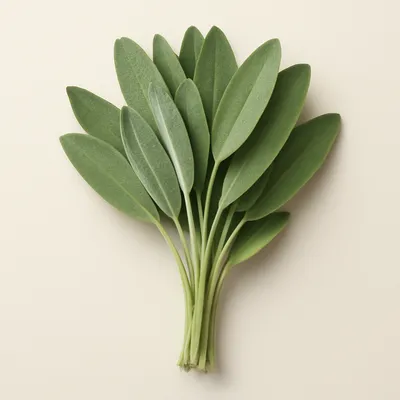
Meanwhile, melt 80 g of butter in a wide pan over medium heat, swirling until it turns golden brown and smells nutty; add 8 sage leaves and fry briefly until crisp.
Watch outSwirl the butter until it's golden-brown and smells nutty, then stop — a shade further and it scorches bitter and black.
- 82 min
Transfer the drained ravioles to the browned butter, toss gently to coat, and serve at once.
Archive tool suggestions — not reviewed
These legacy suggestions have not been evidence-reviewed and are not presented as required tools.


