The great red risotto of the Langhe: Carnaroli rice slowly drawn violet with a full bottle of Barolo DOCG and rich beef broth, finished with a classic Piedmontese mantecatura of cold butter and aged cheese.




Risotto al Barolo emerged as a showpiece of Langhe restaurant culture in the mid-to-late 20th century, associated above all with the trattorie of La Morra and the village of Barolo, where lavish use of the appellation's wine in cooking was a statement of terroir identity. Restaurateur Gian Bovio at the Belvedere di La Morra did much to popularise and codify the preparation from the 1970s onward. The dish also draws on a deeper local tradition: Count Camillo Cavour, who managed estates at Grinzane Cavour and championed Piedmontese viticulture in the Risorgimento era, reportedly served Barolo risotto at political dinners in Turin, lending the dish associations with the unification movement.
A deep garnet-violet risotto, flowing and wave-like (all'onda), each Carnaroli grain firm at the core beneath a creamy, wine-infused surface; Barolo's tannins leave a long, quietly astringent finish that calls insistently for the next forkful.
Toasting dry Carnaroli grains in butter at high heat denatures surface starch granules, forming a protective layer that slows subsequent water absorption and preserves the al-dente core. Carnaroli's relatively high amylose content (around 28 %) releases starch gradually into the cooking liquid, building a creamy suspension without overcooking the grain interior. Barolo's anthocyanins (derived from Nebbiolo's dense polyphenol content) produce the dramatic violet colour; its tannins bind salivary proteins, intensifying the dry finish. Mantecatura — vigorous stirring of cold butter cubes off the heat — creates a transient oil-in-water emulsion that coats every grain in a silky, cohesive sauce.
Variations
Finished with Castelmagno DOP (a pungent aged mountain cheese from Cuneo) instead of Parmigiano for a bolder result. Some versions sauté a small amount of diced beef marrow with the shallot. Langhe Nebbiolo DOC occasionally substitutes for a full bottle of Barolo in more economical preparations. A few cooks add a knob of butter and a glass of Barolo off the heat just before serving for extra depth.
On the Palate
Where Risotto al Barolo sits in the Italian flavor cloud
Ingredients
Serves 4How it's made
7 steps · 20 min
- 15 min
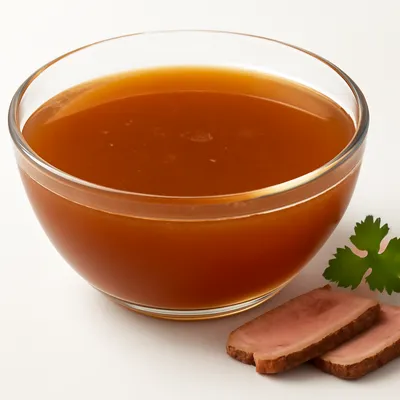
Bring the beef broth to a steady simmer in a separate saucepan and keep it warm throughout; never add cold broth to the risotto or it will interrupt the starch emulsification.
- 27 min
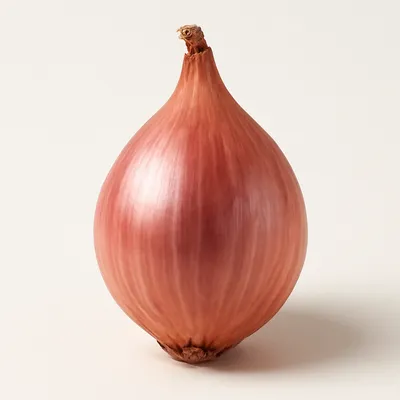
In a wide, heavy saucepan, gently sweat the finely diced shallot in a knob of butter over low heat for about 6 minutes until completely softened and translucent.
- 33 min
Add the Carnaroli rice and raise heat to medium-high; toast the grains, stirring constantly, for 2–3 minutes until the edges turn translucent and a faint nutty aroma develops.
Watch outToast the rice until the edges go glassy and it smells faintly nutty — this seals the starch so the grain stays al dente.
- 48 min
Pour in half the Barolo (about 375 ml); stir vigorously as it hisses and absorbs; once nearly absorbed, add the remaining Barolo and stir until it is absorbed too — the rice will turn a deep violet.
- 518 min
Begin adding warm broth one ladle at a time, stirring continuously and waiting for each addition to be nearly absorbed before adding the next; continue for 16–18 minutes until the rice is al dente and the risotto flows in gentle waves.
Watch outAdd broth one ladle at a time, never cold — cold liquid stalls the starch release and the risotto turns grainy instead of creamy.
- 63 min
Remove from heat; add the cold butter cut into small cubes and grated Parmigiano-Reggiano; stir vigorously in wide circular motions for 2 minutes (mantecatura) to emulsify into a creamy, cohesive sauce.
Watch outBeat in the cold butter off the heat until it flows in waves — this mantecatura is what makes it glossy and creamy.
- 72 min
Cover and rest for 1 minute; serve immediately in warmed shallow bowls with a few grinds of black pepper.


