
Bari's notorious "assassin's" spaghetti, cooked raw straight in a screaming-hot iron pan instead of a pot of water. A thin tomato-and-chili broth is ladled in a little at a time and let evaporate, so the strands catch and char against the metal, building a crisp, burnt-edged crust threaded with peperoncino heat. The result is sticky, smoky, and aggressively spicy, served with the bottom layer of pasta deliberately scorched. It belongs to Bari and is treated there as a point of civic pride.





A modern Bari invention. The most cited account, set down by Apulian food historian Felice Giovine, places its birth at the restaurant Al Sorso Preferito in central Bari, where in 1967 the Foggia-born cook Enzo Francavilla improvised it for two diners from the north who wanted something hearty and fiery; the dish was so blistering that they joked the chef was an assassino, and the name stuck. Some retellings push the origin into the early 1960s, so the exact year is not firmly fixed. The dish stayed a local Bari specialty for decades before a home cooks' following, the Accademia dell'Assassina, helped spread it nationally in the 2010s.
Loud and uncompromising. The strands are sticky and chewy where the broth soaked in, brittle and blackened where they met the pan; you want both in one forkful. Tomato reads concentrated and faintly bitter from the char, and the chili builds to a real burn rather than a polite warmth. There is a smell of toasted, almost-scorched pasta that signals it was done right.
The pan, not the pot, does the cooking. A wide iron or carbon-steel pan is heated until a smear of tomato hisses, the dry spaghetti is laid in, and a watery tomato-chili broth is added by the ladle, never enough to submerge. As each addition cooks off, the surface sugars and starch on the pasta hit the hot metal and caramelize, then lightly carbonize, which is where the crust and bitter-smoky note come from. The strands must be left undisturbed long enough to catch, then turned, so successive faces scorch; constant stirring would steam them soft and defeat the dish.
Variations
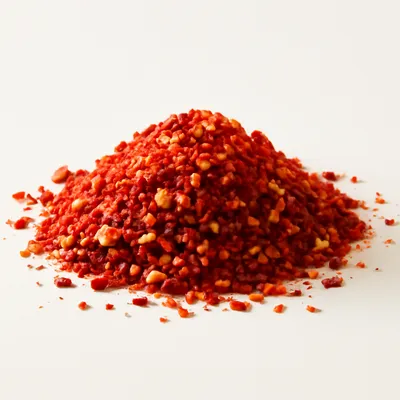
Most cooks build the broth from tomato passata loosened with water and a heavy hand of fresh and dried peperoncino; some start by toasting a little tomato paste in the pan for deeper color. Seafood versions swap in a touch of cuttlefish or its ink in coastal kitchens, and milder cooks ease the chili, though purists consider the searing heat non-negotiable.
On the Palate
Where Spaghetti all'Assassina sits in the Italian flavor cloud
Ingredients
Serves 2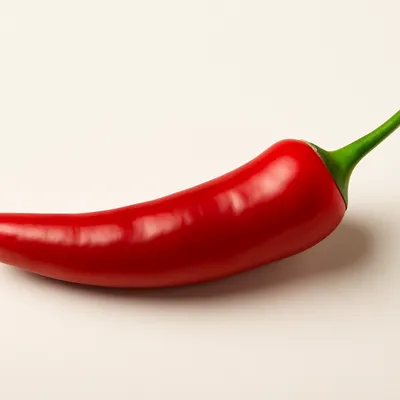
How it's made
6 steps · 35 min active + 5 min waiting
- 16 min
Loosen tomato passata with an equal volume of water, season with salt, and stir in plenty of chopped fresh and dried peperoncino to make a thin, fiery broth; keep it warm.
- 23 min
Heat a wide iron or carbon-steel pan over high heat with a film of olive oil until a drop of the broth sizzles violently.
- 32 min
Lay the dry spaghetti flat into the pan and pour in a first ladle of broth, just enough to begin softening; do not stir.
Watch outLay the dry spaghetti in and do not stir — let it sit undisturbed so the underside catches and chars against the hot pan.
- 44 min
Let it cook undisturbed until the underside catches and browns, then turn the strands and add another ladle of broth.
- 518 min
Repeat, ladle by ladle, turning at intervals, so the pasta cooks through and successive faces scorch against the pan, about 15 to 20 minutes.
Watch outAdd the broth one ladle at a time, never enough to submerge — if it swims, it steams soft; the near-dry pan is what caramelizes and lightly chars the strands.
- 62 min
Finish when the spaghetti is al dente, sticky, and visibly charred at the edges, with a crisp scorched layer at the bottom; plate at once.
Archive tool suggestions — not reviewed
These legacy suggestions have not been evidence-reviewed and are not presented as required tools.


